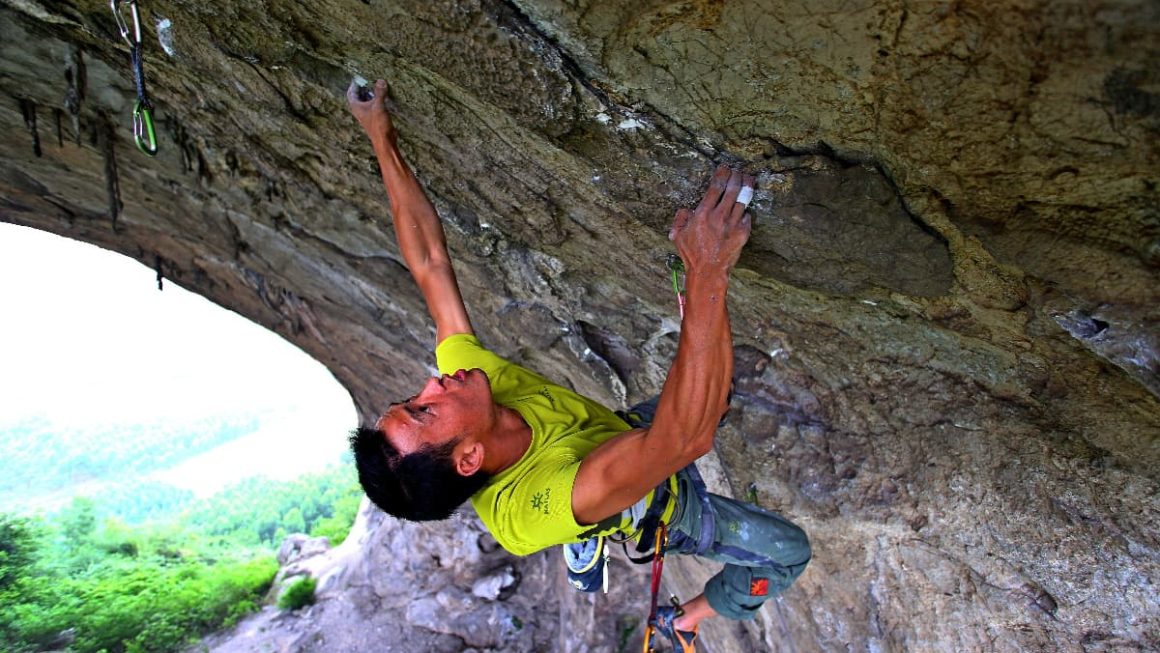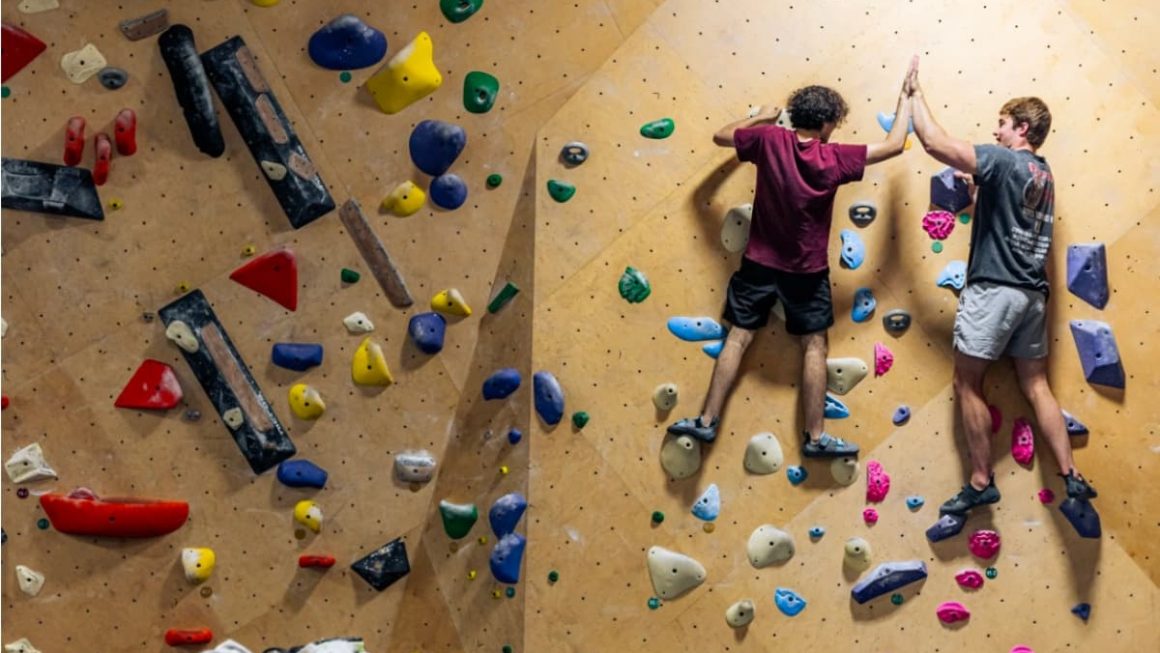
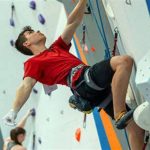
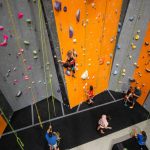
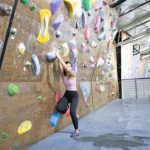
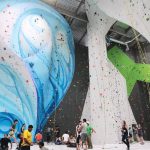

The opening month of climbing is a crucible. Body awareness collides with frustration management, primal joy wrestles with self-doubt—and most people either emerge hooked or retreat muttering about insufficient upper body strength. Here’s the truth: it’s never been about arm strength.
Whether you’re chasing fear conquest, physical transformation, genuine community, or simply something that doesn’t bore you, this is your roadmap through the physical, mental, and technical evolution from complete novice to someone who actually knows what they’re doing.
Week 1: The Beautiful Disaster
Everything feels impossible. Your forearms will betray you spectacularly. You’ll fall repeatedly—and this is exactly correct.
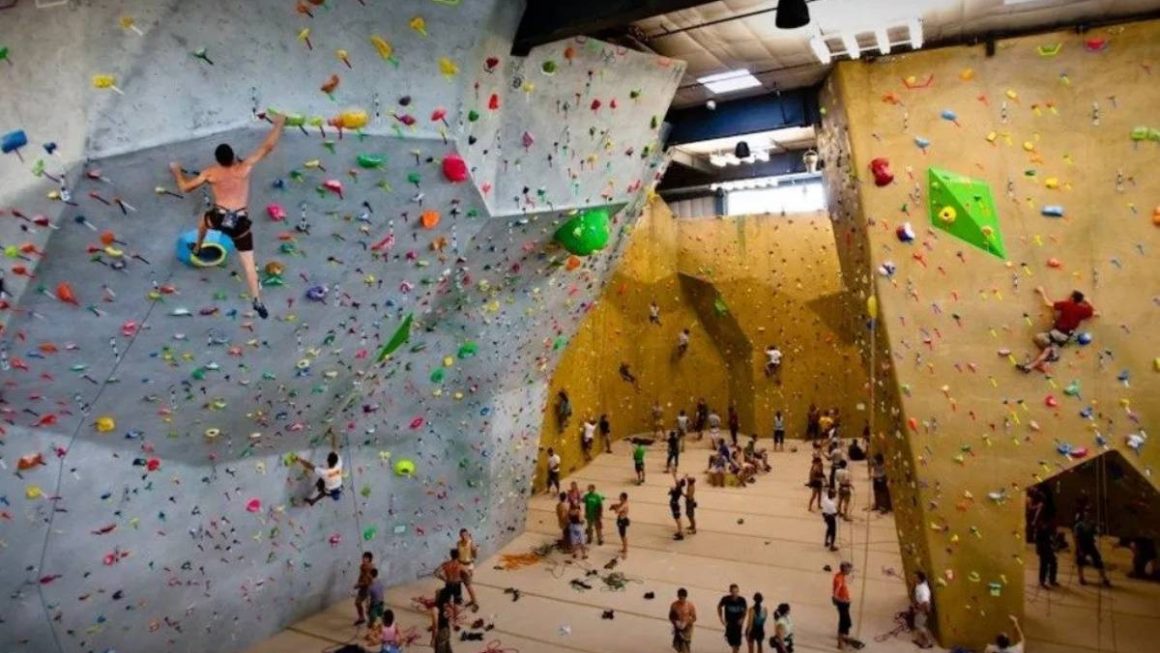
Start with reconnaissance: tour the facility, understand the fundamental divide between bouldering (short, powerful, pad-protected) and rope climbing (taller, harnessed, partnered). Try both if available. Rent shoes, learn to fall safely, watch others climb—this sport runs on observation and mimicry. Attempt V0 boulder problems or 5.5-5.7 top-rope routes. They’re designed to feel accessible. They won’t. Not yet.
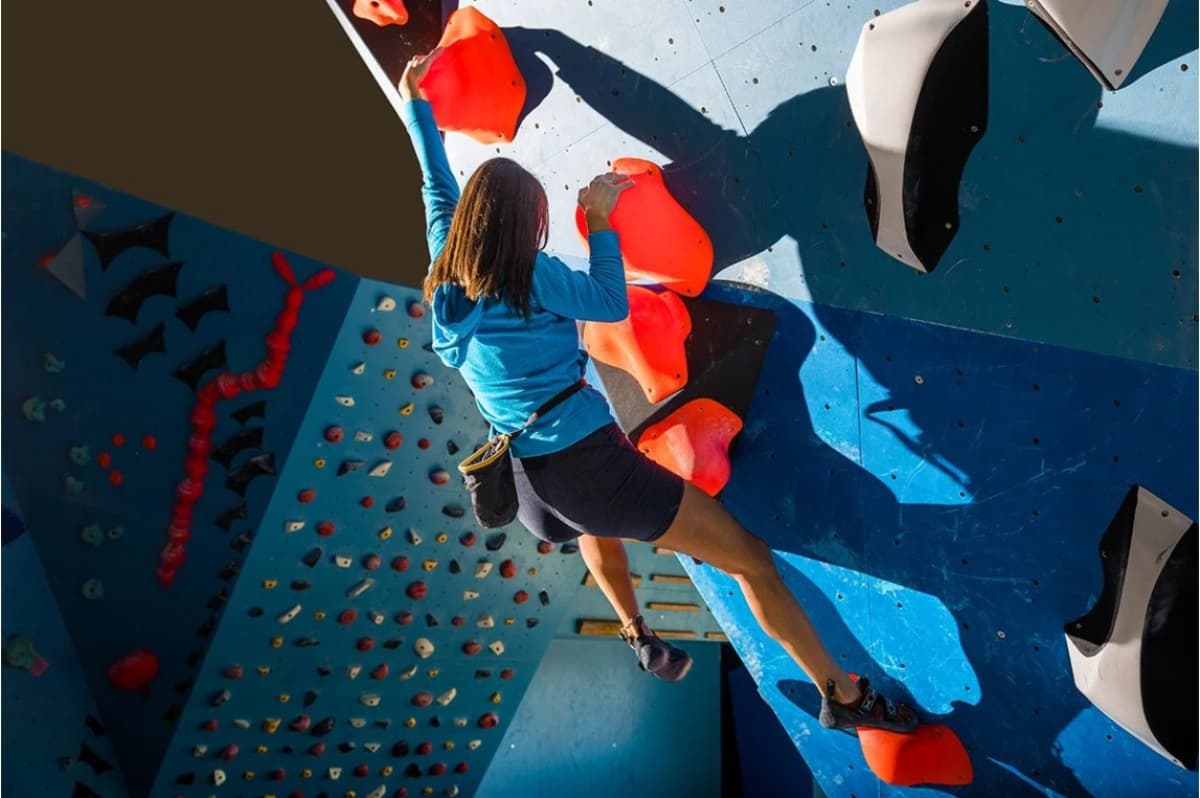
The critical insight: death-gripping every hold is rookie error. Climbing rewards efficiency over brute force—legs, hips, strategic thinking. You’re not here to dominate the wall; you’re learning to read it, respond to it, cooperate with its geometry.
Week 2: Patterns Emerge
Muscle soreness settles into weird places. Movements feel slightly less alien. You start recognizing hold types—jug, crimp, sloper—and your ego remains on the mat where you left it last Tuesday.
Now build foundations: quiet footwork, precise placements, hip rotation, straighter arms. Absorb the vocabulary—beta, send, flash, pump, barn door. Experiment with slabs and slight overhangs. Fall with intention and style. Consider a beginner technique class; group instruction accelerates both skill and social connection.
Resist the urge to climb until failure every session. Burnout kills momentum. Five to eight thoughtful attempts trump twenty desperate flails. Your competition isn’t the person on the neighboring wall; it’s your previous self.
Week 3: The Shift
Grip strength finally arrives. Confidence begins displacing confusion. You catch yourself discussing climbing at brunch, structuring your week around gym sessions. The obsession takes root.
Identify weaknesses now: overgripping, balance struggles, dynamic movement avoidance. Attempt problems one grade above comfort—failure becomes fun rather than threat. Request beta from setters. Track progress casually through apps or notebooks.
This is also community integration week. Conversations start naturally—route opinions, movement observations, shared struggle. The social barrier dissolves. If commitment feels solid, invest in personal gear: entry-level shoes, chalk bag, brush. Your feet—and nose—deserve better than communal rental bins.
You’re no longer someone trying climbing. You’re becoming a climber. Internalize that distinction.
Week 4: The Danger Zone
Something clicks. A previously impossible route yields. Your body begins feeling like it belongs to this sport. Technique starts making intuitive sense. And you’re tempted to climb daily—don’t.
Week four is the plateau trap. Improvement slows, frustration tempts overtraining, discouragement lurks. This isn’t regression; it’s adaptation. Your nervous system and tendons are catching up to your enthusiasm.
Practice intentional climbing: visualize sequences before touching holds. Master downclimbing for control and awareness. Explore campus boards or hangboards only under supervision—tendon injury destroys progress. Journal sessions: attempts, struggles, moments of flow. Progress hides in these details.
Cross-train strategically: yoga, mobility work, core strengthening, actual rest days. Your connective tissues require recovery that muscles don’t.
Entering Month Two: What Awaits
You’ll want to start projecting—attempting harder climbs across multiple sessions. This is frustrating, addictive, glorious. Plateaus become normal; you’ll stall on grades for weeks while technique deepifies. Everyone struggles—the difference between you and the person on V7 is simply elevation of failure.
Style preferences emerge. Love slabs? Hate them? Avoiding dynamic moves? These aren’t limitations; they’re signposts pointing toward necessary growth. Stay humble, stay playful. The moment climbing becomes grind, something precious is lost.
The Ascent Continues
Thirty days in, you’ve learned to fall safely, trust your feet, quiet your mind, and persist through refusal. You’ve joined a global community that believes transformation happens one grip at a time.
From ground to grip—here’s to chalk-streaked beginnings and the lifetime of vertical exploration that follows.