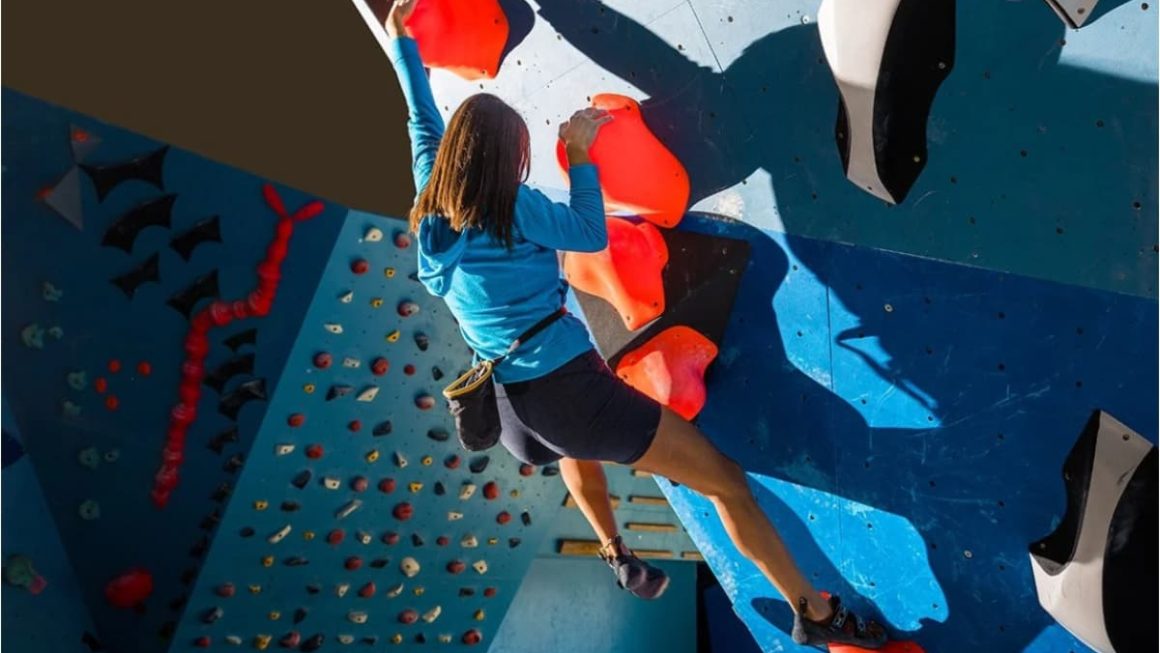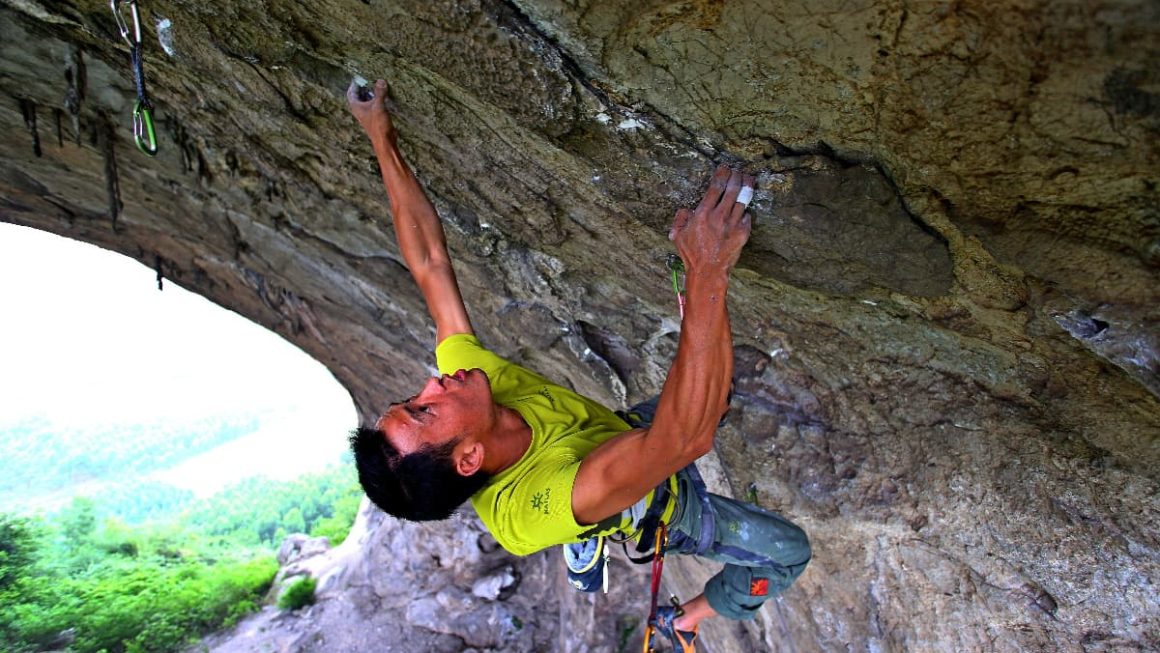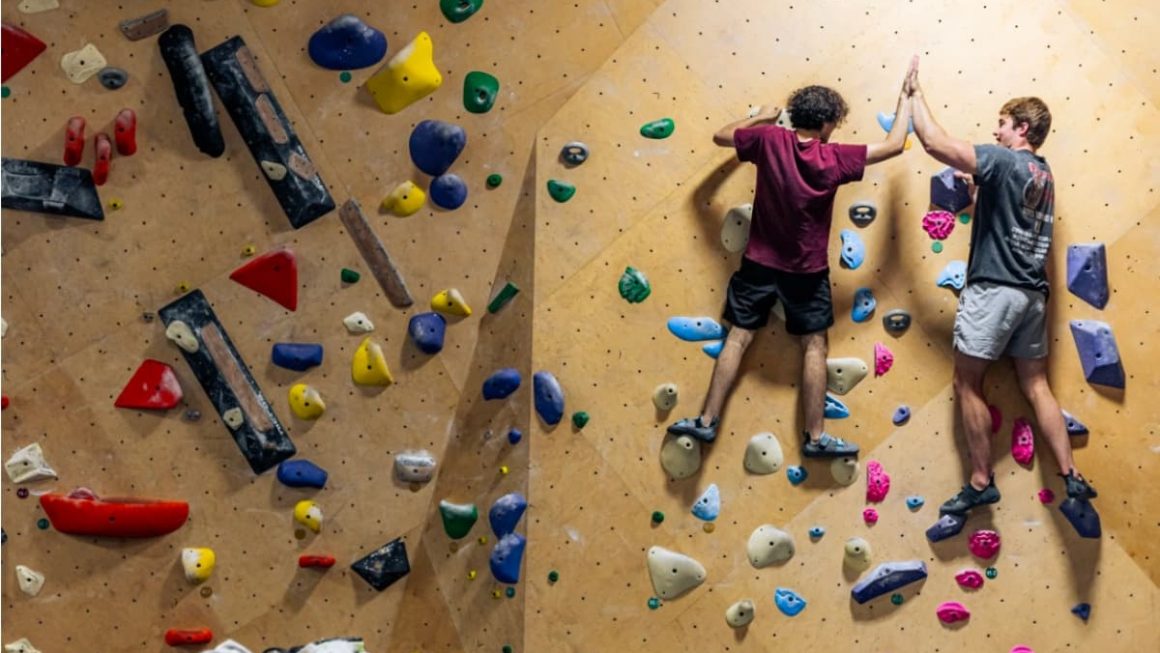


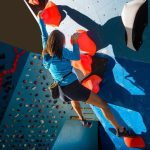
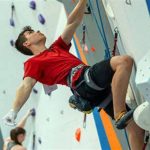
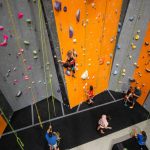
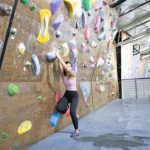
Remember childhood climbing? Trees, playground structures, parental anxiety about woodchips and hard landings. What if there existed a space where children could scramble to genuine heights without catastrophic risk—a place that simultaneously forged confidence, social capability, and physical literacy? Indoor climbing has exploded precisely because it delivers this improbable combination. Your kids stand to gain more than you might expect.
Confidence Through Problem-Solving
Problem-solving is non-negotiable for human development. Climbing presents problems in immediate, tangible form: the wall demands a solution, the summit requires a sequence. Children observe others, absorb strategies, but genuine learning arrives through personal execution. Youth climbing programs transform this process into structured growth—bright holds, supportive coaching, and the irreplaceable satisfaction of self-solved vertical puzzles. Confidence follows naturally when your child repeatedly discovers they can overcome what initially appeared impossible.
Focus and Mindfulness
Presence is mandatory on the wall. Distraction equals falling. This requirement strengthens mental architecture with surprising transfer—schoolwork, conversations, any activity demanding sustained attention benefits from the climbing-trained mind. Children learn that goal achievement rarely comes easily; that focused attention bridges desire and accomplishment. Adults, incidentally, acquire these same benefits. The wall does not discriminate by age.
Resilience Through Repeated Falling
No experienced climber exists who has never fallen. Failure is embedded in the activity’s DNA. Trial, error, adjustment, retry—the cycle repeats until success or exhaustion. Youth programs teach children to manage frustration, regulate emotional response, and internalize that repetition is process rather than punishment. Mental toughness develops not through elimination of difficulty but through supported navigation of it.
Social Connection in Individual Pursuit
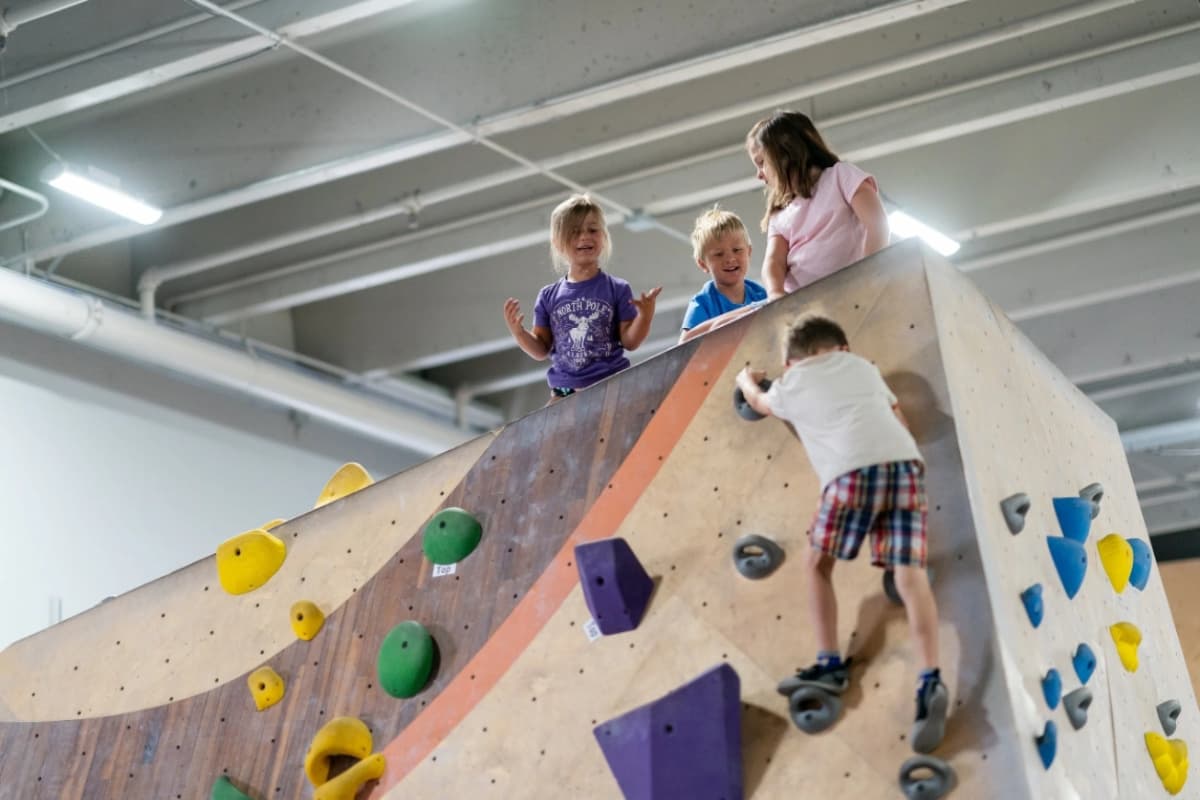
Climbing appears solitary yet generates community. Bouldering problems attract collaborative solution-finding. Mats surrounding walls echo with peer encouragement. Rope climbing requires belay partnership—literal trust relationships. For shy or introverted children especially, shared vertical challenge dissolves social barriers more effectively than forced interaction. The activity provides natural connection infrastructure.
Lifelong Movement Literacy
Indoor climbing sparks exploration and curiosity. It offers genuine screen-free engagement, physical discovery, environmental appreciation. This ignition spreads—children who climb often become children who move, who try, who possess energy awareness previously untapped. Do not be surprised when climbing initiates broader physical enthusiasm; the body awakens to its own capability.
The Invitation
Climbing exceeds strength pursuit. Your child will discover self-knowledge and world-interaction patterns through vertical exploration. Confidence, focus, resilience, social skill, active lifestyle—these constitute genuine developmental gifts.
Whether your child is curious newcomer or already chalk-dusted veteran, supporting this journey yields lifetime returns. Youth climbing programs provide structured entry. Prepare for enthusiastic monologues about routes and holds; once children discover what the wall offers, they rarely want to stop talking—or climbing.