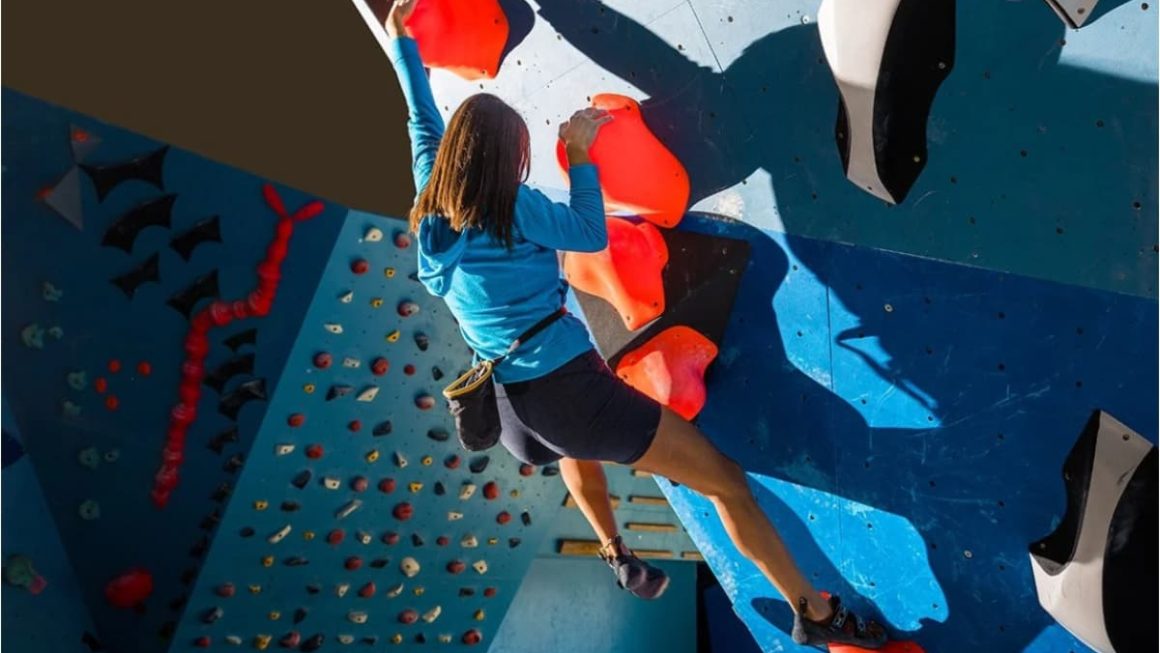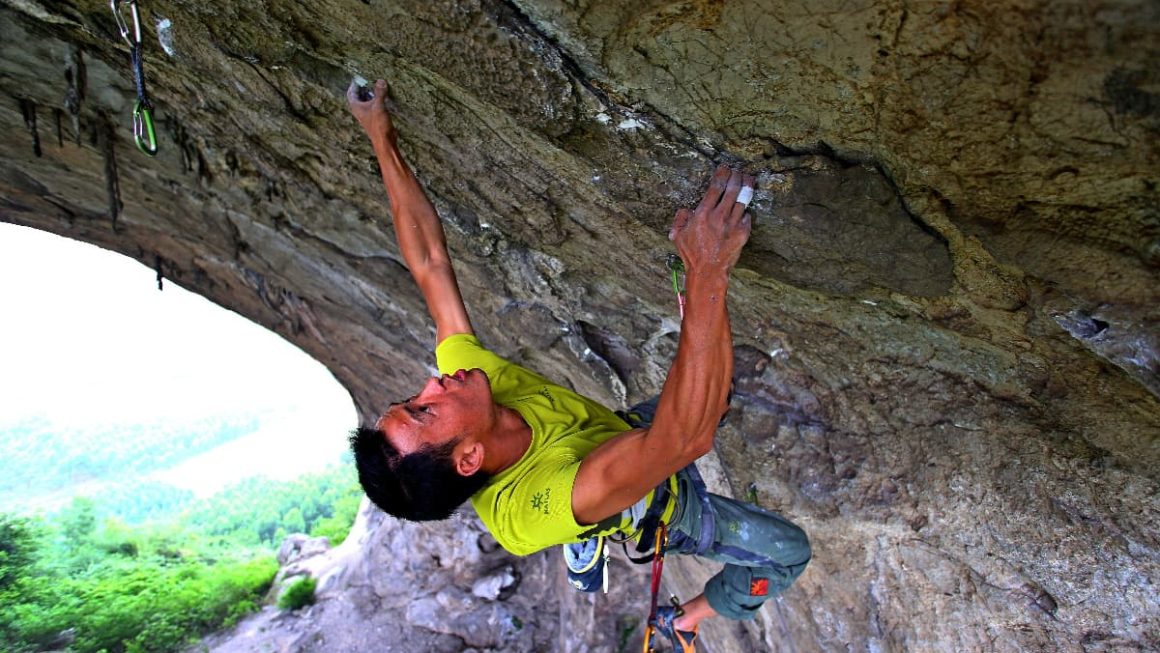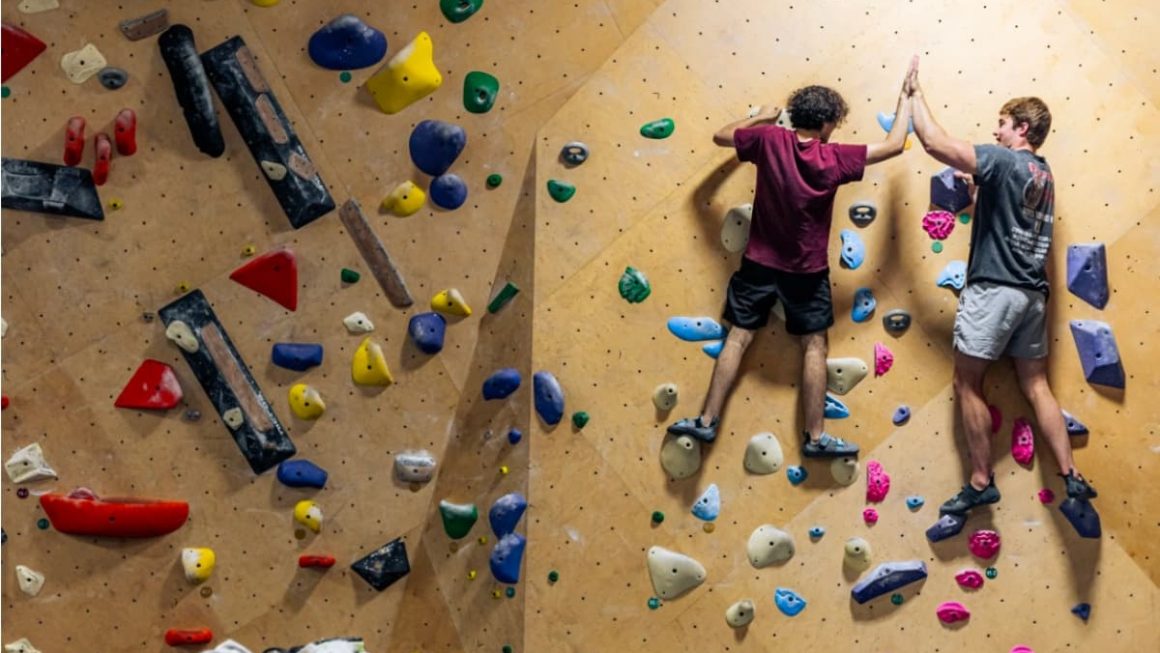
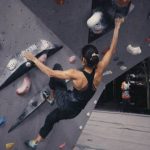

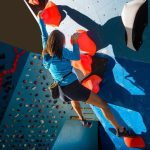
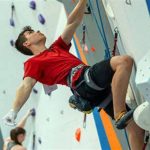
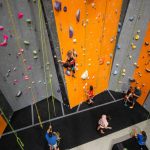
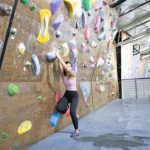
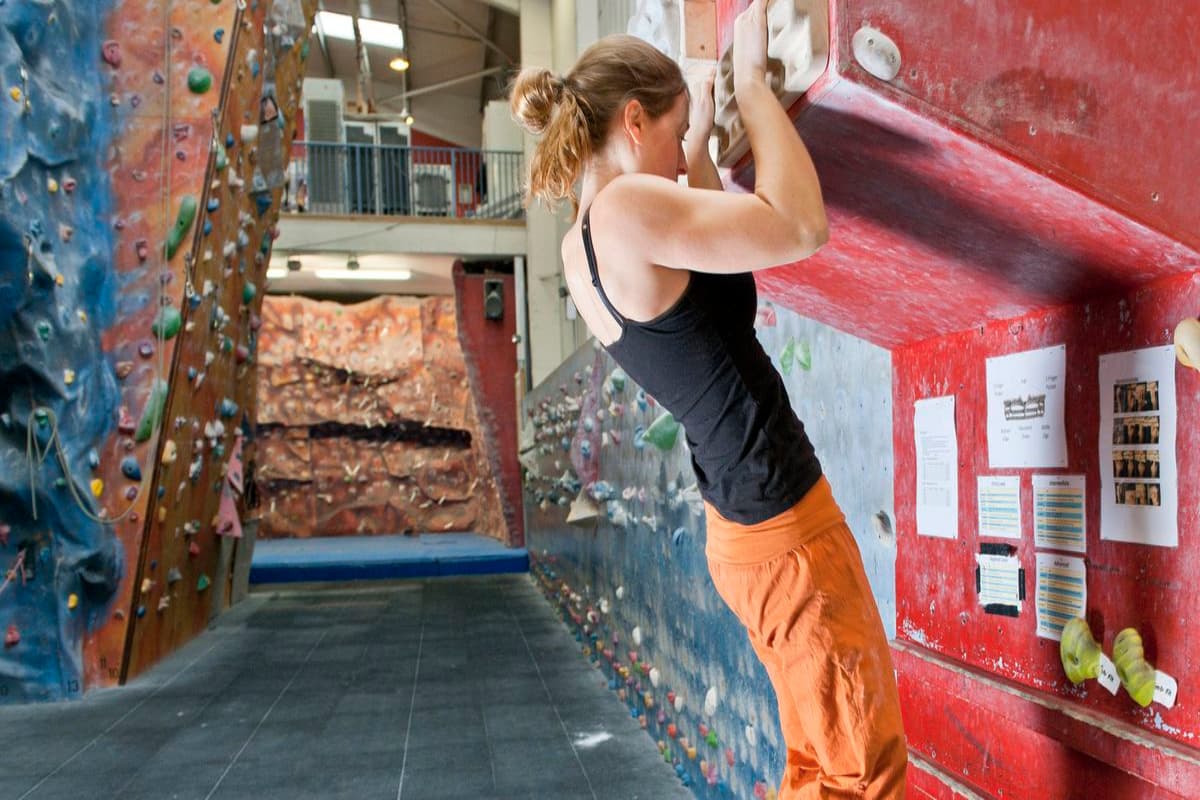
Climbers love repeating the obvious: climb more to improve. True, but incomplete. Exclusive focus on vertical movement creates vulnerability—muscle imbalances, plateaus, injury susceptibility. The climbers who break through to the next level recognize that strategic strength training completes the picture, not complicates it.
The beauty of climbing-specific conditioning? It demands minimal equipment. Bodyweight movements translate directly to wall performance, executable in living rooms during spare minutes. No gym membership, no elaborate setup—just consistent execution.
Upper Body: Balancing the Pull
Climbing overdevelops pulling musculature while neglecting pushing mechanics. This asymmetry invites injury. Archer pushups address the imbalance, mimicking lock-off positions while targeting chest, shoulders, triceps, and core. Advanced practitioners perform these extended; beginners modify on knees without shame. Three sets, four to eight repetitions per side, ninety to one hundred twenty seconds recovery.
Chair dips isolate triceps—critical for lock-offs and mantles. Straighten legs and descend deeply for intensity; bend knees and reduce range for accessibility. Three sets of ten to fifteen, matching rest intervals.
Core: Tension Under Control
Hollow hold leg lifts elevate beyond standard crunches. Borrowed from gymnastics and calisthenics, this movement demands total body tension from crown to toe—exactly what sustained climbing requires. Maintain hollow position throughout leg elevation. Three sets of fifteen, thirty to forty-five seconds between efforts.
Plank knee-to-elbow translates horizontally: imagine wall position rotated ninety degrees. The movement replicates high-step mechanics. Forearm plank increases difficulty; high plank reduces it. Three sets of ten per side (or twenty total), equivalent rest.
Lower Body: Lateral and Unilateral Competence
Side lunges develop frontal plane strength—glutes, quads, adductors, hamstrings, calves, core—preparing climbers for lateral movement before upward continuation. Climbing rarely proceeds in pure vertical lines; this exercise ensures readiness for all geometric demands. Three sets of ten per side, standard rest.
Single-leg squats complete the collection, targeting glutes, quads, hip flexors with unilateral specificity. Climbers constantly load single limbs—standing on one foot, extracting from high steps. Begin with achievable depth, progressing toward full pistol squat as strength and mobility accumulate. Three sets of eight to ten per side.
Integration: Flexible Execution
These six movements need not consume dedicated sessions. Fragmented approach works: one exercise per five-minute break throughout the day. For concentrated effort, combine into thirty to forty-minute circuit—three rounds through all six, thirty to sixty seconds between movements, ninety to one hundred twenty seconds between rounds.
Progression follows adaptation: increase volume, add resistance, deepen range of motion. The exercises mirror wall scenarios, recruiting muscles climbing demands most. Consistent application builds the strength surplus that separates project senders from perpetual strugglers.
Try them. Report back. The wall rewards preparation.