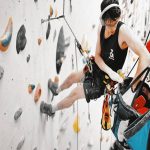
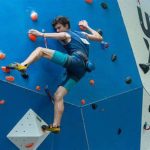
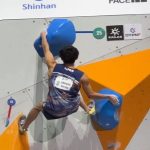
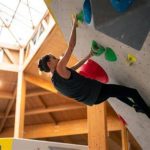
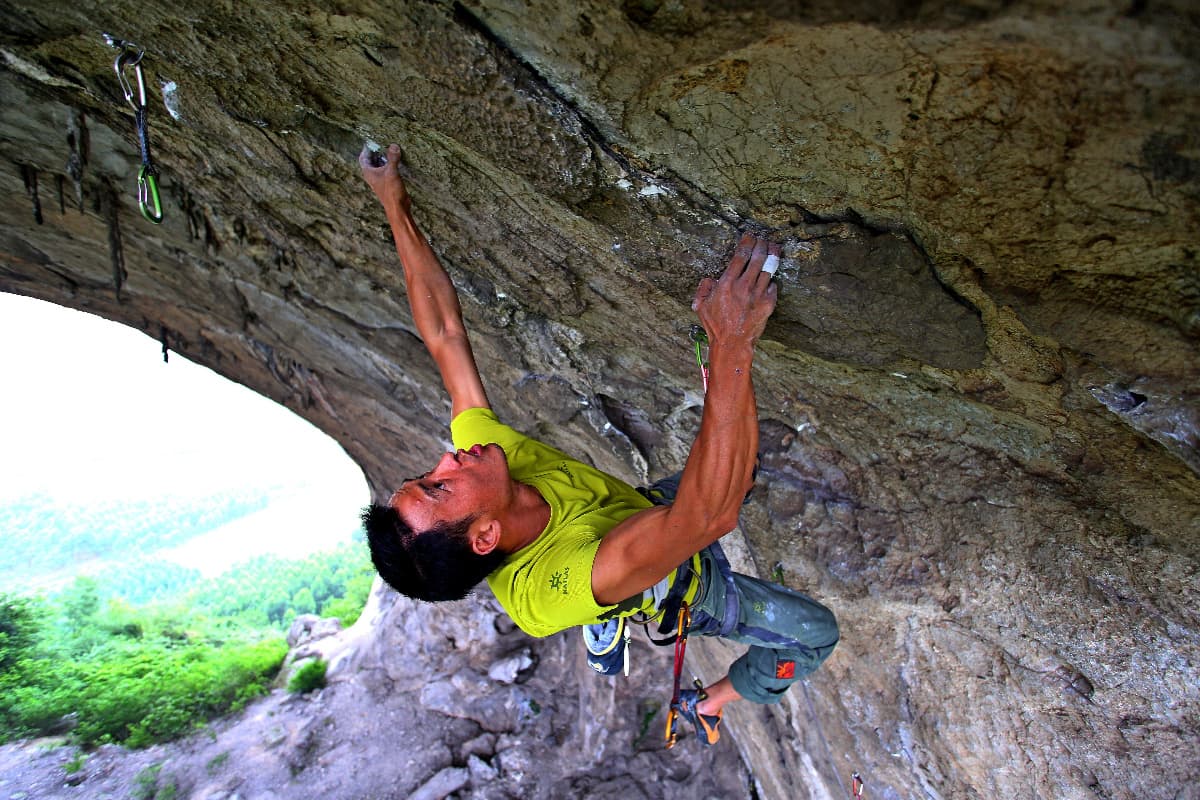
True confidence in climbing has nothing to do with fearlessness or constant summit success. For children and the adults supporting them, it means learning to trust effort, accommodate mistakes, and navigate uncertainty through incremental progress. Confidence accumulates slowly—one attempt, one adjustment, one climb at a time.
Effort Over Outcome
The most powerful intervention available: celebrate process rather than grades or difficulty ratings. Numbers in climbing serve as reference points, never definitions of worth. For children, genuine trying matters. Consistent attendance matters. Returning to failed sequences matters. Completion is optional; engagement is mandatory. Every attempted move builds the neural and physical architecture for subsequent success.
Parents should direct attention toward observable qualities: concentration visible in facial tension, persistence through repeated failure, bravery in initiating movement. Specific acknowledgment outperforms generic praise—”I noticed how you worked that crux section” or “You maintained effort even when the sequence felt impossible” creates internalized value. When children feel recognized for genuine engagement, confidence develops organically.
Falling as Foundation
Fear of falling dominates early climbing experience. This anxiety deserves normalization rather than elimination. For children, descent does not indicate failure—it signals attempted difficulty. Every climber falls, from first-timers to professionals. Impact is information.
Parental response shapes interpretation significantly. Calm, positive reactions following falls transform potential trauma into growth moments. Rather than anxious intervention, consider inquiry: what did they observe, what might they adjust, how did the protection feel? Safe falls become brave attempts rather than errors requiring correction.
Problem-Solving Autonomy
Climbing presents spatial puzzles with multiple valid solutions. Rarely does a single correct sequence exist. For children, this means permission to experiment—foot repositioning, hand sequence variation, tactical pausing for assessment. Exploration constitutes legitimate learning.
Parents face the temptation to direct verbally from below. Resistance proves more valuable. Open questions redirect responsibility: “What options do you see from there?” or “Which contact point feels most secure?” Even inefficient attempts develop decision-making capacity. Messy autonomy outperforms clean direction.
Transfer Beyond Vertical Space
Confidence constructed on the wall migrates horizontally into academic environments, social negotiations, daily challenges. Children internalize that effort supersedes outcome, that errors signal learning rather than inadequacy, that systematic problem-solving generates forward motion.
Post-session conversations cement these lessons. Discuss what proved difficult, what generated enjoyment, what experiments await next time. Confidence is not binary—present or absent—but constructed through accumulated experience. When adults celebrate genuine trying, normalize falling as data collection, and encourage independent solution-finding, climbing walls transform from recreational equipment into confidence factories. Children develop capacity to approach unfamiliar challenges with internalized assurance: “I can attempt this.”