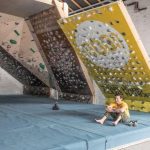
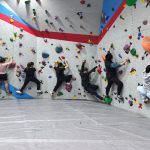

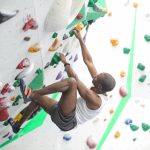


Climbing delivers full-body transformation—grip strength, proprioception, mobility, cognitive engagement—so completely that it seduces practitioners into believing it sufficient. This assumption limits potential. For those seeking stronger performance, extended sessions, and injury resilience, resistance training demands inclusion.
Climbing develops coordination, technical precision, and finger-specific capacity. What it often neglects: general strength, particularly in larger muscle groups. Weight training closes these gaps, creating foundations that amplify technical execution rather than replace it.
Injury Prevention Through Balance
Overuse injuries plague dedicated climbers. Fingers, elbows, shoulders, hips accumulate damage through repetitive stress. Strategic lifting addresses this through multiple mechanisms: balanced muscular development prevents compensatory patterns; connective tissue strengthens under progressive load; joint stability improves through controlled range-of-motion work; fingers and elbows experience reduced relative strain as larger muscle groups assume appropriate burden. The distinction between consistent multi-year progression and seasonal interruption often lies in this supplementary investment.
The Muscle Mass Myth
Climbers frequently resist weight training fearing excessive hypertrophy. Reality contradicts this anxiety. Climbing combined with lifting generates functional strength, not bodybuilding aesthetics. Volume, intensity, and programming goals remain entirely under personal control. Significant mass accumulation requires deliberate nutritional surplus and specific training protocols—casual strength work produces neither. Executed through complete range of motion, resistance training enhances mobility, tissue resilience, and long-term joint integrity, establishing itself among the most effective injury prevention modalities available.
Integration, Not Replacement
Climbing remains the primary path to climbing improvement. Weight training functions as force multiplier—enhancing robustness, power generation, and readiness for diverse wall demands. For practitioners prioritizing longevity, performance ceiling elevation, and setback minimization, strength work transitions from optional supplement to essential support structure.
Climb smarter. Lift deliberately. Send what previously seemed impossible.