
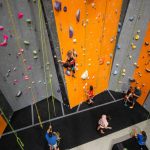
Climbing gyms intimidate newcomers—crowded spaces populated by visibly strong practitioners. Yet every expert began at the beginning. These facilities function as genuine melting pots: first-timers and professionals share walls, equipment, and community. Success routes diverge wildly, but shared space unites all practitioners. If you’re contemplating entry, welcome.
This guide clarifies indoor climbing’s primary disciplines and essential equipment, enabling confident arrival and sustained progression.
Three Disciplines
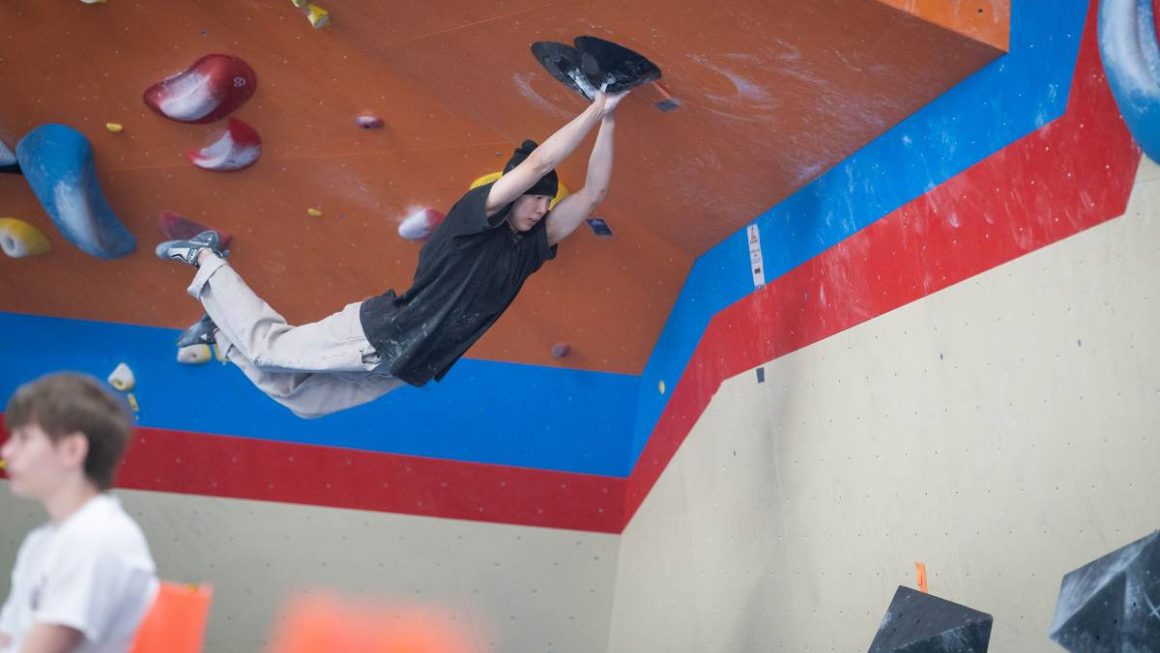
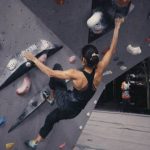
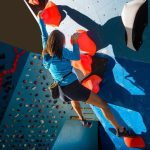
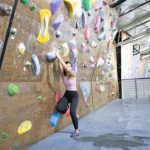
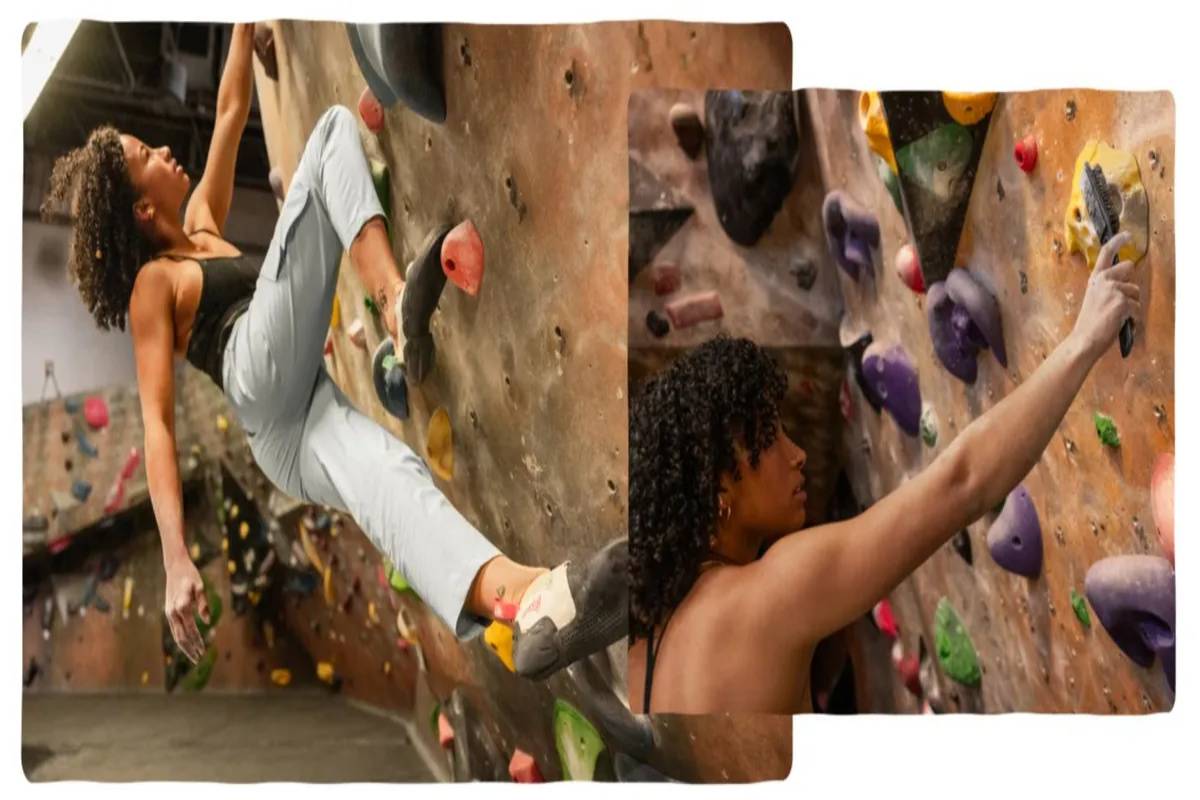
Indoor Bouldering: The purest form—strength and problem-solving applied to 7-15 foot walls. Routes demand technical or dynamic sequences, hence “problems” terminology. Falls remain small; thick foam mats replace ropes and harnesses. Partnership unnecessary; community naturally forms through collaborative “beta” exchange—movement intelligence shared between attempts.
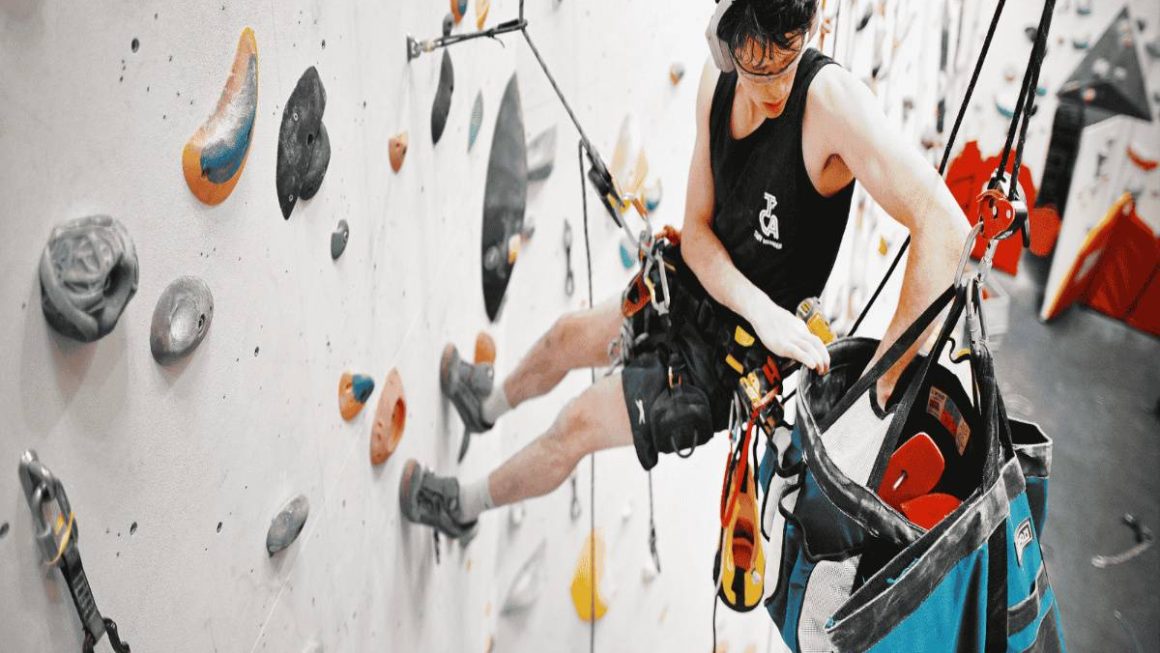
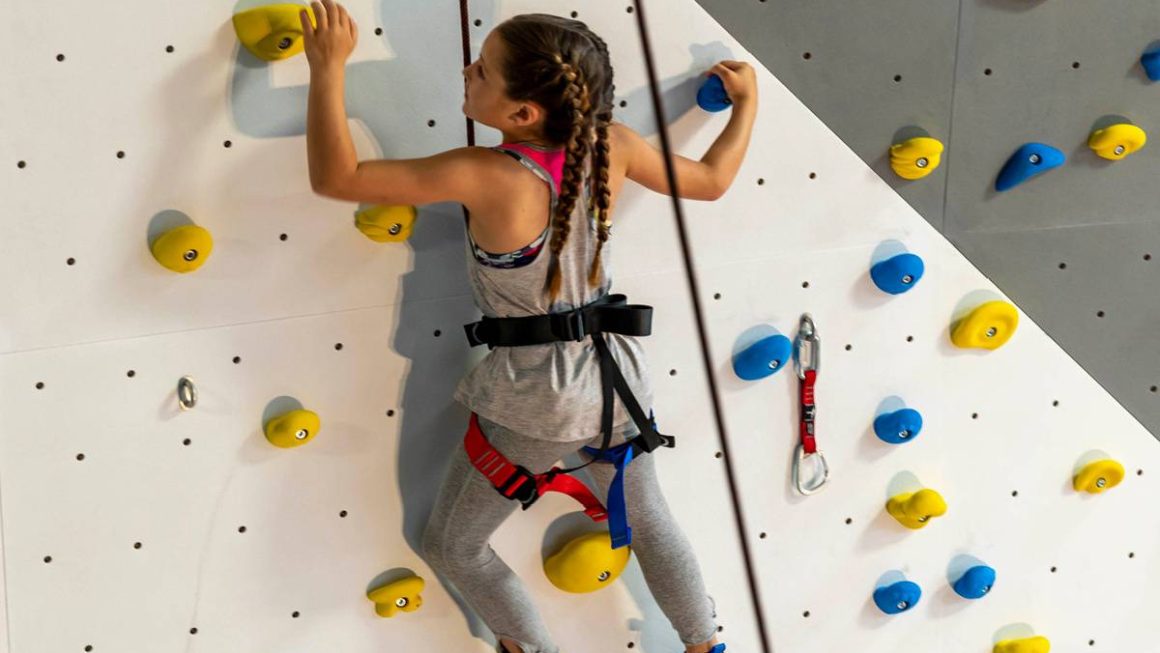
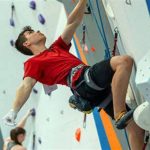
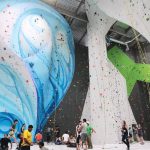
Top Rope Climbing: Longer routes, 40-60 feet, require harness, rope, belay device, and partner. Rope anchors at wall summit with dual ground-level terminations. Climber harnesses one end; belayer manages the other through friction device, eliminating slack to minimize fall potential. Dedicated gym walls feature abundant pre-rigged lines, generally vertical to slightly overhung, targeting beginner through intermediate capacity.
Lead Climbing: Advanced progression. Entire rope begins at ground level. Climber ascends, periodically clipping into pre-installed protection—quickdraws or permadraws spaced approximately every five feet. Belayer manages slack to prevent ground falls. Falls extend significantly farther than top rope scenarios, concentrating risk. Consequently, routes trend toward steeper, more overhung terrain reducing injury likelihood. Formal instruction and additional safety certification mandatory.
Essential Equipment
Climbing Shoes: Fundamental as automotive tires—style and specification vary dramatically. Rental options suffice initially; personal pairs accelerate comfort and confidence while reducing long-term expenditure. Three profiles dominate: neutral (flatter, relaxed fit, preferred for technique development and foot strength building); moderate/aggressive downturn (powerful toe position for small foothold navigation, favored by boulderers and lead climbers). Proper fit shows toe contact without painful compression.
Harnesses: Mandatory for rope disciplines. Any design with dual tie-in points and belay loop suffices for gym use—sport, trad, or ice-specific models all function. Competition-oriented minimalism exists but carries premium pricing; entry-level alternatives deliver safety and padding economically.
Belay Devices: Rope management tools creating friction for fall arrest. Certification and testing typically required for independent use; rental availability varies. Three categories: tubular/ATC (simple, lightweight, inexpensive, potentially fatiguing for extended sessions); assisted braking (Petzl Grigri and NEOX—automatic lockdown on falls, beginner-friendly, extremely secure); auto belays (pre-installed gym equipment enabling solo top rope climbing through automatic fall arrest and descent).
Chalk and Chalk Bags: Magnesium carbonate enhances grip through moisture absorption. Forms include loose powder, mesh-encased chalk balls, or dense blocks requiring finger-breaking. Chalk bags—waist-belted, single-hand capacity—serve rope climbers for mid-route access. Chalk buckets—larger, flat-bottomed, dual-hand capacity—dominate bouldering through volume and accessory storage (brushes, tape, hardware, nutrition). Personal selection recommended over rental.
Ropes: Gyms supply top rope lines. Lead climbing demands personal dynamic single rope—generally 35 meters suffices, though facility-specific minimums warrant confirmation.
Progression Logic
Indoor practice builds competence and confidence for outdoor translation. Social and recreational dimensions exist independently—many practitioners never exit climate-controlled environments. Facility amenities typically extend beyond climbing: strength training, yoga, cardiovascular equipment. Discipline selection depends on risk tolerance, partnership availability, and vertical ambition. Equipment investment parallels commitment depth, though initial rental options minimize barrier to entry.