








Among all pieces of outdoor bouldering equipment, the crash pad is the one most likely to protect your ankles, knees, and back when things go wrong. Many climbers underestimate its importance and end up buying a pad that is too small, too soft, or simply uncomfortable to carry. After a few outdoor sessions, they quickly discover that landing quality can matter just as much as the difficulty of the climb itself.
This guide focuses on the practical decisions that matter when buying a crash pad: choosing the right size, understanding how foam construction affects impact, deciding how many pads you actually need, and learning how to create safer landing zones.
Why Crash Pads Matter More Outdoors
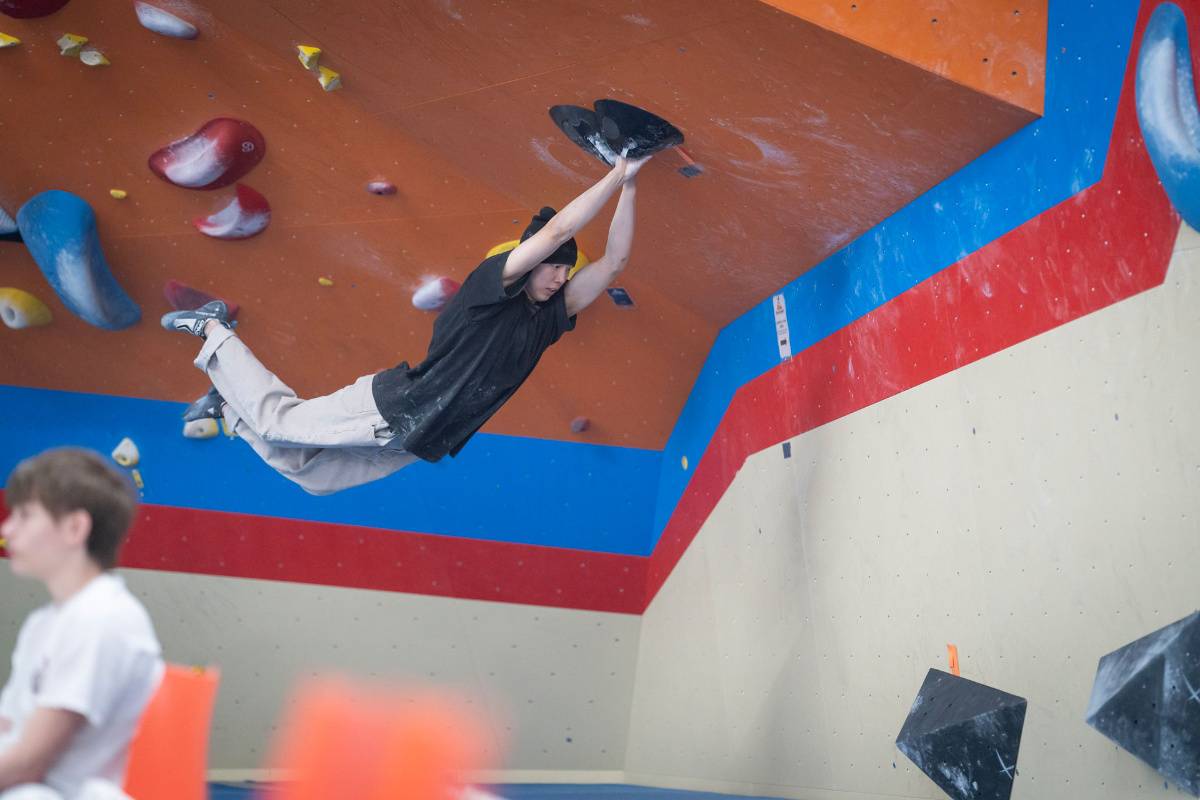
Falling while bouldering outdoors is very different from falling in a gym. Natural landing areas are rarely flat or forgiving. They may include uneven ground, exposed rocks, roots, or sloping terrain. A well-designed crash pad setup helps absorb impact and reduces the risk of injury, while a poor setup can introduce its own problems.
Three issues appear frequently when crash pad selection or placement is poor. Climbers may “bottom out” on hard landings if the foam is insufficient. Gaps or seams between pads can cause ankles to twist during awkward falls. In other cases, pads that are overly soft or worn out create rebound, which can send a climber’s hips or back back toward the ground after the initial impact. Good pads, combined with good placement, dramatically reduce these risks.
Understanding the Main Types of Crash Pads
Crash pads generally fall into three main design categories, each with its own strengths and trade-offs.
Hinge pads fold cleanly in half with a central hinge. They are typically lighter and easier to carry on longer approaches, making them a popular entry-level option. The drawback is the seam created by the hinge, which can occasionally sit directly under the landing zone if pad placement isn’t careful.
Taco pads use a single continuous sheet of foam that folds without a hinge. Because there is no split in the middle, the landing surface is more uniform and predictable. These pads are often favored for uneven ground or higher boulders where consistent impact absorption is important, though they are usually bulkier to carry.
Hybrid or tri-fold designs attempt to balance portability with a larger landing area. They fold into multiple sections, which makes them easier to transport while still providing substantial surface coverage. For climbers buying their first pad, this design often strikes the most practical balance between size and convenience.
The Foam Inside Matters Most
Many buyers focus on size or brand while overlooking the most important component: the foam. Most quality crash pads use layered foam construction. The upper layer is made of dense closed-cell foam that spreads out the force of impact, while the lower layer uses softer open-cell foam to absorb energy.
If the foam is too soft, climbers can sink through the pad and feel the ground beneath it. If the foam is too stiff, the landing can feel harsh and may cause rebound. For most situations, medium-firm layered foam offers the best balance between cushioning and long-term durability.
Choosing the Right Size for Your First Pad
If you plan to buy only one crash pad initially, choosing a larger footprint is usually the smarter decision. A pad with moderate to large surface coverage and roughly four to five inches of thickness offers a good balance between portability and protection.
Small, ultralight pads may seem appealing because they are easy to carry, but they often prove inadequate after only a few sessions outdoors. Many climbers who start with tiny pads end up replacing them quickly, which makes the “cheap” option more expensive in the long run.
How Many Crash Pads Do You Really Need?
While a single crash pad can work for simple situations, most climbers eventually realize that one pad has limitations.
A single pad works reasonably well for warm-up problems, short boulders, and landing zones that are flat and predictable. However, once climbers begin tackling taller problems or terrain with uneven landings, two pads quickly become the practical standard. Two pads allow better coverage, safer top-out zones, and flexibility when dealing with sloping ground.
For higher boulders, complicated landings, or serious projecting sessions, three or more pads may be necessary. Groups often combine pads to create a large landing zone that covers gaps, rocks, and fall paths.
Landing Zone Setup: The Skill That Matters Most
Even the best crash pad cannot compensate for poor placement. Setting up a landing zone properly is one of the most important safety skills in outdoor bouldering.
Before attempting a climb, take time to examine the landing area. Remove loose rocks or branches whenever possible. Position pads so they cover holes, slopes, or transitions in the terrain. If multiple pads are used, overlap them slightly to eliminate dangerous gaps where ankles could twist. Pads should also be adjusted between attempts if the expected fall direction changes. In situations where the fall path is uncertain, attentive spotting from partners can make a significant difference.
Common Crash Pad Buying Mistakes
A frequent mistake is choosing a crash pad based purely on price. Low-cost pads often use lower-quality foam that compresses quickly and loses its protective ability. Spending a little more on durability usually pays off in the long term.
Another oversight is ignoring carry comfort. If the approach to the boulders involves hiking, poor shoulder straps or awkward carrying systems can turn every session into a burden. Good straps, a supportive hip belt, and a reliable closure system make a noticeable difference.
Some climbers also assume that a single pad will solve every landing problem. In reality, terrain often demands multiple pads and careful spotting. Finally, many people repeatedly land on the same part of the pad, which compresses the foam unevenly. Rotating the pad during sessions helps extend its lifespan.
Maintaining Your Crash Pad
Crash pads last longer when they are treated properly. Store them in a dry place away from prolonged sunlight, and avoid leaving them compressed under heavy gear for extended periods. During climbing sessions, occasionally rotate the pad so that impacts are spread across different areas of the foam. Regularly check seams, buckles, and shoulder straps for signs of wear. When the foam stops recovering and hard falls begin to feel sharp, it may be time for replacement.
A Smart Buying Strategy
For climbers starting out with outdoor bouldering, a practical approach is to buy one reliable medium-to-large pad and focus on learning proper landing zone setup. If outdoor climbing becomes a regular activity, adding a second pad within a few months significantly improves safety and flexibility.
More experienced climbers often build a small collection of pads with different sizes. One larger pad can serve as the base landing surface, while a smaller pad fills gaps or covers uneven ground. In group climbing sessions, coordinating pad ownership among partners can create a much safer and more adaptable landing zone.
In the end, crash pads are not just accessories—they are a core part of outdoor bouldering safety. Choosing the right pad and learning how to use it effectively can make the difference between a controlled fall and an avoidable injury.