
Traditional climbing, often termed “trad” climbing, is the original style of protected rock climbing. In this method, climbers ascend natural rock formations like cracks and faces, placing removable gear for safety as they go. Once the climb is complete, this gear is removed, leaving no trace behind. This contrasts sharply with sport climbing, where permanent bolts are fixed into the rock and serve as anchors.
The Distinct Worlds of Climbing
Understanding the differences among climbing styles is essential, as they each demand unique mindsets and equipment.
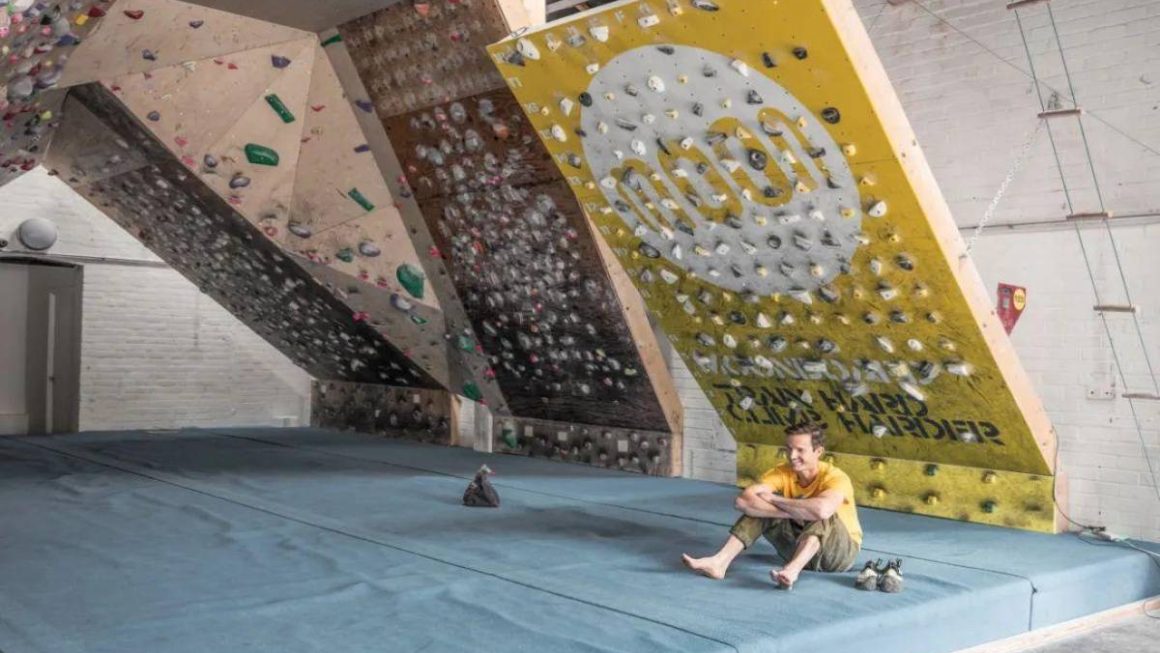
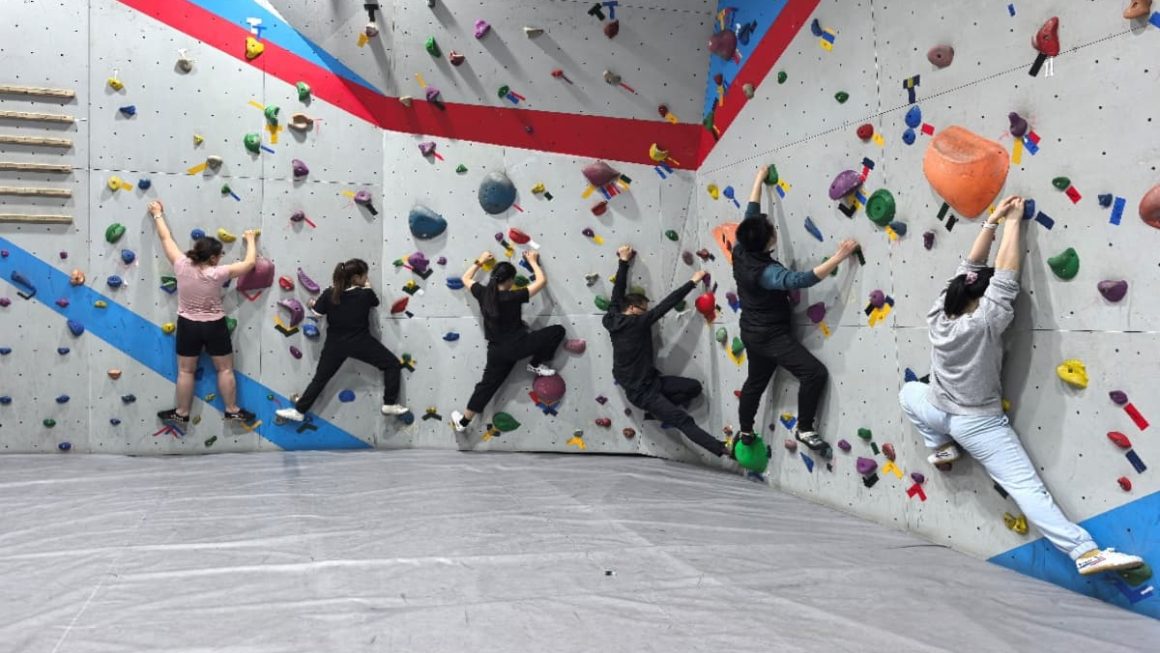
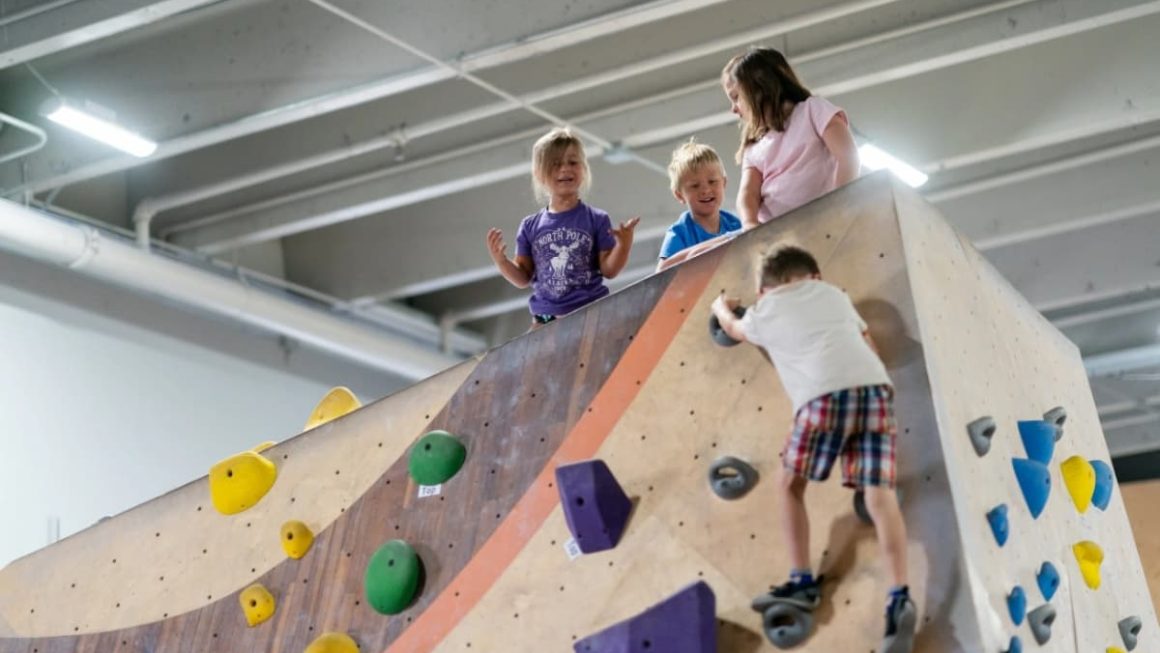
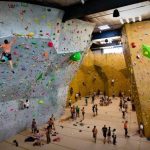
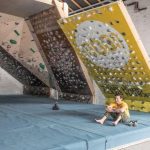
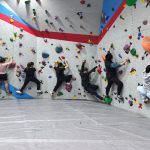
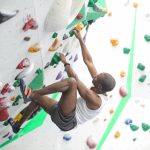
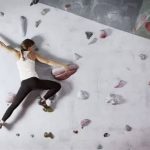
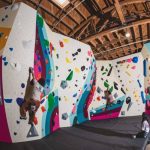
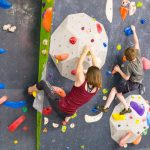
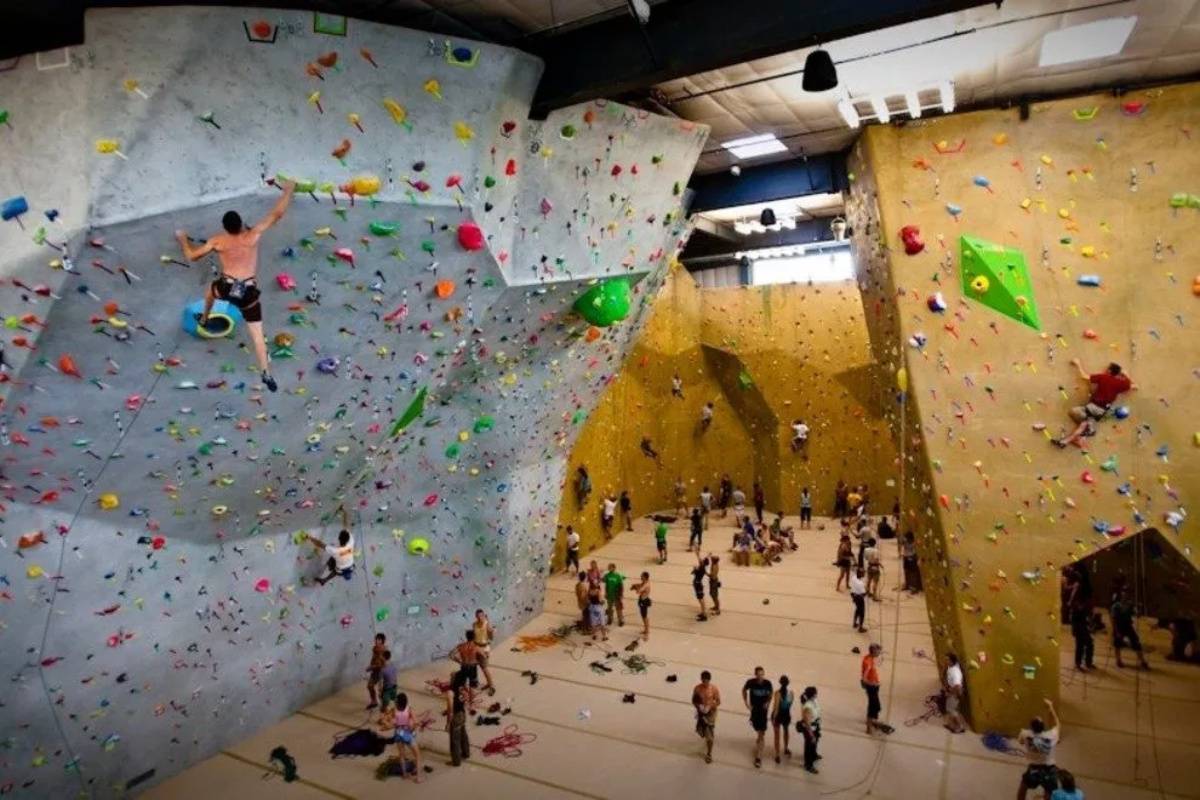
- Gym Climbing: This is usually where beginners start. Here, climbers engage in a controlled environment, navigating routes with marked holds and pre-installed bolts, focusing on fitness and technique with minimal risk of falling.
- Sport Climbing: This progresses outdoors, where climbers clip into permanently installed bolts along the route. The gear is reliable, allowing climbers to concentrate on their knots and belaying techniques while enjoying varied landscapes without worrying about placing protection.
- Trad Climbing: This style puts the responsibility squarely on the climber’s shoulders. Using gear they carry, climbers place removable protection in natural features of the rock. Their safety hinges on the quality of gear placement and personal judgment, adding an intense mental aspect to the challenge.
Most climbers advance through a sequence from gym to sport, and finally to trad climbing, as each phase introduces greater complexity and a higher level of responsibility.
The Mechanics of Trad Climbing
A typical trad climb involves several critical steps:
- The Rack: Climbers start with a collection of gear including cams, nuts, slings, and carabiners, weighing between 15-30 pounds. This equipment is essential for managing safety on the route.
- The Ascent: As climbers ascend, they locate features suitable for protection, placing gear securely while clipping in their rope.
- Understanding Fall Factors: If a climber falls, their fall distance can be twice the distance from the last piece of protection, plus some extra for rope stretch. This calculation must be kept in mind continually.
- Building Anchors: At the top or in secure stances, climbers create anchors using multiple pieces of gear, securing themselves before belaying their partner.
- Cleaning Gear: Once at the top, the second climber removes the protection gear, collecting pieces for future climbs.
This cycle continues pitch after pitch, with single-pitch trad climbs being more accessible for beginners.
Essential Gear for Trad Climbing
Getting started in trad climbing is an investment. Expect to spend between $1,000 and $2,000 for a complete basic rack, which includes:
- Cams: Vital for protection, these expand to fit cracks and hold when weighted. A double set covers sizes from finger to fist.
- Nuts: Lighter than cams, these metal wedges are essential for specific placements and should be a staple in any rack.
- Quickdraws: Approximately 12-18 are necessary to connect your rope and gear.
- Slings and Cord: Essential for building anchors and extending gear placements, these come in various lengths, with 48-inch and 60-inch being standard.
- Carabiners: A variety is needed, including both locking and non-locking types for various tasks.
- Rope: A dynamic single rope with a diameter between 9.7-10.2mm and a length of 60-80m is typically used to keep things straightforward.
- Harness: Comfort is crucial here, as climbers may carry over 20 pounds of gear.
- Belay Device: While an assisted-braking device might be popular, tube-style devices offer flexibility for various situations.
- Helmet: An essential piece of safety gear. Rockfall poses a significant danger, making a helmet non-negotiable.
- Approach Shoes: Comfortable and supportive footwear is key for the hikes to and from climbing sites.
Trad climbing requires not just skill and physical prowess, but also a deep understanding of gear and safety. It’s an incredibly rewarding experience, blending strategy and adventure, with each climb offering a unique challenge.