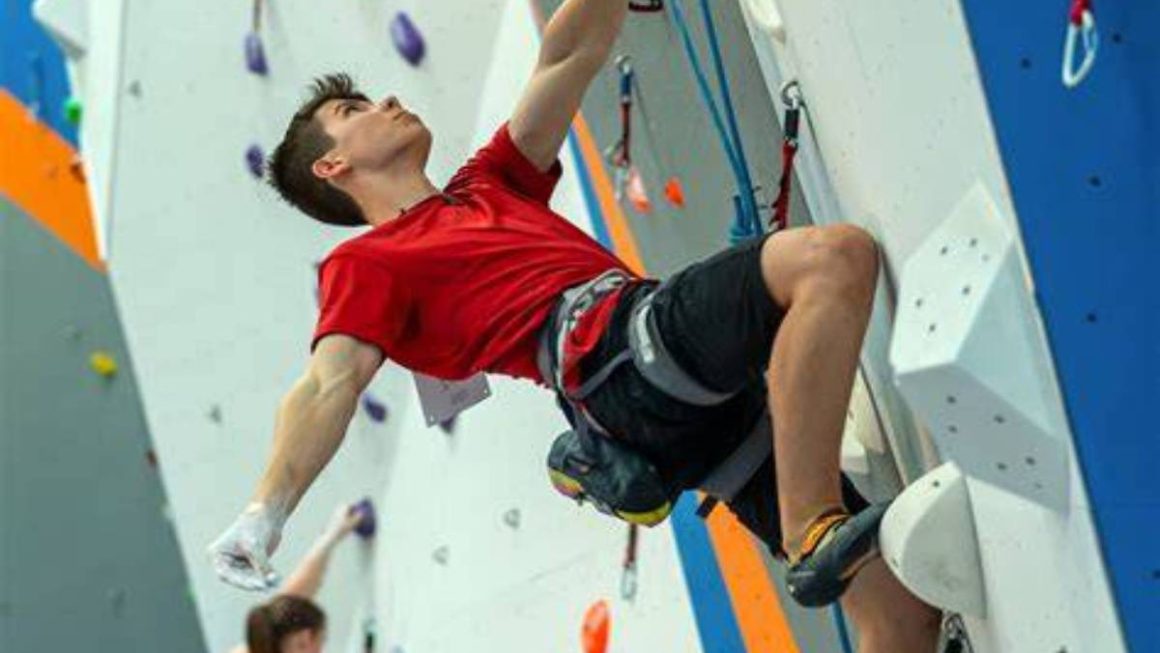









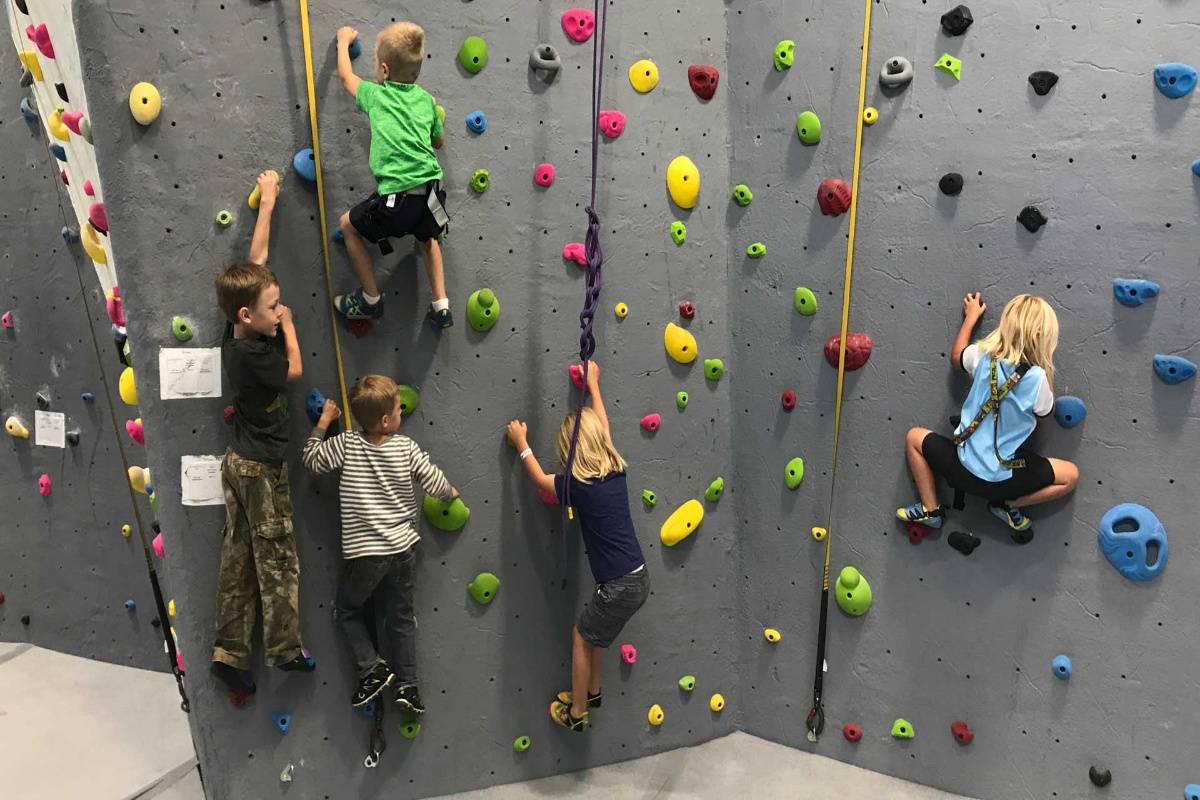
In the world of climbing, the thrill and excitement come hand in hand with the risk of injury. At The Climbing Hangar, we understand that no one wants to be sidelined by strains or sprains. With that in mind, we present essential strategies for indoor climbers, from beginners to seasoned veterans, to maintain their climbing journey, accelerate recovery, and sidestep unnecessary setbacks.
The Reality of Climbing Injuries
Injuries can derail your climbing ambitions. A minor strain or tendon issue can set you back for weeks, impeding your progress just as you’re finding your rhythm. Recovery often takes longer than anticipated, and if the rehab process isn’t smooth, you might find yourself grappling with persistent discomfort. The most effective strategy? Prevent injury before it occurs. Simple changes can make a world of difference.
Common Climbing Injuries and Their Causes
Understanding the risks is the first step in prevention. Here’s a look at some prevalent climbing injuries:
Finger Tendon Injuries: Typically arise from overgripping or crimping too hard, leading to tendon strain.
Pulley Strains or Ruptures: Highimpact moves on small holds can cause significant injuries, especially when tendons are unprepared.
Shoulder Injuries: The complexity of the shoulder joint makes it susceptible to issues from poor technique and overuse.
Elbow Tendonitis (Climber’s Elbow): This overuse injury is prevalent among beginners who grip too tightly.
Landing Injuries: Unsafe falls can lead to various sprains and strains, but these can be minimized with the right techniques.
Key Injury Prevention Strategies
To protect yourself while climbing, consider implementing these strategies:
1. WarmUp Effectively: A solid warmup increases blood flow and prepares your muscles, reducing stiffness and injury risk.
2. Stretch Regularly: Flexibility is crucial in climbing. Stretching before and after sessions, focusing on shoulders, hips, hamstrings, and fingers, helps prevent pulls and strains.
3. Prioritize Rest: Overtraining can lead to injuries. Ensure you incorporate rest days for your body to recover and strengthen.
4. Take Breaks Between Climbs: Allow time for muscle recovery during sessions, enabling you to maintain good technique and prevent fatigue.
5. Train Off the Wall: Supplement your climbing with strength training focusing on core exercises, pullups, and fingerboard workouts to enhance overall fitness.
6. Master Your Technique: Good climbing technique will reduce strain on your body. Consider professional instruction to solidify your skills.
7. Climb Within Your Limits: Avoid the temptation to leap into more difficult climbs too soon. Progress gradually and listen to your body’s signals.
8. Diversify Your Climbing: Engage in various climbing styles to work different muscle groups and avoid repetitive strain.
9. Ease Into Sessions: Start with easier climbs to prepare your tendons before tackling more challenging routes.
10. Incorporate CrossTraining: Activities like yoga and resistance training can enhance overall fitness, improving balance and reducing injury likelihood.
11. Maintain Healthy Habits: Adequate sleep and nutrition are essential for optimal recovery and performance.
12. Stay Focused: Concentration during climbing prevents careless mistakes, such as poor foot placements that could lead to injury.
13. Learn to Fall Safely: Proper falling techniques, such as landing on your feet and bending your knees, can mitigate injury risk.
14. Climb Down Instead of Jumping Off: Doing so protects your knees, ankles, and spine, minimizing impact and potential longterm issues.
By adopting these proactive injury prevention measures, you can continue to challenge yourself in climbing without the threat of setbacks. Climbing is a rewarding sport that engages both your body and mind, and the path to enjoyment lies in cultivating healthy habits. Remember, the best climbers are those who can keep climbing. Stay strong, and enjoy the journey!