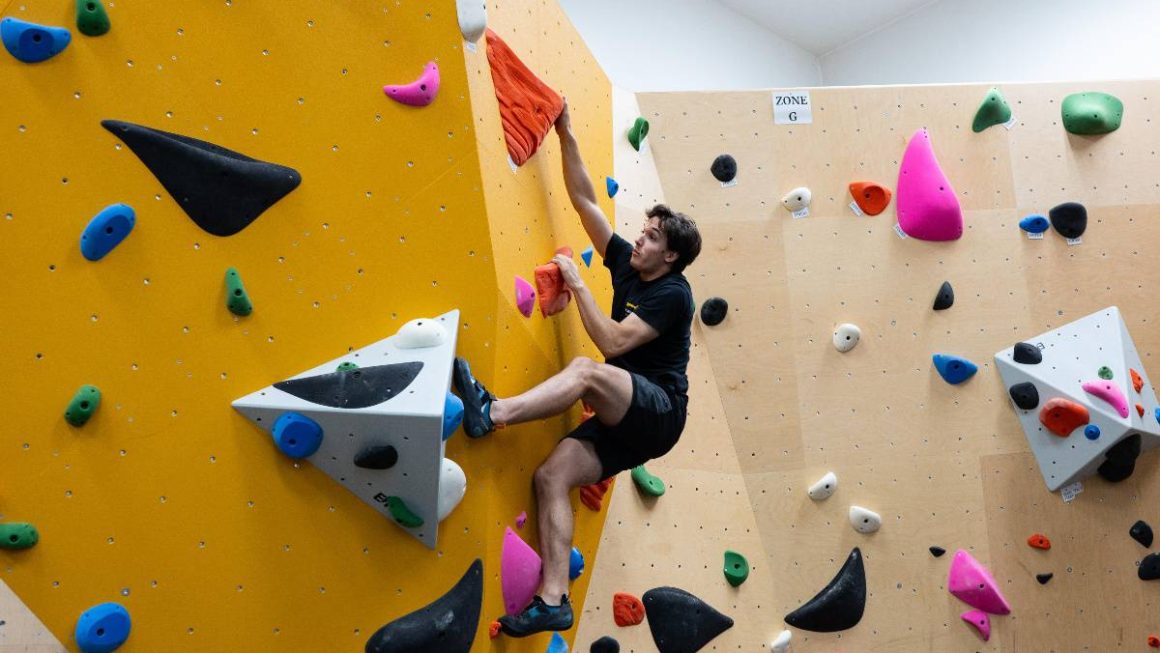




As we enter a new year, it’s the perfect time to set resolutions and goals—not just in life, but on the climbing wall as well. Whether you’re a beginner finding your footing or a seasoned climber reaching for new heights, formulating clear, actionable climbing goals is essential for unlocking your potential. This is where SMART goals come into play.
SMART goals transform vague desires into concrete, achievable objectives. By utilizing the SMART framework, you can focus on improving your climbing grade, mastering new techniques, or tackling a challenging outdoor route. Here’s how to craft effective SMART climbing goals.
What Are SMART Goals?
Specific: Clearly define your target. Instead of saying, “I want to get better at climbing,” specify what you want to improve. Ask yourself what techniques you’re focusing on and whether your goal relates to indoor or outdoor climbing. A specific goal might be, “I want to consistently climb purples at The Hangar with correct technique.”
Measurable: Establish a way to track your progress. This could be the climbing grades you achieve, the number of climbing sessions per week, or specific skills you plan to improve. For instance, you might set a measurable goal to “climb five white boulders at The Hangar” or “attend two Learn to Climb classes.” Tracking your progress will give you a sense of accomplishment.
Achievable: Set realistic goals based on your current abilities and available time. While pushing yourself is important, setting an unattainable goal can lead to frustration. If you’re currently climbing blues, aiming to top a white within a month may be impractical. Instead, strive for a gradual progression, such as “climbing five purples while improving my technique and finger strength.”
Relevant: Ensure your goals align with your longterm climbing objectives. Think about why these goals matter. A relevant goal for a competitive boulderer might be enhancing power and technique for dynamic problems, while for an outdoor enthusiast, it may involve conquering a multipitch trad route.
Timebound: Set deadlines for your objectives. Without a clear timeframe, it’s easy to lose focus. Establishing a timeline instills a sense of urgency and commitment, driving you to act consistently.
Crafting Your SMART Goal
Here’s an example of a wellstructured SMART climbing goal:
“I aim to top a red boulder problem at The Climbing Hangar within the next eight weeks. To achieve this, I will climb indoors three times a week, concentrating on finger strength, technique, and flexibility. I’ll document my progress in a climbing journal, and I’ll know I’ve succeeded when I complete my first red problem!”
Tips for Staying On Track
Review Regularly: Periodically assess your progress. If you find yourself not advancing as planned, consider adjusting your training regimen or timeline.
Break It Down: Divide larger goals into smaller milestones. For example, to master slab climbing, you could initially focus on improving your footwork and balance exercises.
Stay Flexible: Life can disrupt your plans, and progress isn’t always linear. Remain open to adjusting your goals while keeping the broader picture in mind.
The Final Push
Setting SMART goals is a powerful strategy to elevate your climbing skills. By ensuring your objectives are Specific, Measurable, Achievable, Relevant, and Timebound, you equip yourself with a clear roadmap to success. Remember, every climber’s journey is unique, demanding patience and persistence.
So, grab your chalk bag, jot down your goals, and get climbing! You’re ready to reach new heights!