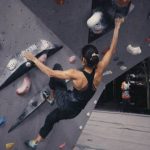

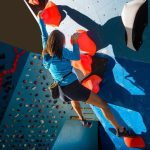
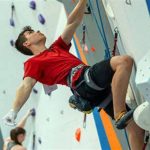
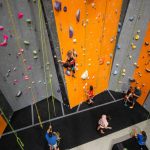
The most exceptional climbers aren’t just those who scale walls; they embody climbing as a lifestyle. This isn’t about embracing the stereotypical dirtbag mentality or training relentlessly; it’s about integrating effective climbing principles into everyday life, viewing each moment as an opportunity for growth and practice.
These climbers engage in a continuous cycle of trying, analyzing, and learning, fostering a deep sense of intuition. By weaving skill practice into their daily activities, they experience regular progress and success, cultivating a motivational loop that encourages further practice. If you’re wondering how to become a smarter and more capable climber while minimizing the risk of injury, embracing this holistic approach is key.
But what skills can you hone off the wall? Countless! Here are three oftenoverlooked skills that can significantly elevate your climbing performance:
1. Intentional Breathing
Breath control influences your mindset, stress levels, and physical coordination, playing a crucial role in your climbing success. Unfortunately, many climbers neglect this powerful tool, allowing their breath to flow haphazardly instead of using it purposefully.
Breathing techniques can enhance various aspects of climbing: calming breaths for relaxed movement, intense breaths for higheffort sections, and stable breaths for challenging situations. Managing your breath effectively is akin to controlling the gas pedal in a car—too much force leads to crashes, while too little can stall your performance.
To harness the power of breathing, follow these five steps:
1. Learn the Types: Familiarize yourself with different breaths and their purposes—belly breaths for relaxation, intense breaths for exertion, power breaths for peak performance, and stable breaths for control.
2. Cultivate SelfAwareness: Observe your breathing patterns, especially under stress.
3. Practice Breathing Skills: Develop proficiency in each breath type.
4. Apply Skills: Intentionally plan your breathing, aligning it with your movements.
5. Achieve Mastery: Combine everything in practice, adapting your breathing in stressful situations.
2. Body Language Awareness
Just like breath, body language can be harnessed or allowed to operate on autopilot. Understanding and utilizing your body language is essential for effective climbing. Focus on key elements such as your eye position, shoulder shape, joint alignment, facial expressions, and even minor gestures like chalking up or shaking out.
Try this exercise: visualize yourself climbing confidently. Notice your posture, speech, and expressions. Compare this to how you appear when feeling fatigued or uncertain. Recognizing these differences allows you to cultivate a clear mental image of your ideal body language, which you can replicate to prepare for climbs.
Being aware of how your body language shifts during stressful moments provides valuable insights, enabling you to make adjustments before stress escalates. Synchronize your body language with your breath to enhance your performance on the wall.
3. Utilizing Positive SelfTalk
Selftalk encompasses the thoughts and phrases running through your mind as you climb. While some climbers experience a torrent of words, others operate on instinct. Regardless of your style, your selftalk can be a powerful tool—if you wield it intentionally.
Effective selftalk should involve two components: a deeply personal image that resonates with you and a short phrase or word that evokes this image. Rather than generic phrases like “you can do it,” find what truly motivates you. This connection can cut through stress, fatigue, and distractions, allowing you to refocus on your objectives.
Building these selftalk connections requires reflection and experimentation. Identifying what genuinely inspires you and connecting it with a cue word can be a gamechanger while climbing.
Putting It All Together
Integrating breathing, body language, and selftalk provides climbers with a powerful toolkit for managing their intensity levels. The best climbers can quickly adjust their intensity as needed, effortlessly transitioning from higheffort moves to calmer sections. This efficiency leads to peak performance.
Mastering the art of deliberate intensity is crucial for any climber aiming to unleash their full potential. This journey requires time and dedication, but the rewards in performance and understanding of climbing are immense—and enjoyable. Embrace these practices to elevate your climbing both on and off the wall.