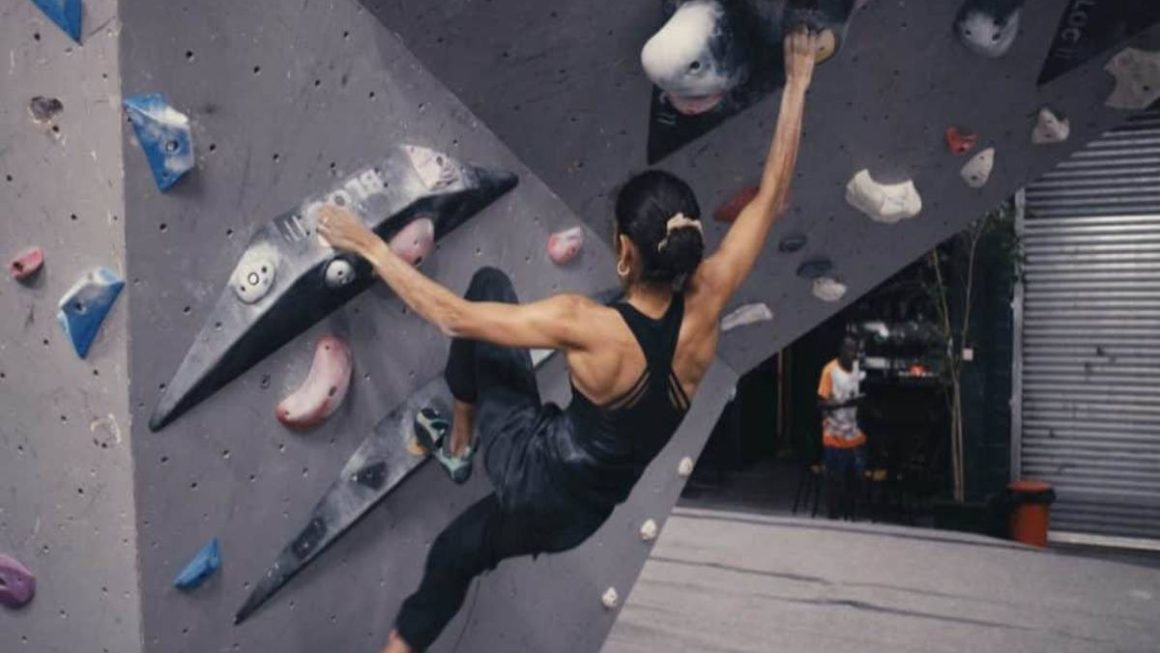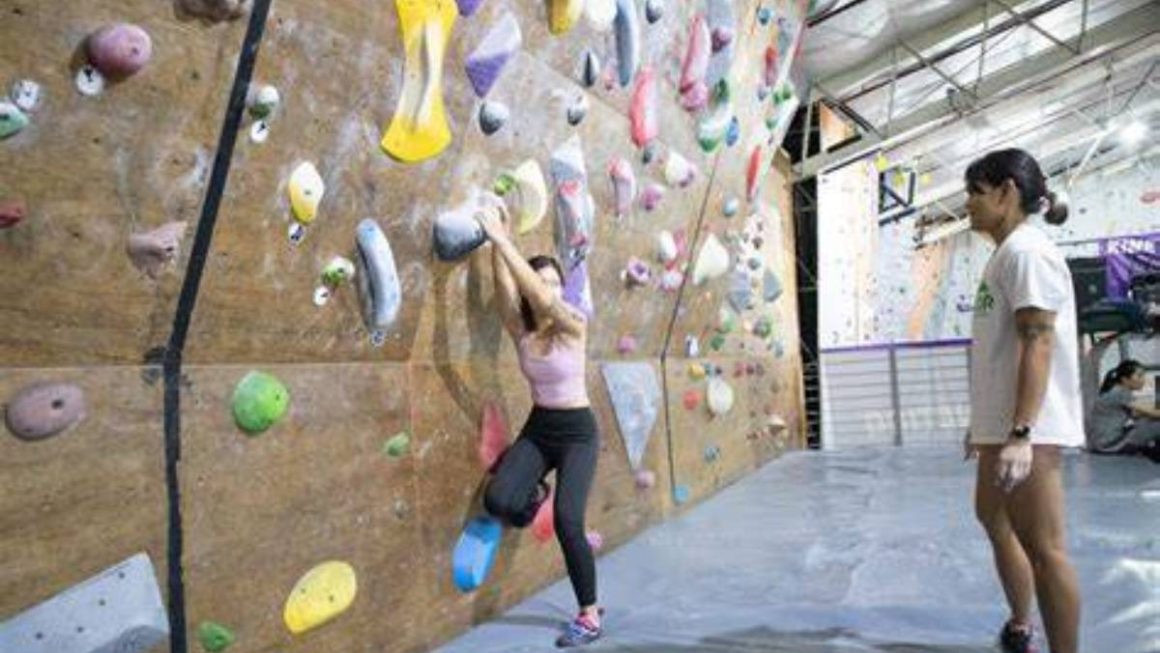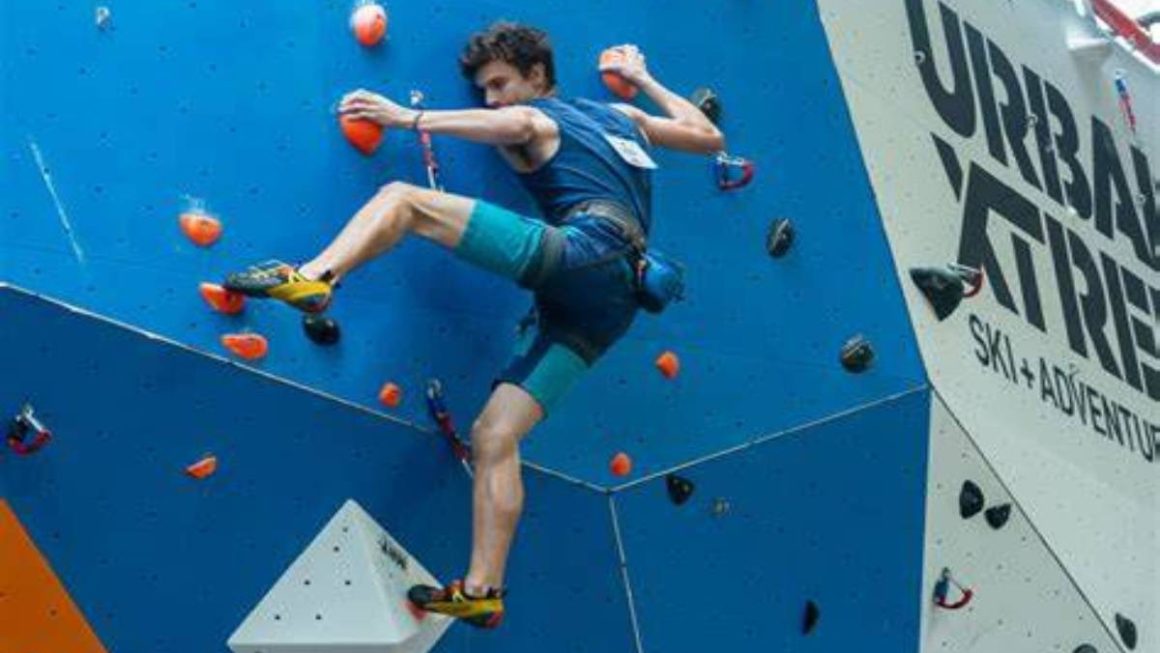










Fear of falling is something that every climber, regardless of experience, grapples with. It can be one of the most daunting aspects of climbing, yet it’s essential to remember that falling is a fundamental part of the sport. Learning to practice falls is a vital skill that every climber should develop.
First and foremost, practicing falls builds trust in your safety system—your rope, draws, and belayer. Additionally, when you take practice falls, you develop a muscle memory that prepares your body for unexpected situations. The key to falling safely is to remain relaxed and mindful of your body positioning to avoid either locking your limbs or letting them go limp, which can lead to uncontrolled flailing against the wall.
When you practice falling, aim to keep your feet on the wall as long as possible. This position will naturally position you in a seated stance with your knees bent, ready to absorb the impact. Always prioritize communication with your belayer. Before attempting any falls, conduct your lead climb and belay checks with your partner. Inform them of your intention to practice falls to ensure everyone is on the same page.
If you’re still hesitant, here are four effective strategies to help you overcome your fear of lead falls:
1. Choose the Right Moment
Assess your surroundings before taking practice falls. Are there climbers below or on adjacent routes? Are you on a slab with minimal protection? Consider potential hazards like roofs, ledges, or ground fall risks. If the answer to any of these questions is yes, postpone your practice to a safer environment.
2. Start Small
You don’t have to take a massive fall right away. Begin by climbing to a point above mid-height on the wall, clip in, and practice falling when the clip is waist-high. Gradually increase the height of your falls in subsequent attempts; make one extra move before letting go, then progress to two moves, and so on.
3. Touch and Go
If letting go feels overwhelming, try a “touch and go” approach. Instead of gripping a hold and releasing, reach out and touch a higher hold before falling. This technique can reduce the psychological barrier associated with letting go.
4. Breathe
We’ve all experienced those moments on the wall when anxiety takes over, and we fixate on the “what ifs”—What if my foot slips? What if I get stuck? What if I let go? Remember to focus on your breath to regain your composure. Step back mentally, center yourself, and remind yourself that falling is a normal part of the climbing process.
By embracing these strategies, you can gradually work through your fear of falling, transforming it into a valuable skill that enhances your climbing experience. Each fall represents a step toward mastering the art of climbing, allowing you to climb with greater confidence and freedom.