
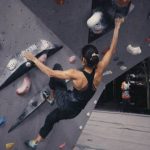

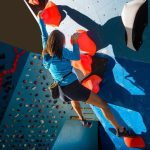
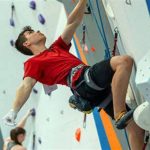
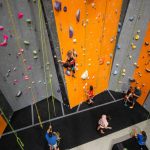

One of the foundational techniques we cover in our introductory climbing classes is the effective use of holds crafted by our skilled routesetters. Even if you’re the strongest climber in the gym, using holds incorrectly—like an undercling—can easily send you off the wall. Let’s explore some common climbing holds and how to utilize each one effectively.
Climbing Jugs
Jugs are universally beloved for their generous surface area and deep bucket shape that allows your fingers to sink in comfortably. The good news is there’s virtually no wrong way to use a jug. While they are plentiful in beginner routes, they become rarer as you tackle more challenging climbs, serving as prime resting spots during tougher routes.
Climbing Slopers
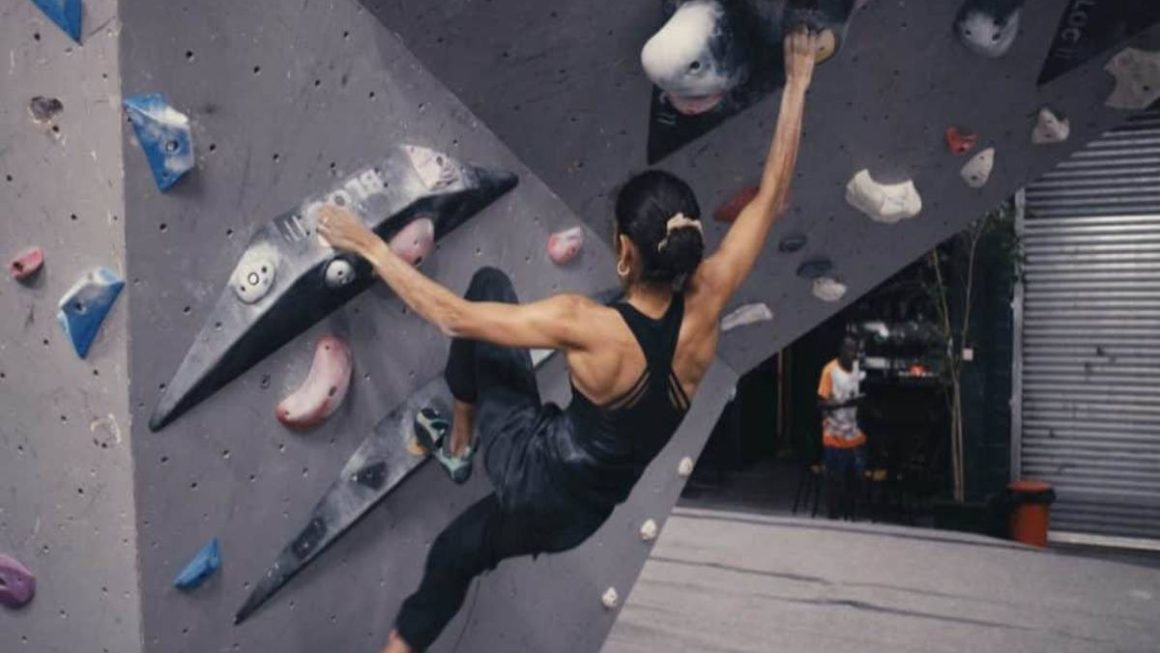
Now, envision your favorite jug but imagine it as a rounded hold filled with plastic—this is a sloper. Although not as inviting as a jug, mastering slopers can be highly rewarding. The key to success is positioning your body on the opposite side of the hold from your hand. Start by establishing your feet on the wall and grabbing the hold where it feels most secure. Think of your hand as resting on the North Pole; your body should be as far south as possible to maximize grip without slipping. For more insights, check out our video on sloper techniques.
Climbing Pinches
Pinches feature flat edges on opposite sides and demand a fair amount of grip strength. If you’re lacking in pinch strength, you may instinctively pull on one side of the hold, which isn’t ideal. Instead, engage your thumb and utilize a true pinch grip, allowing you to pull from any angle. When you grab the pinch, focus on activating your lateral and pectoral muscles as if you’re pulling your arm into your body. This will help maintain better elbow positioning to avoid flaring out. Choose the part of the pinch that feels most comfortable—smaller hands may prefer the narrower sections, while larger hands might opt for a wider grip.
Climbing Crimps (Edges)
Crimps, the smallest holds found in the gym, may initially seem usable only as foot placements. Despite their size, they are vital for progressing to more difficult grades. Crimping requires not only good hand strength but also an understanding of hand positioning. You can grip a crimp in two ways: an open crimp, where your fingers are nearly extended and your palms flat, or a closed crimp, with fingers bent and the thumb over the nails for extra support. While closed crimps offer greater strength, they can also increase the risk of finger injuries. Use closed crimps sparingly and focus on developing your open hand strength.
Climbing Pockets
Pockets are holds with holes that typically restrict finger placement. They vary widely, ranging from spacious, jug-like four-finger pockets to cramped, single-finger options. When engaging with pockets, proceed with caution. Utilizing fewer fingers for challenging moves can place considerable stress on the fingers that are actively gripping, leading to potential injuries. Whenever possible, aim to involve more fingers and ensure your feet are stable for better support.
By understanding these different types of holds and how to use them, you’ll enhance your climbing skills and navigate routes with greater confidence. Embrace each hold as an opportunity to improve, and watch as your climbing ability advances!