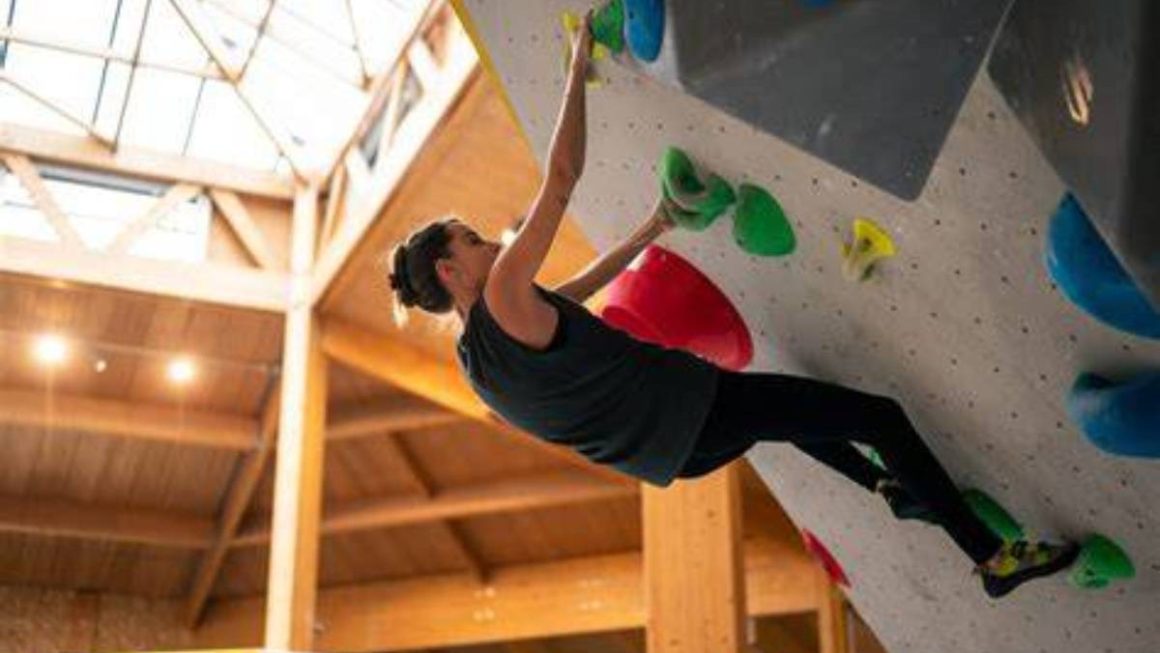






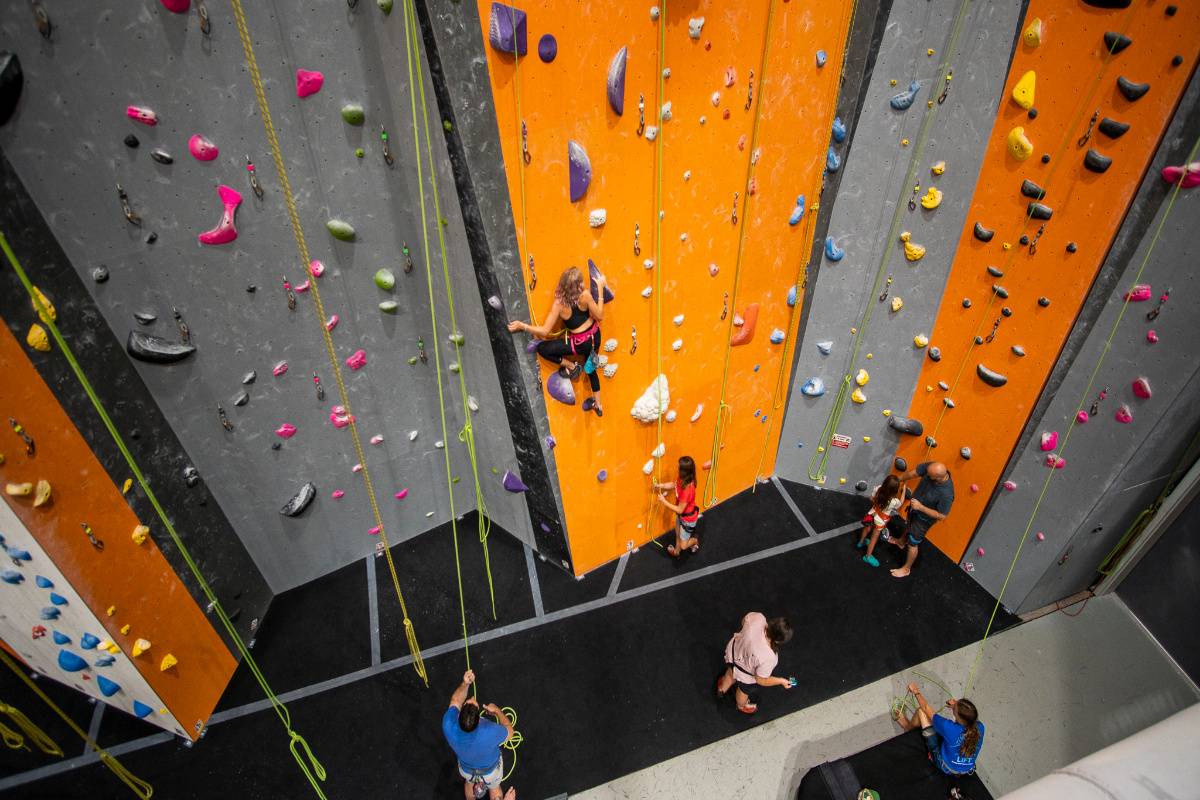
Climbing is a challenging and rewarding sport, pushing your body to adapt to constant stresses. At The Climb Clinic, we work with climbers of varied experience—from beginners to elite athletes. Over time, we’ve identified several common injuries that climbers face. Here are the five most frequent injuries we see, along with effective prevention strategies.
1️ Finger Pulley Strains
The Injury: Finger pulley strains are a prevalent issue for climbers, often occurring when the finger flexors are overloaded in crimp or halfcrimp grips, especially during fatigue or dynamic movements.
Prevention:
Start Light and Gradual: Begin with light openhand hangs on a fingerboard to warm up your fingers without strain.
Controlled Pulls: Perform fingerboard pulls with your feet on the ground. This controlled loading enables gradual strength building.
Vary Grip Positions: Rotate between openhand, halfcrimp, and pinch grips to avoid overuse injuries.
Engage in Traverses: Spend 5–10 minutes on traverses or spray walls to activate finger coordination. Movement RiNo’s traverse wall is great for this.
Recommended Classes: Climbing Foundations Clinic: Upper Body, Flow, or Power Flow.
2️ Elbow Pain
The Injury: Elbow pain can manifest as golfer’s elbow, tennis elbow, or climber’s elbow, typically due to excessive pulling or inadequate recovery.
Prevention:
Dynamic Mobility: Perform gentle warming movements for your wrists, elbows, and forearms to enhance blood flow and prepare for climbing loads.
Warm Up the Chain: Prepare adjacent joints like your wrists and shoulders to evenly distribute loads and reduce stress.
Build Strength & Load Tolerance: Gradually adapt your forearms to climbing demands through controlled load exposure and specific strengthening exercises.
Recommended Classes: Restorative, Slow Flow, or Yin Yoga; Mobility; Prehab/Rehab.
3️ Shoulder Impingement or Instability
The Injury: Shoulders often suffer from repeated overhead positions, causing pain linked to fatigue, lack of stability, or mobility restrictions.
Prevention:
Scapular Control: Activate your shoulder blades to stabilize the shoulder complex and enhance force transfer, protecting forearms and fingers.
Conscious Climbing: Maintain mindfulness about movement quality, particularly when tired, to prevent sudden joint stress.
Strength & Stability Training: Focus on improving mobility, strength, and stability to prepare your body for climbing loads and prevent injuries.
Recommended Classes: Functional Strength Training for Climbers, Climbing Foundations Clinic: Upper Body.
4️ Neck & Upper Back Tension
The Injury: Prolonged belaying or poor posture during pulls can lead to tightness and stiffness in the neck and upper back.
Prevention:
Overhead Mobility Checklist: Prepare for overhead movements to ensure efficiency in your shoulders, elbows, and neck, minimizing stress on smaller joints.
Upper Back Mobility: Enhance mobility in your upper back to improve posture and allow for efficient force transfer.
Shoulder Activation: Engage shoulder muscles before climbing to stabilize the joint and reduce strain during overhead movements.
Recommended Classes: Alignment Yoga, Calisthenics Club.
5️ Knee & Hip Tweaks
The Injury: These injuries often arise when the lower body is pushed into awkward positions, such as aggressive dropknees or high steps.
Prevention:
Drop Knee Drills: Practice drop knees to enhance hip rotation and body positioning, improving efficiency and conserving arm strength.
High Step Mobility: Increase hip and ankle flexibility to comfortably reach higher footholds without overextending your arms.
Lower Body Strengthening: Focus on building leg and glute strength for better upward movement, balance, and stability in challenging positions.
By understanding these common climbing injuries and implementing preventive strategies, you can enhance your climbing performance while minimizing the risk of injury. Prioritize strength and mobility training to enjoy a longer, healthier climbing journey!