

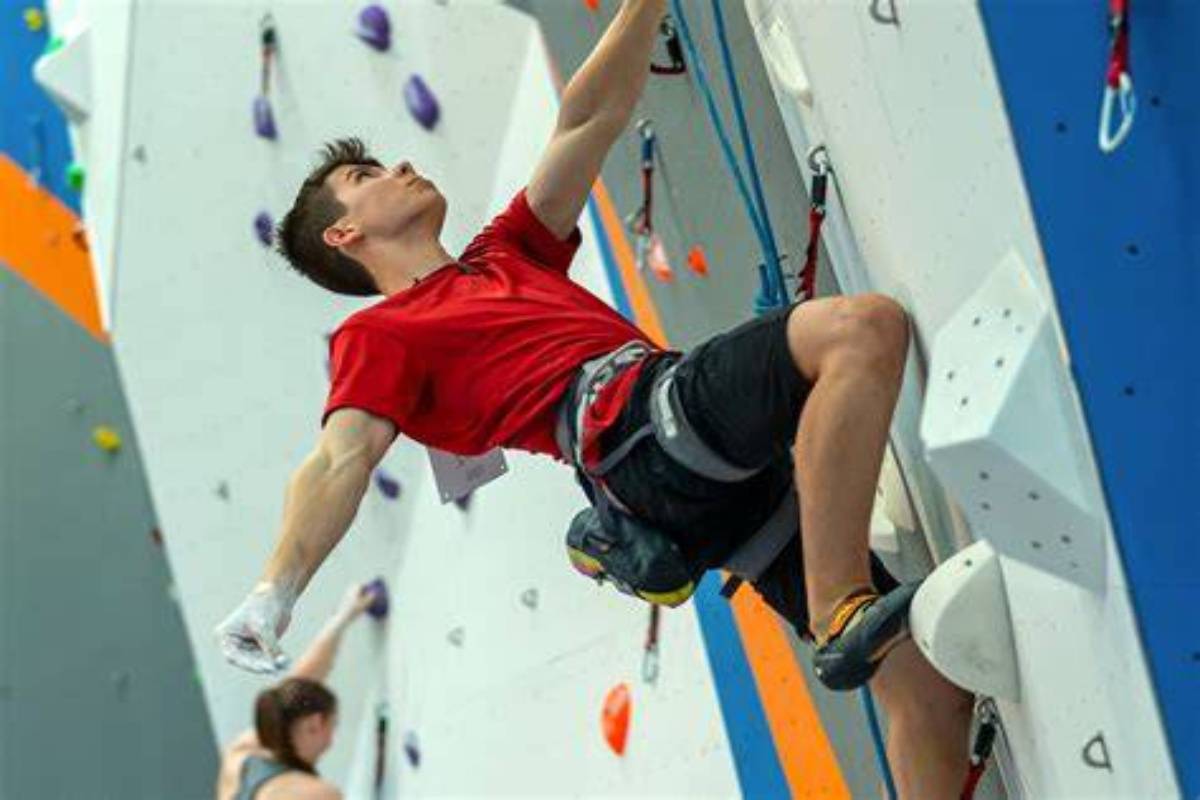
A recent survey revealed that a staggering 88% of routesetters have experienced overuse injuries at some point in their careers, with many reporting chronic pain that can persist for years. The most frequently affected areas include fingers and shoulders, with each receiving seven reports of injury. Elbow pain was noted by five respondents, while three individuals mentioned wrist discomfort. One notable case involved nerve pain in the arms and hands attributed to the impact vibrations from tools like impact drivers. Dr. Lajoie highlights the risks associated with prolonged use of such tools, recommending vibration-limiting gloves to mitigate nerve issues, especially when stripping large sections of climbing walls for competitions.
Traumatic Injuries Among Routesetters
While less prevalent than overuse injuries, traumatic injuries still pose a risk. Approximately 47% of survey participants reported having sustained a traumatic injury while working, with the ankle and fingers being the most commonly affected body parts. Dr. Lajoie found that hands and fingers accounted for the highest number of traumatic injuries, primarily occurring during the forerunning process rather than while setting holds. The leading causes of these injuries included falls, crimping, and heel hooking. Although it’s challenging to prevent falls entirely, proper warm-up routines can significantly reduce the likelihood of traumatic injuries.
Preventing Overuse Injuries
To minimize the risk of injuries, it’s crucial for routesetters to incorporate a 10-15 minute climbing-specific warm-up between setting and forerunning. While placing holds can serve as an aerobic warm-up, it’s essential to engage in exercises that gradually load the joints, tendons, and muscles for the specific demands of climbing. Below are targeted exercises focusing on the most commonly injured areas:
1. Fingers: Gradual Load Hangboarding
Start with both feet on the ground, using a hangboard where two pads of each finger can comfortably fit. Gradually increase weight through your fingers, holding for 10 seconds per set. Repeat this with a one-pad edge and a half-pad edge, completing three sets.
2. Shoulders: Overhead Mobility
Use a stick brush or PVC pipe held horizontally, bringing it over your head. Pull to the left and right, performing 10 repetitions while ensuring you return to the initial position each time.
3. Elbows: Weighted Pronation and Supination
Holding a 5-pound dumbbell, sit with your forearm supported and elbow at 90 degrees. Rotate your forearm inwards and outwards without moving your shoulder. Complete two sets of five rotations for each arm.
4. Wrists: Weighted Flexion and Extension
With your elbow slightly bent and supported, hang your wrist off a table with a 5-pound dumbbell. Perform wrist flexion and extension, executing two sets of five in each direction.
5. Upper Back Thoracic Mobility: Thread the Needle
On all fours, elevate one arm to expand your chest, then thread it under your body to the opposite side. Hold for 30 seconds and repeat two to three times on each side.
Maintaining Wellness During Forerunning
While warming up is vital, being mindful during the forerunning process can also help reduce injury risk. Keeping a journal or Excel sheet to track both work and personal climbing sessions can identify patterns of high volume or intensity. If you recognize a series of intense climbing days, consider deloading with options like maintaining the wall without setting or engaging in light wall maintenance.
Scanning your body throughout the workday is essential. Monitor for signs of fatigue, referring pain, or loss of power. Adjust your climbing activities accordingly—for instance, if a specific movement aggravates an old injury, seek alternatives. It’s crucial to communicate with coworkers about any adjustments needed for your well-being, as prioritizing health can enhance overall team productivity.
Taking breaks for hydration and nourishment can also aid recovery, allowing you to stay productive even when not actively climbing.
Post-Work Recovery
Incorporate a foam roller stretch for the chest muscles, which are often tight from climbing. Lie on the foam roller with your back flat, arms extended to the side, and hold the position for about 20 seconds. Gradually increase the arm angle to maximize the stretch, repeating through several positions over three minutes.
Spend 5-10 minutes stretching any muscle groups heavily utilized during the day, focusing on areas prone to injury. Tailor these routines to your specific needs; if certain exercises cause discomfort, modify or eliminate them as necessary. Everyone’s body is unique, so find the right combination to keep yourself healthy and climbing strong.
By prioritizing warm-ups, staying mindful of body signals, and engaging in regular preventative exercises, routesetters can maintain their health and longevity in the sport, contributing effectively to their teams without falling victim to injury.