








You’ve started a route only to realize it intersects with another climber’s line. You’ve stood frozen at a boulder’s base, working sequences mentally, while a queue formed behind you. These moments define the beginner experience—and they’re universal. Everyone started somewhere. If proper gym etiquette remains mysterious, consider this your field guide. Don’t self-flagellate over past missteps; simply absorb and apply.
Respect the Landing Zones
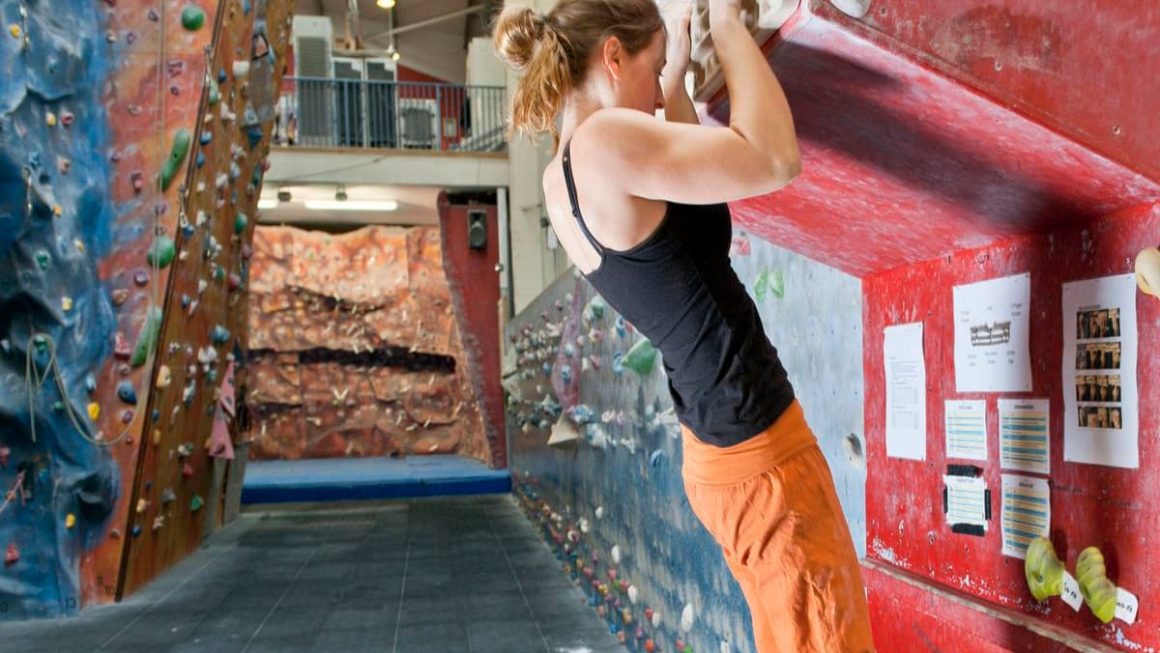
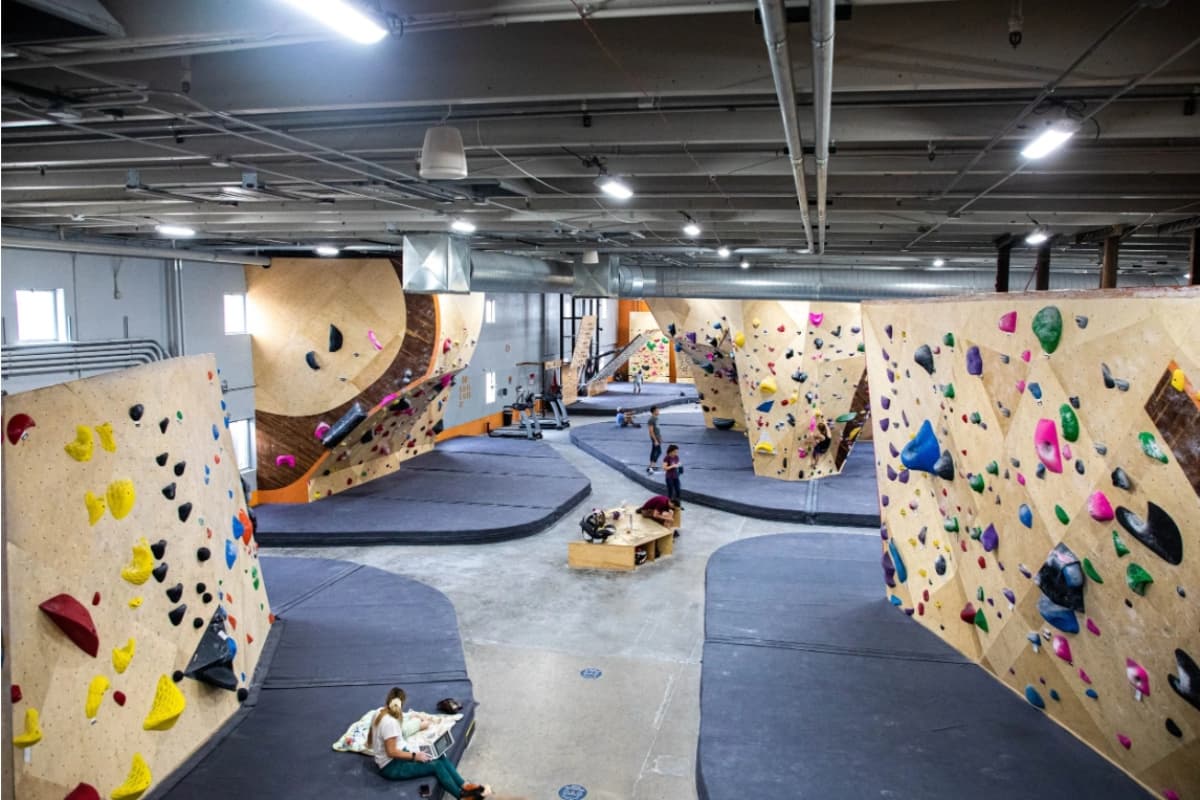
Bouldering demands communal awareness. Mats serve as social space—climbers sprawl, observe, project—but this congregation carries responsibility. Position yourself and your belongings well clear of potential fall trajectories. Water bottles, discarded shoes, chalk bags left in landing zones have caused genuine injuries: rolled ankles, bruised spines, entirely preventable casualties of inattention.
Route-reading requires similar spatial courtesy. Standing directly beneath a problem signals occupation to others. Step back, create obvious access, demonstrate that the wall remains available. And when you fall—rest. Immediate re-attempts deny both your own recovery and others’ opportunity to climb. The gym operates on shared time; generosity accelerates everyone’s progress.
Modulate Your Presence
Encouragement fuels climbing culture, but volume carries consequence. “You got it,” “come on,” “nice”—these need not penetrate entire gym floorplans. Excessive noise fragments others’ concentration, transforming support into disturbance. More egregious: the Bluetooth speaker. Under no circumstances. Dislike the gym’s playlist? Request changes or employ headphones. Your musical preferences remain precisely that—yours.
Maintain Hygienic Discipline
Chalk accumulation and skin oils degrade holds. Brush them post-climb—this preserves friction for subsequent users. Footwear cleanliness matters equivalently; remember where else your soles travel. Restroom visits demand shoe changes—always. Bacterial migration from bathroom floors to climbing holds constitutes genuine public health concern, not mere social faux pas. Barefoot gym wandering similarly violates basic sanitation; unknown foot histories traverse shared terrain.
Communicate with Precision
Peak hours generate chaos. Noise compounds, space compresses, accidents proliferate. When roped climbing, use your belayer’s specific name for all commands. “Take” and “falling” without identification risk mistaken execution—another party responds to their friend’s similar call, pulling your belayer off-task, or vice versa. Clarity prevents catastrophe.
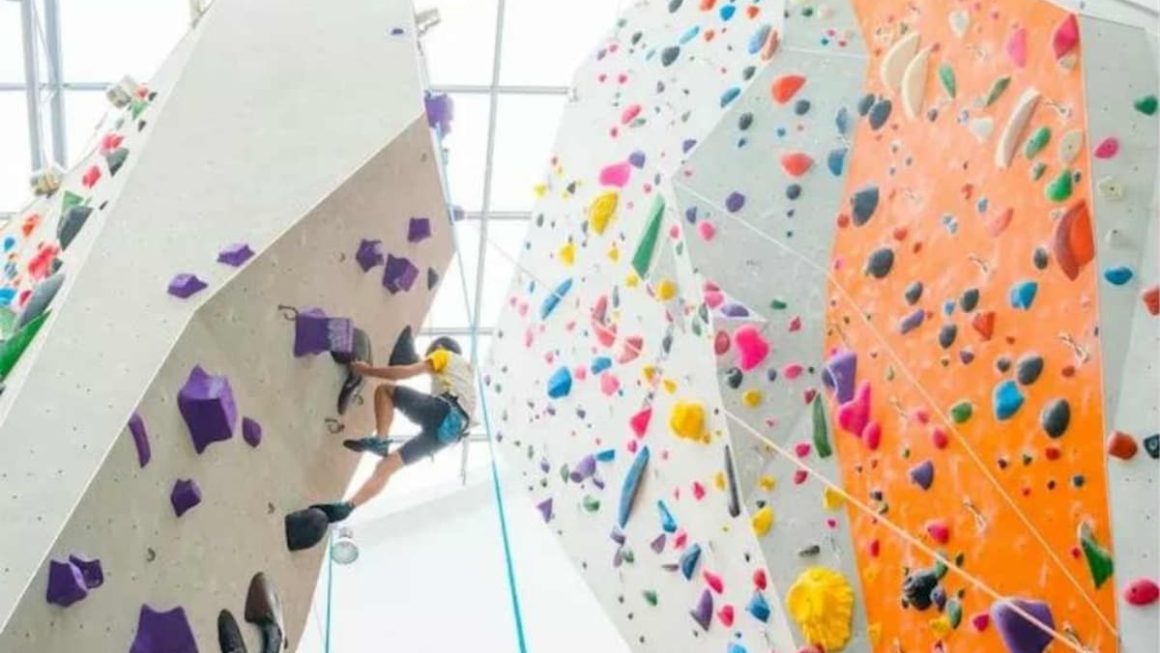
Spatial awareness extends to route proximity. If adjacent lines tempt you while another climber occupies neighboring terrain, wait or select alternatives at least one anchor distant. Close-climbing destroys experience for both parties—rope entanglement, falling rock collision, psychological pressure. Patience costs nothing; interference costs everything.
Stewardship as Standard
“Leave No Trace” applies beyond wilderness. Dangerous observations—a water bottle at bouldering base, stray gear creating trip hazards—demand intervention. Remove them. Relocate misplaced chalk bags, collect visible trash, deposit items appropriately even when ownership is unknown. Behavior modeling creates culture; visible responsibility generates imitation. Others climb better when you climb considerately.
Integration
Now equipped with knowledge, apply it. No beginner arrives fully informed—this is climbing’s nature. Hopefully you’ve encountered kindness in correction; extend that same grace to others. Share walls, silence speakers, maintain hygiene, communicate clearly, leave improvement in your wake. And throughout: enjoy yourself. Etiquette exists to facilitate collective experience, not eliminate joy. The wall rewards those who respect it together.