





A climbing harness has a simple purpose: keep you secure while feeling almost invisible during the climb. When the fit is right, you barely notice it. When it’s wrong, you notice it constantly. Anyone who has used a stiff or poorly fitting rental harness understands this immediately—pinching waist belts, leg loops that ride up while hanging, and bulky tie-in points can turn a normal session into an uncomfortable one. A well-fitting harness removes these distractions so you can focus on movement, breathing, and making good decisions on the wall. For climbers in the U.S.—especially those starting in the gym but hoping to climb outdoors later—the smartest approach is to choose a harness that balances comfort, durability, and versatility from the beginning.
Many climbers spend most of their time choosing shoes, but the harness has a bigger influence on safety routines and overall session quality. A properly fitted harness keeps the tie-in points and belay loop positioned where they should be, which makes belaying smoother and partner safety checks clearer. It also matters when you’re resting on the rope while working a route. If the harness distributes weight well, hanging for a few minutes feels manageable. If it doesn’t, even short hangs can become miserable. In other words, the harness is not just safety equipment—it directly affects how enjoyable your climbing sessions are.
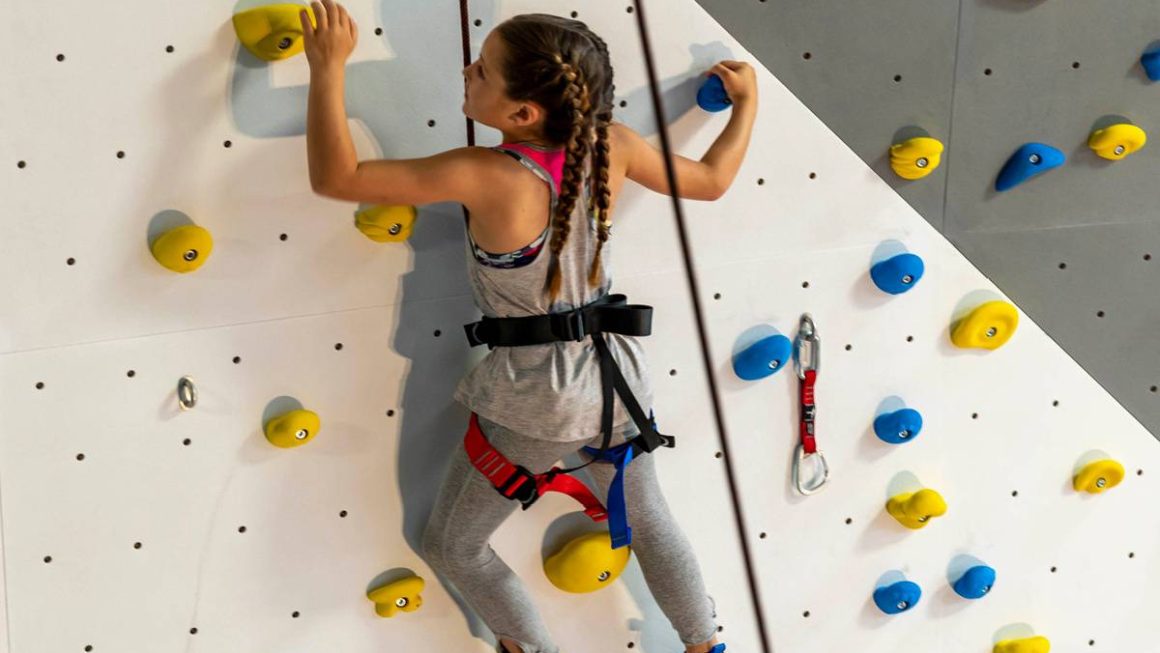
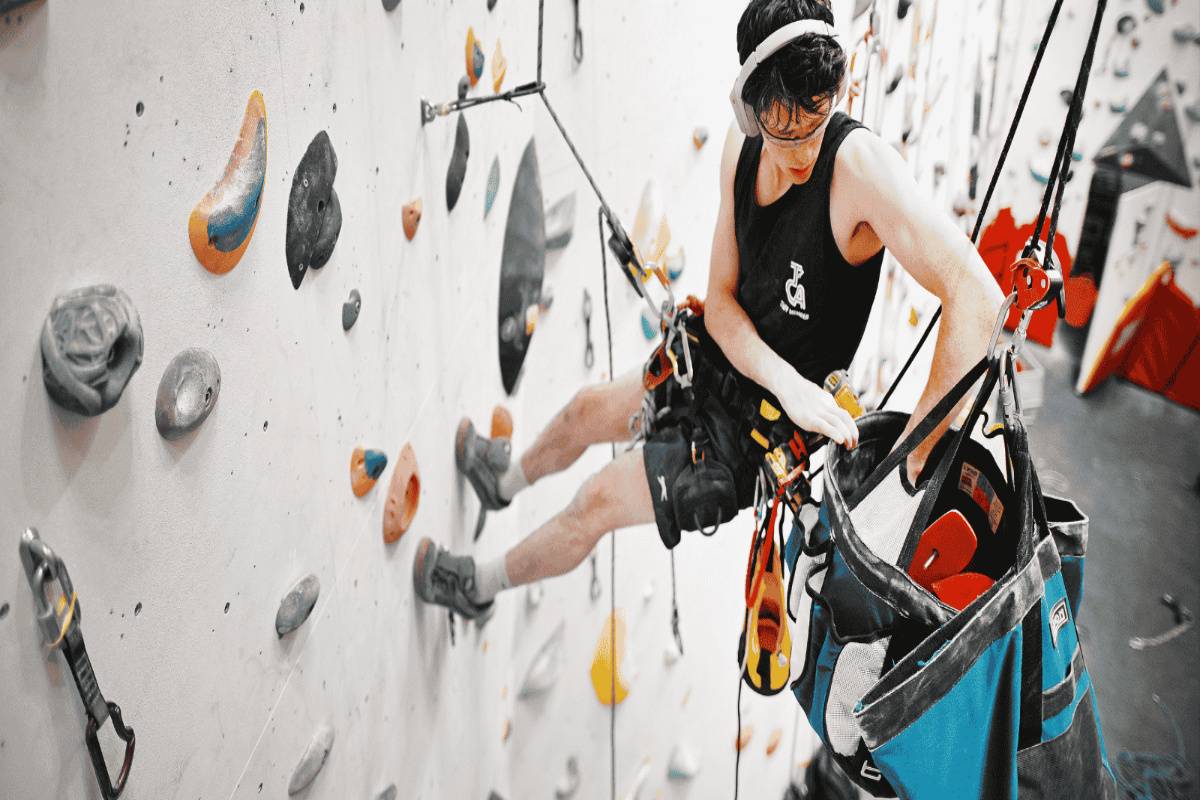
Understanding the basic structure of a harness makes it easier to evaluate different models. The waist belt carries most of your weight when the rope loads the system. Leg loops stabilize your body and support your thighs while hanging. At the center is the belay loop, the strongest connection point used for belaying and rappelling. The rope itself passes through reinforced upper and lower tie-in points. Most harnesses also include gear loops for carrying quickdraws, cams, or accessories, plus a small rear haul loop designed for lightweight items like a chalk bag or tag line. These elements appear on nearly every modern harness, but their shape, padding, and durability vary between models.
Fit is the most important factor when choosing a harness, far more important than brand or weight. The waist belt should sit above your hip bones and stay there when tightened. You should be able to slide a couple of fingers underneath it, but it should never pull down over your hips when weighted. Leg loops should feel snug while still allowing full movement—squatting, stepping high, and sitting in the harness should all feel natural. Body proportions also matter. Some climbers need a higher rise, which is the distance between the waist belt and the leg loops. If the belay loop sits awkwardly high or low when tied in, it often means the harness shape doesn’t match your body well. When testing a harness, it’s best to actually hang in it if possible. Standing in front of a mirror doesn’t reveal pressure points, but a short weighted hang will quickly show whether the harness distributes weight comfortably.
Different harness styles exist for different types of climbing, although many climbers start with a versatile option. All-around or gym harnesses are the most practical choice for most people because they balance comfort, durability, and price while still offering enough gear loops for occasional outdoor climbing. Sport climbing harnesses tend to be lighter and more streamlined, designed for climbers who spend long sessions projecting routes and hanging on the rope repeatedly. Trad and multi-pitch harnesses focus more on organization and support, usually offering additional gear loops and better comfort for long days carrying equipment. There are also women’s-specific and youth harnesses, which adjust proportions such as waist shape and rise to better match different body types.
Beyond fit and style, a few features are worth comparing before you buy. Some harnesses use fixed leg loops that are simple and lightweight, while others include adjustable leg loops that allow more flexibility when wearing extra layers outdoors. Most modern harnesses use speed buckles that tighten quickly and stay secure during a session. Padding is another factor—more padding improves comfort when hanging but adds a little weight. For most gym climbers, moderate padding provides the best balance. Gear loop layout may not matter much for indoor climbing, but it becomes important when carrying draws or trad gear outdoors. Finally, always look at the reinforcement around the tie-in points, since those areas experience the most abrasion over time.
A few common mistakes appear frequently when people buy their first harness. One is choosing a highly specialized or ultralight model designed for advanced climbing goals rather than current needs. Another is assuming that one brand will fit every body type the same way. Harness shapes vary more than many climbers expect, which is why trying several models usually leads to a better result. Climbers also sometimes forget that harnesses require regular inspection. The belay loop, tie-in points, and stitching should be checked often, because even the best gear eventually wears out.
For most beginners who primarily climb indoors, the ideal first setup is simple: a comfortable all-around harness paired with a chalk bag and chalk. If the gym allows personal belay devices, adding one can also be useful. More important than any accessory, however, is building consistent habits around partner checks and belay communication. A good harness should feel secure, supportive, and easy to forget once the climbing begins. When you find one that fits that description, it becomes a reliable piece of gear that supports both your safety and your progress on the wall.