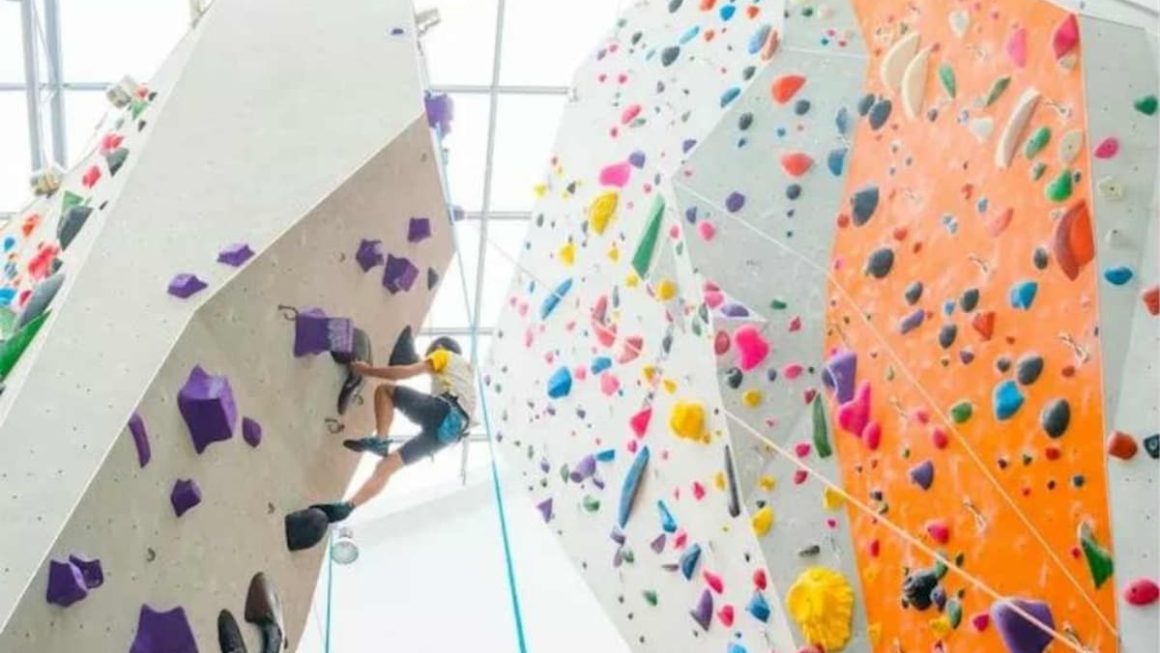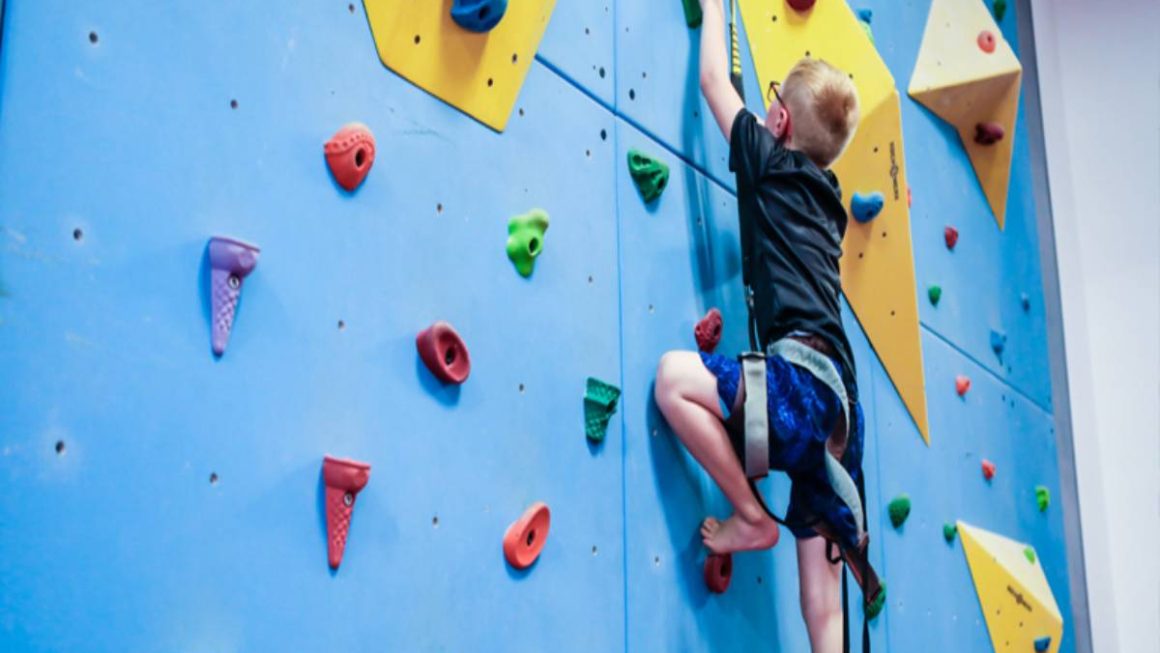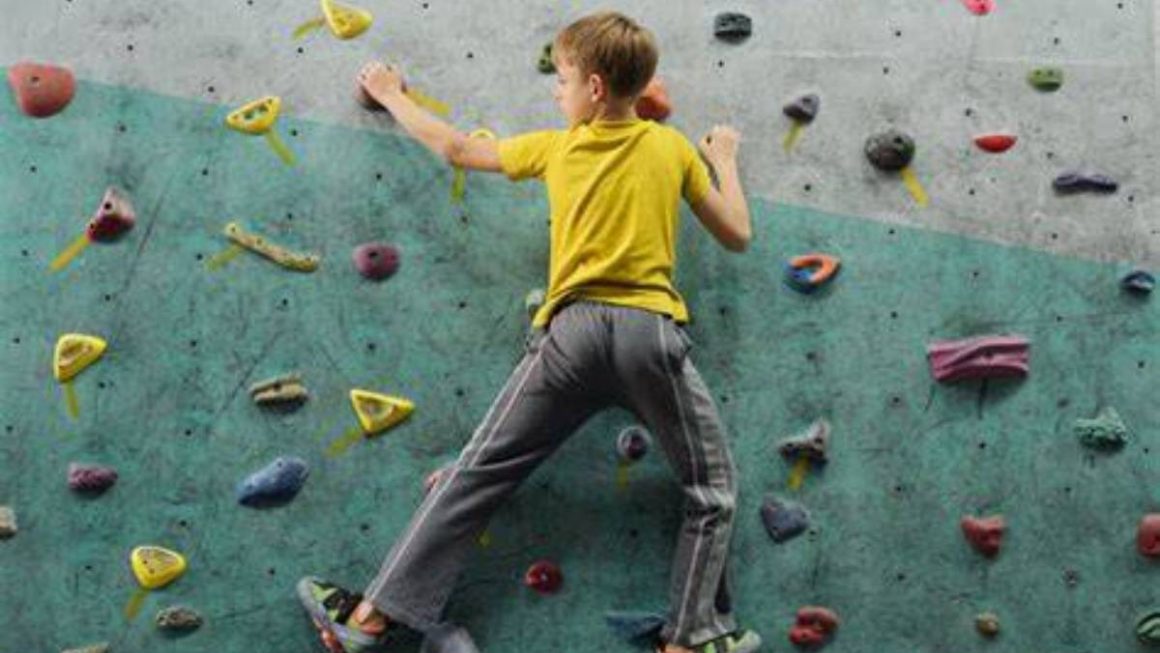


Great climbing isn’t just about strength. In fact, the biggest difference between average climbers and advanced ones is often efficiency. Climbers who move well waste less energy, stay calmer on the wall, and complete routes that feel impossible to others. Technique allows you to climb harder grades without necessarily becoming stronger. It also reduces fatigue and lowers the risk of injury.
Many climbers assume that getting better means building more upper-body power. While strength helps, movement quality matters far more. A climber sending V5 may actually be weaker than someone struggling on V3—they simply move smarter. They place their feet precisely, keep their body balanced, and plan each sequence before committing to it. Mastering these habits is the foundation of better climbing.
Efficiency: The Core of Good Technique
Efficient movement is the heart of strong climbing technique. The goal is simple: conserve energy while maintaining control. Your skeleton should support most of your body weight, while your muscles handle balance and movement.
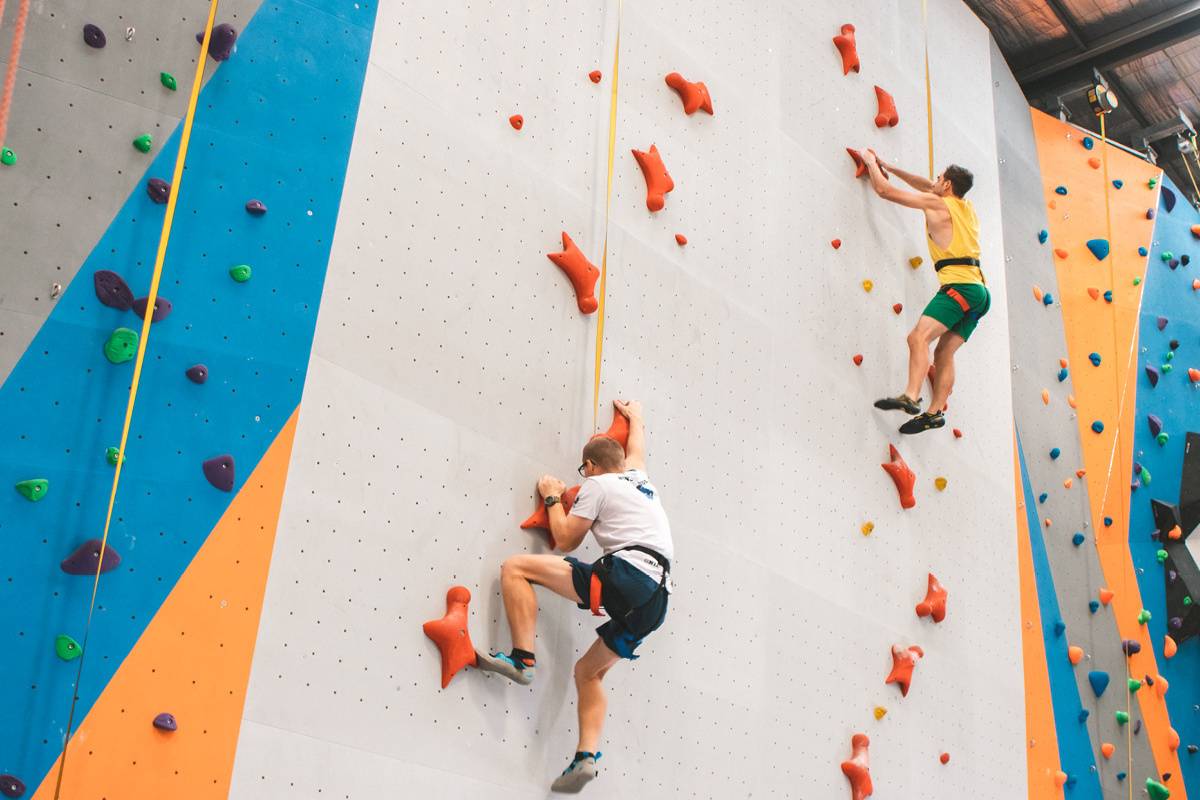
This is why experienced climbers spend so much time hanging with straight arms. When your arms are straight, your bones carry the load and your muscles can relax. Bent arms, on the other hand, constantly engage the biceps and forearms, which leads to quick fatigue. Beginners often climb with permanently bent arms, essentially doing a series of pull-ups. Skilled climbers rely on their legs and body position instead.
Efficiency also keeps your body healthier. When movement is controlled and balanced, joints and tendons experience less stress. Over time this means fewer overuse injuries and more consistent training days.
Footwork: The Foundation of Strong Climbing
If there is one area that transforms a climber quickly, it is footwork. Your legs are significantly stronger than your arms, yet beginners often ignore them and try to pull themselves up the wall. Good climbers do the opposite—they stand up through their feet and use their arms mainly for balance.
Precise foot placement is the first step. Each foothold should be placed deliberately using the front edge of the climbing shoe. Sloppy footwork wastes energy and forces unnecessary adjustments. A useful concept many climbers practice is “quiet feet.” When your shoes scrape or tap against the wall, it usually means you are placing them carelessly. Silent foot placement forces you to look at the hold, aim carefully, and commit to the position.
Trusting your feet is equally important. Many beginners hesitate to fully weight small footholds, relying instead on their arms for security. This habit quickly pumps the forearms and makes climbing feel far harder than it should. Learning to stand confidently on footholds—even small ones—allows your legs to drive upward movement while your arms remain relaxed.
Body Position and Straight Arms
Body positioning determines how efficiently your strength is used. One of the most important habits in climbing is maintaining straight arms whenever possible. Instead of pulling upward like a pull-up, focus on pushing with your legs while your arms guide balance.
Keeping your hips close to the wall is another key principle. When your hips drift away from the surface, your body weight shifts onto your arms, increasing fatigue. By keeping your center of gravity close to the wall and using your core to stay stable, each movement becomes lighter and more controlled.
Proper positioning also prevents the common “barn door” effect, where your body swings sideways away from the wall. Strong core engagement and thoughtful foot placement keep your body balanced and aligned over your footholds.
Reading Routes Before You Climb
Climbing technique isn’t purely physical—there is a strategic side as well. Good climbers analyze routes before leaving the ground. This process, known as route reading, involves studying hold shapes, spacing, and possible sequences.
Every route has a natural flow designed by the route setter. Certain holds suggest a particular direction of movement or body position. By examining the route in advance, you can plan hand and foot placements, identify difficult sections, and locate rest positions.
With experience, climbers learn to think several moves ahead while climbing. Instead of reacting to each hold as it appears, they anticipate upcoming sequences and adjust their body position early. This forward planning keeps movement smooth and controlled.
Common Technique Mistakes
Even dedicated climbers sometimes fall into inefficient habits. One of the most common is over-gripping. Beginners tend to squeeze every hold as tightly as possible, which quickly exhausts the forearms. In reality, most holds require far less grip strength than people assume. Relaxing your hands whenever possible can dramatically extend endurance.
Another frequent mistake is ignoring rest opportunities. Routes often include larger holds or stable positions designed for recovery. Taking a moment to shake out your arms during these sections can make the difference between finishing a route and falling near the top.
Climbing constantly with bent arms is another major energy drain. While some moves require arm strength, the default position should always return to straight arms. Similarly, careless foot placement or poor body positioning can make even easy routes feel unnecessarily difficult.
Technique Drills That Actually Work
Improving technique requires deliberate practice. One effective drill is climbing easy routes while focusing on completely silent foot placements. This develops precision and forces you to look at every foothold. Another useful exercise is straight-arm climbing, where you intentionally keep your arms extended and rely on your legs for upward movement.
Down-climbing is another underrated training method. Descending a route demands controlled movement and precise footwork, making it excellent for developing balance and coordination. Climbers can also practice “hover hands,” pausing briefly before grabbing each hold to reinforce careful movement planning.
For more advanced climbers, limit bouldering—repeatedly working on extremely challenging moves—helps expand movement skills and problem-solving ability.
Climb Smarter, Not Just Stronger
Ultimately, better climbing comes from smarter movement rather than brute strength. Precise footwork, efficient body positioning, and thoughtful route reading allow climbers to conserve energy and move with confidence. Strength will always play a role, but technique determines how effectively that strength is used.
By focusing on these fundamentals and practicing them consistently, climbers often discover that routes once considered impossible suddenly become achievable. The wall hasn’t changed—but the way you move on it has.