




The Dutch National Climbing Center (NCC), part of the Climbing Network chain, is currently under construction in Nieuwegein and is set to open in phases throughout 2026. Owned by Johan Cave, Leopold Roessingh, and Frederick Houtenbos—active directors involved in the center’s operations—the NCC aims to establish itself as a premier climbing destination. Originally founded as Cave Outdoor in 1986, the organization transitioned from its roots in alpine sports to focus exclusively on climbing when it opened its first indoor gym in 1994.
The original gym, built in 1995, closed at the end of 2025 to make way for this new facility, strategically located just a stone’s throw away. Planning for the NCC began nearly a decade ago but was paused due to the COVID pandemic. Houtenbos remarked that construction resumed only after achieving business stability, with groundbreaking taking place on May 7, 2025. The gym will open in phases, starting with 28 top rope and lead climbing lanes, along with an introductory bouldering section. More features will follow in the coming months, with full operations expected by spring.
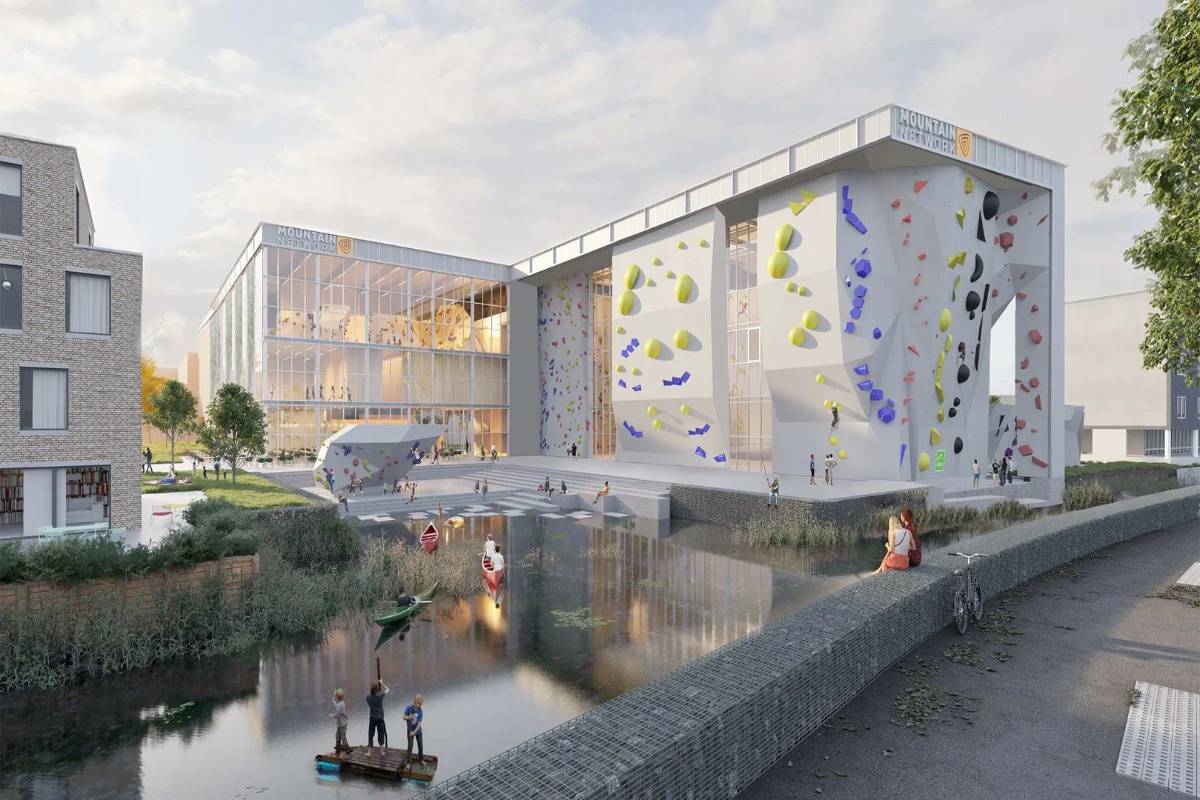
At the NCC, climbers can look forward to outdoor bouldering and lead climbing, with much of the indoor climbing visible from the exterior. A hiking trail will connect the center with its surrounding area, adding to its accessibility. Centrally situated in the Hoeverijk District, the location was chosen through extensive planning and collaboration with the government, aligning with Climbing Network’s goal of creating a flagship facility. Designed for easy access via Amsterdam’s airport and rail system, the NCC also serves as a sound barrier between residential areas and nearby commercial spaces.
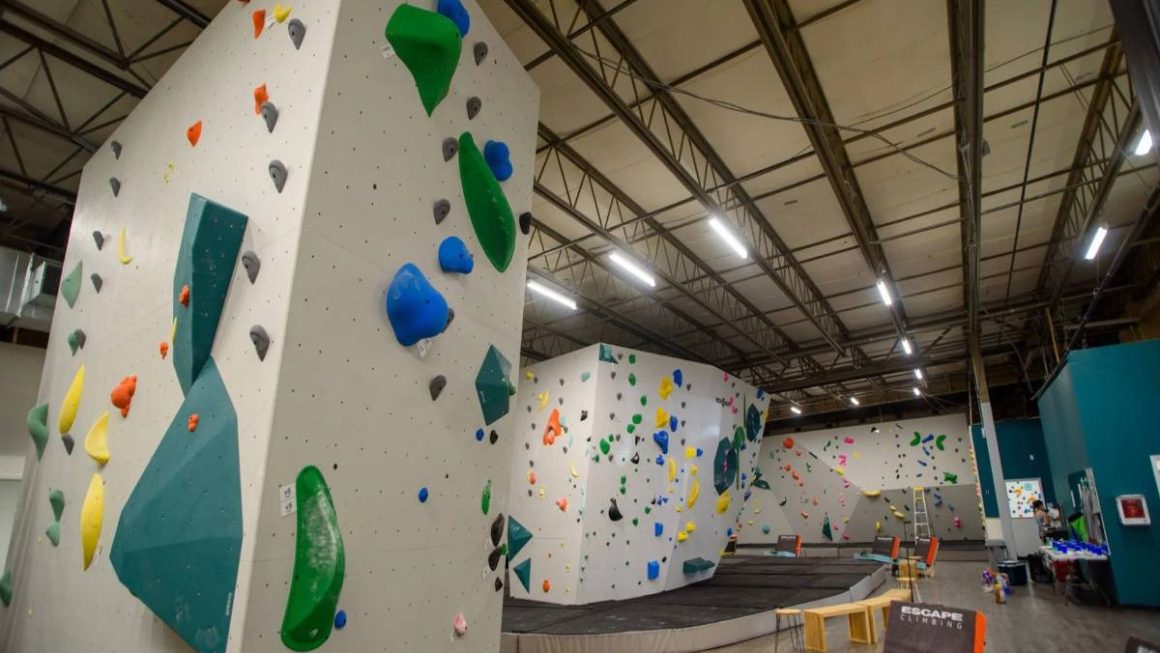
When completed, the gym will span 5,100 square meters (54,896 square feet) with over 5,500 square meters (59,202 square feet) of climbable surfaces, including an outdoor wall, 27 auto belay lanes, and bouldering terrain featuring lead walls up to 18 meters (59 feet). Additional amenities will comprise specialized training zones with spray walls, two Kilter Boards, and an Olympic-style bouldering wall aimed at both elite athletes and aspiring climbers. The initial opening will focus on the ground floor’s top rope and lead climbing features, and the main climbing and training sections will follow.
The NCC will foster an inviting atmosphere through its spacious layout and abundant natural light, making it feel open and welcoming. Recognizing retail, food, and hospitality as integral to the climbing experience, the facility will include a gear shop featuring La Sportiva and Petzl products, an in-house restaurant, and an athlete residence accommodating Dutch and international climbers. The restaurant will be particularly large, reflecting the NCC’s expansive scale, while the dedicated guest house will host approximately 20–23 beds primarily for international teams.
For Climbing Network, the NCC project marks the start of a broader transformation, aiming to develop more gyms that cater to various climbing disciplines under one roof. While bouldering has seen significant growth in the past decade, the company remains committed to lead climbing, seeking to create a balanced environment that attracts new participants while challenging seasoned climbers. Houtenbos emphasizes the importance of sustainability in the business model, ensuring it remains viable for years to come.
As excitement builds for the National Climbing Center, it promises to become not only a thrilling destination for climbers but also a community hub that engages and inspires climbing enthusiasts from across Europe and beyond.