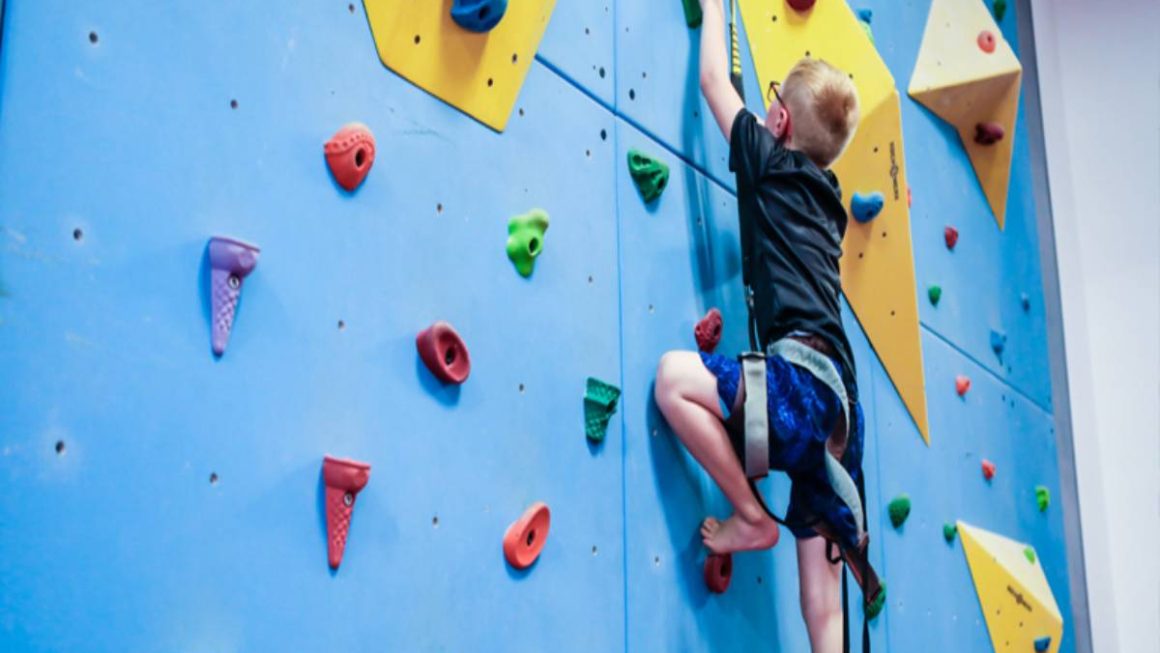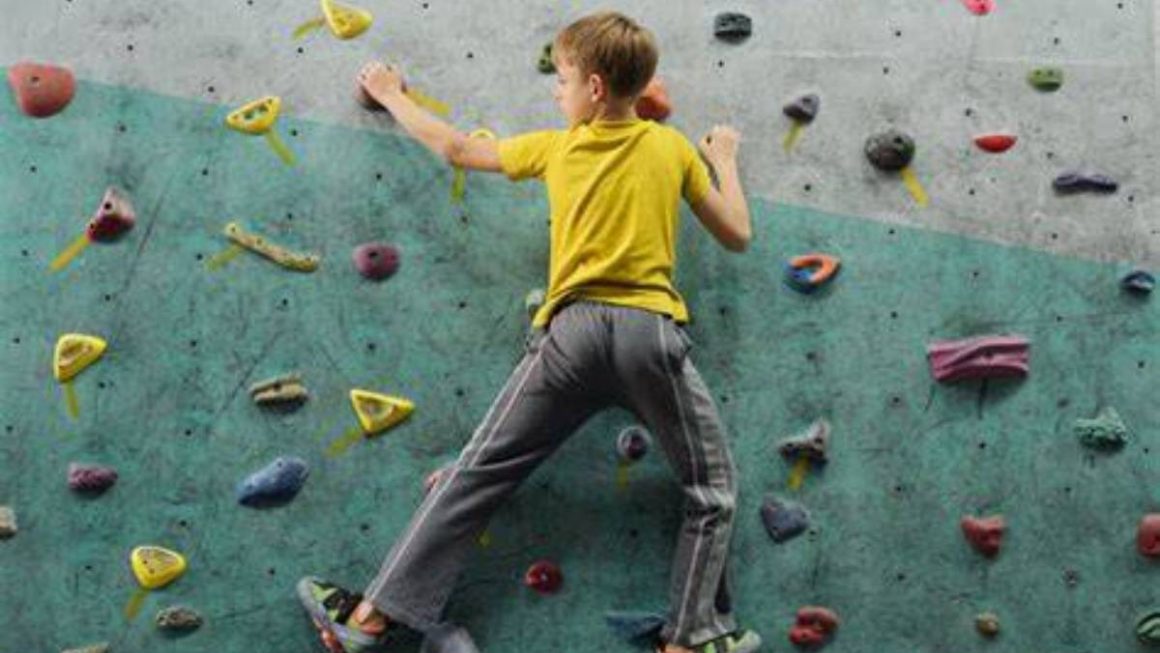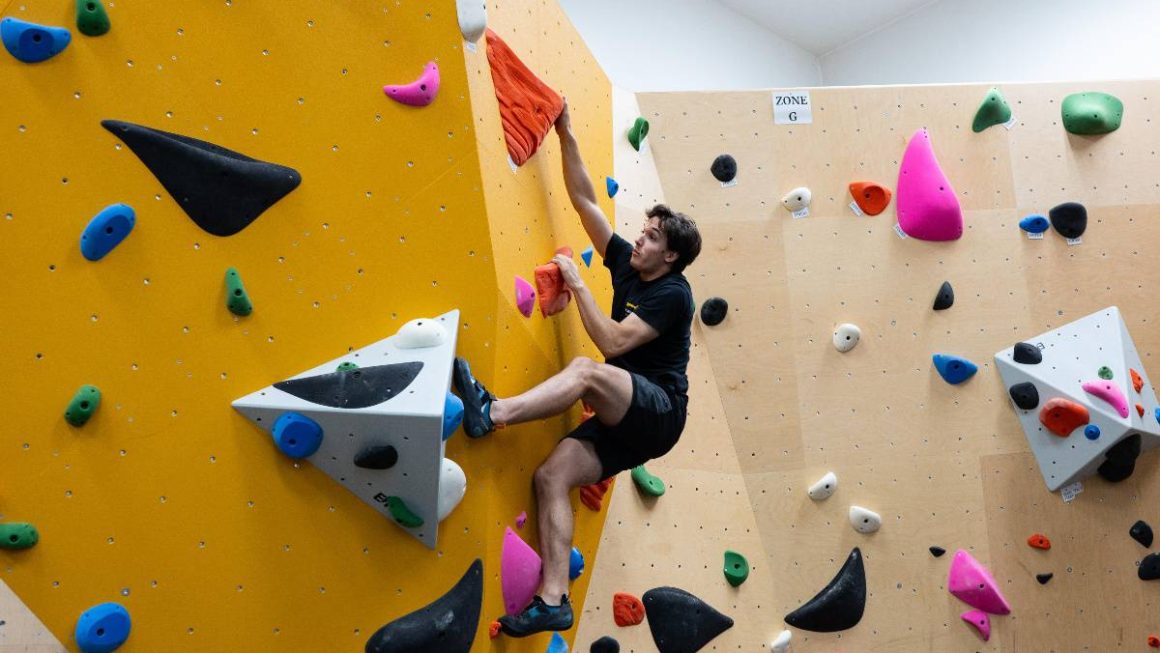



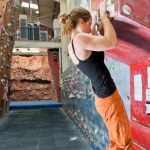

The default pattern: grab holds, fail two moves in, drop, declare insufficient strength. Sometimes accurate. Usually wrong.
Rapid improvement demands pre-departure planning—transforming random attempts into intentional execution. This is route reading: constructing movement sequences, body positions, recovery points, and contingencies before leaving the ground.
The Five Critical Questions
Effective preview answers: Where does difficulty concentrate? What exact hand and foot sequences precede and follow this crux? Where can I recover? Which moves demand full commitment without hesitation? What alternative exists if primary sequencing fails?
This isn’t intuition—it’s trainable capability supported by research on gaze behavior, movement fluency, and execution quality.
Challenging the Default Assumption
The pervasive lie: “Just start climbing and adapt.” Natural-feeling, especially for novices. Also wasteful—consuming attempts, skin, energy without proportional return.
A 2017 PLOS ONE study (18 climbers, 10-meter route) demonstrated that preview strategies directly influenced ascent outcomes. Key conclusion: route previewing facilitates functional information acquisition. Superior movement begins before movement itself.
Evidence-Based Performance Impact
Route reading constitutes concrete performance skill, not abstract technique. A 2024 embodied planning study (Frontiers in Psychology) identified significant correlation between visual pre-planning and motor performance (rho = 0.796, p = 0.001). Planning quality and execution quality move together.
Competition environments amplify this relationship. IFSC Boulder Finals enforce four-minute windows; federation documentation explicitly references mat-time allocation for route reading and rest decisions. Clock pressure makes preview efficiency mandatory at elite levels.
Value Across Experience Levels
New climbers benefit through reduced random errors, diminished mid-route panic, accelerated skill acquisition. Regular climbers gain through fewer wasted attempts, improved projecting, superior session pacing. Modern indoor climbing’s expanding participation—over 20,000 respondents in CWA’s 2019 North American survey with 2026 benchmarking underway—increases the importance of skill differentiation. Route reading provides clear signal amid noise.
The Pre-Climb Framework
Deploy in under ninety seconds for boulders, two to three minutes for rope routes.
Start and Finish Constraints: Identify exact hand, foot, and body orientation requirements. Many failures stem from violating these parameters or misunderstanding spatial demands.
Hold Role Mapping: Categorize by function rather than appearance—pull holds, directional forces, hip stabilizers, feet enabling subsequent hand movements, deceptive options that appear attractive but perform poorly. Research confirms that attention allocation to critical holds correlates with success; attention to deceptive holds predicts worse outcomes.
Crux and Setup Identification: Locate the hardest move, then immediately identify the preparatory position. Rushed setup guarantees crux failure. Determine required body position, essential foot weighting, and breathing location before commitment.
Integrated Hand-Foot Sequencing: Avoid hand-only reading—a common beginner error causing mid-move improvisation and over-gripping. Articulate paired movements: “right hand pinch, left foot high smear; left hand sidepull, right foot flag.” This reduces cognitive load during execution.
Rest and Reset Markers: Route reading encompasses pacing, not merely difficulty solving. Identify shake-out locations for composure recovery—even brief ones in short boulders, comprehensive mapping in rope routes. Research with 44 competitive climbers demonstrated that faster performers accelerated specifically through crux sections, not globally—strategic conservation and acceleration both matter.
Contingency Construction: Establish immediate alternatives if primary sequencing fails. Missed deadpoint: intermediate bump and foot reset. Barn-door risk: outside flag insertion. Tension loss: down-climb for re-centering. Without Plan B, single failures become complete burns.
First-Try Commitment: Execute fully through initial sections. Partial commitment corrupts feedback—hesitation prevents distinguishing beta failure from execution failure.
Developmental Progression
Level 1 (Color Follower): Pursues obvious holds without crux prediction or foot planning.
Level 2 (Sequence Guesser): Identifies likely hand path while missing body position requirements, failing at transitions.
Level 3 (Functional Reader): Interprets hold roles and body direction, predicts crux and setup, deploys fallback options.
Level 4 (Adaptive Reader): Rapid initial planning, single-attempt updating, fast discrimination between route and execution issues.
Quarterly objective: consistent Level 3 operation.
Common Errors
Reading exclusively from eye level—walk laterally, change angles, reveal hold features invisible from fixed positions. Ignoring feet until mid-route—reactive footwork forces upper body overwork; prioritize foothold identification around crux zones. Over-reading and under-climbing—preview should be structured and brief; six minutes theorizing a V2 indicates dysfunction. Absent post-attempt debrief—answer three questions after each try: what plan elements functioned, where execution broke, what single change enters next attempt. No debrief, no learning loop.
Training Integration
30-Second Read, One Attempt: Select onsight-level boulder, read in thirty seconds, single attempt, immediate debrief. Objective: decision speed under pressure.
Silent Beta Walkthrough: Mime hand-foot sequence on ground before physical execution. Objective: body orientation mapping prior to movement.
Crux Isolation Preview: On rope routes, deeply preview only four to six moves surrounding crux. Objective: quality concentration over quantity coverage.
Partner Prediction: Each predicts other’s beta and probable failure point before attempting. Objective: pattern recognition through externalization.
Competition Insights for Regular Sessions
Elite climbers preview under strict constraints; recreational climbers enjoy unrestricted advantage. IFSC and national systems tightly control observation because preview quality constitutes genuine competitive edge. As U.S. coach Meg Coyne observed: creative, intuitive, improvisational athletes typically excel. World Cup walls unnecessary—repeatable pre-climb process sufficient.
Implementation Metrics
Track for four to six weeks: first-try high point or moves completed, attempts required for send, unplanned hesitations per attempt. Improvement across all three indicates reading development.
Final Orientation
When progress stalls, strength training isn’t the automatic response. First, repair information processing before departure. Read better, climb cleaner, send sooner—then construct strength upon that foundation.