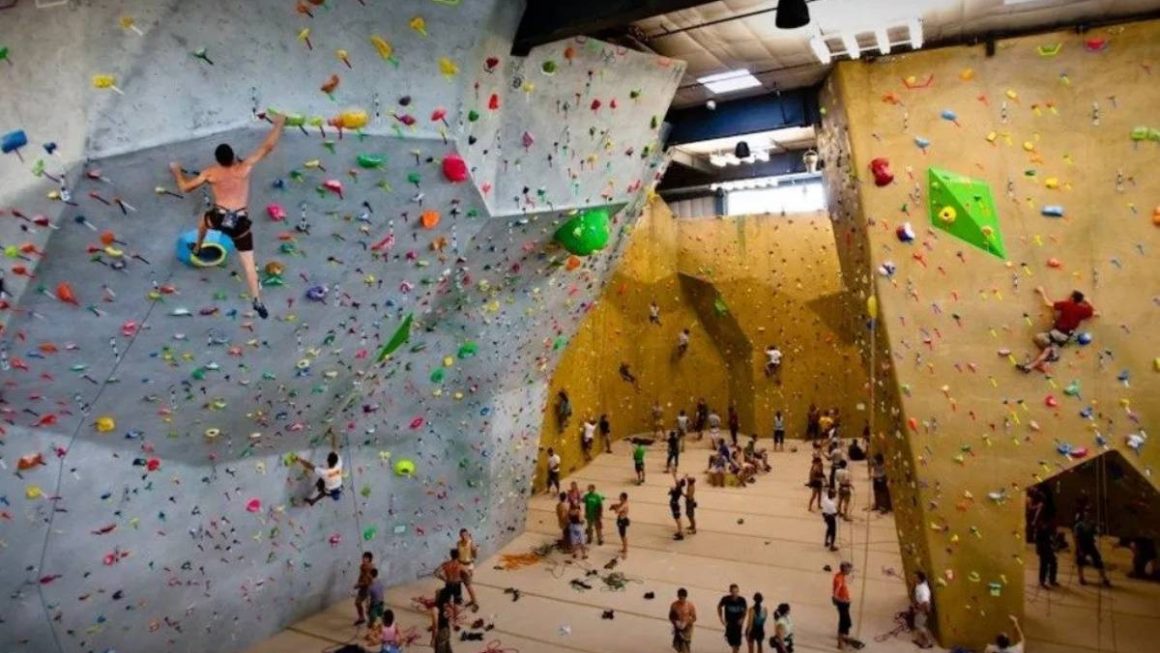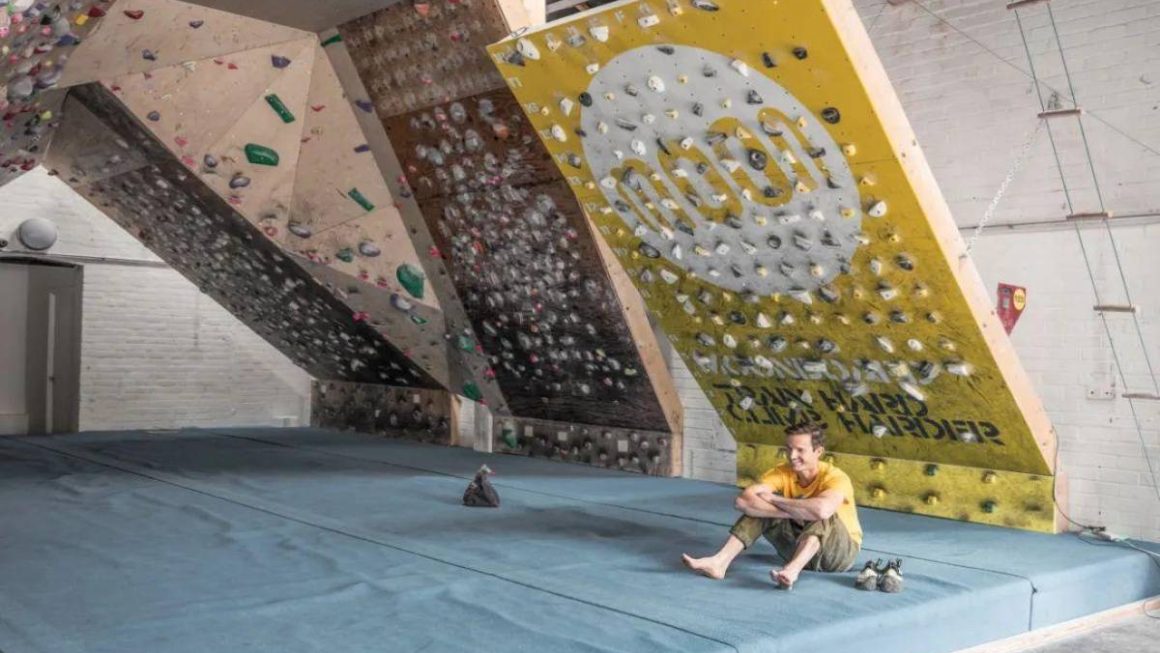

Caught the climbing bug? Good. Now let’s talk about transforming that enthusiasm into genuine capability—building strength that serves your climbing rather than merely inflating your ego.
The path from novice to competent climber runs through consistency and intelligent practice. Before you realize it, “beginner” will no longer describe what you do.
Technique First, Muscle Second
Watch elite competition climbers—World Cup veterans, Olympic athletes. Notice anything? They don’t resemble bodybuilders. They carry the lean, economical build of specialists who have optimized movement over mass.
Raw strength without control and body awareness is dead weight. You can pull until your arms fail, but if poor footwork and inefficient positioning burn your energy before the summit, strength becomes irrelevant. The wall rewards those who move intelligently, preserving resources through precision rather than expenditure through force.
Drill this into your nervous system: silent feet—climb without sound, forcing deliberate placement and confidence; flagging—outside, inside, back flags on every step until they become automatic; straight arms—stand through your feet, letting legs drive upward rather than arms pulling. These aren’t exercises. They’re the foundation of efficient climbing.
Climb to Build, Build to Climb
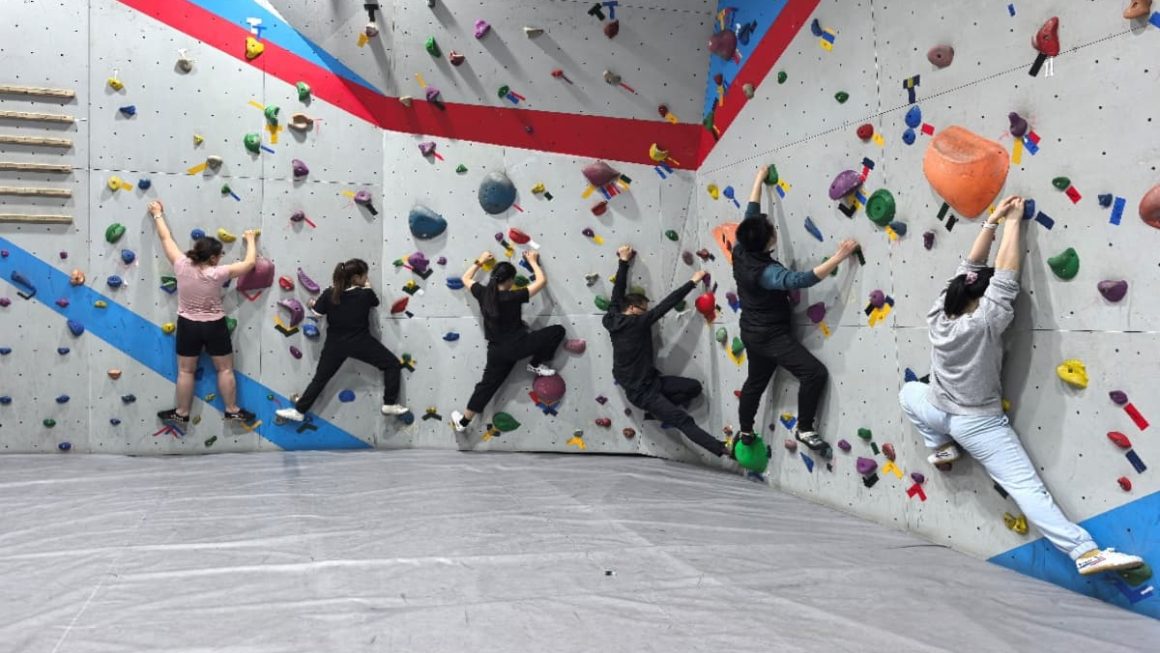
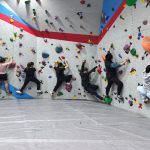
The most effective strength training for beginners is climbing itself. No supplementary gym work matches the specificity of time on the wall. Traverse circuits develop endurance and technical understanding simultaneously—sideways and downward movement teaches foot placement and body mechanics in ways upward climbing cannot. Find manageable routes and climb them continuously, up and down, until your aerobic capacity and breathing control expand to match your ambition.
Core as Connection
Your core links hands and feet. Neglect it and you leak energy with every move. Practice keeping hips close to the wall regardless of angle—this reduces arm demand and extends your effective climbing time. Develop lock-off strength—the capacity to hold and control movement slowly. Speed isn’t the goal; the ability to move deliberately, reaching the next hold with precision rather than desperation, marks the transition from struggling to climbing.
The Discipline of Recovery
Enthusiasm outpaces tissue adaptation. Your skin develops calluses only during rest, not through constant abrasion. Two to three sessions weekly suffice for meaningful progress. The remaining days target antagonistic muscles—pushing muscles like chest, triceps, forearm extensors—that climbing neglects. Legs, though used on the wall, benefit from dedicated strengthening. Remember: recovery constitutes training. Progress happens during rest, not merely effort.
Consistency Through Joy
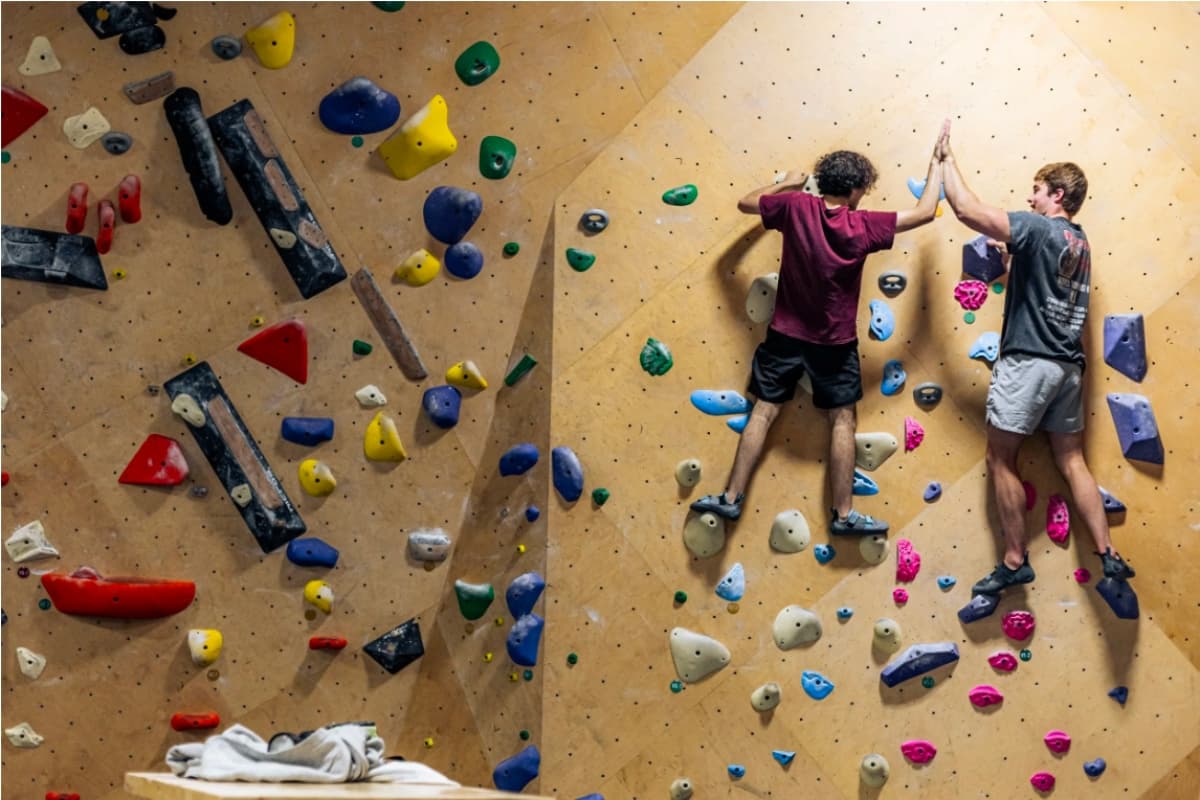
Celebrate incremental victories—new grips mastered, techniques executed, fitness marginally improved. Set concrete goals: flash a V2, maintain three weekly sessions. Climb with partners; social pressure accelerates learning and elevates performance.
But never lose the thread. You began climbing for enjoyment. When improvement becomes obsession and sessions feel obligatory, something essential has been lost. Not every climb will leave you grinning, but maintain perspective on what this sport contributes to your life. We grow serious about improvement easily; maintaining lightness while pursuing excellence is the advanced skill. Step back occasionally. Remember why you touched the wall in the first place.