








While it may sound provocative to claim that shorter climbers excel in dynamic climbing compared to their taller counterparts, there are valid reasons behind this belief. Longer limbs may physically reach farther, but they often require greater effort to perform dynamic moves. On the other hand, climbers like me, who stands at **5’3”**, may struggle with static reach but can harness agility and mobility to our advantage. Developing the skill to execute dynamic movements is essential for climbers of all sizes. Here are four key principles to master dynamic climbing.
1. Mastering Flagging
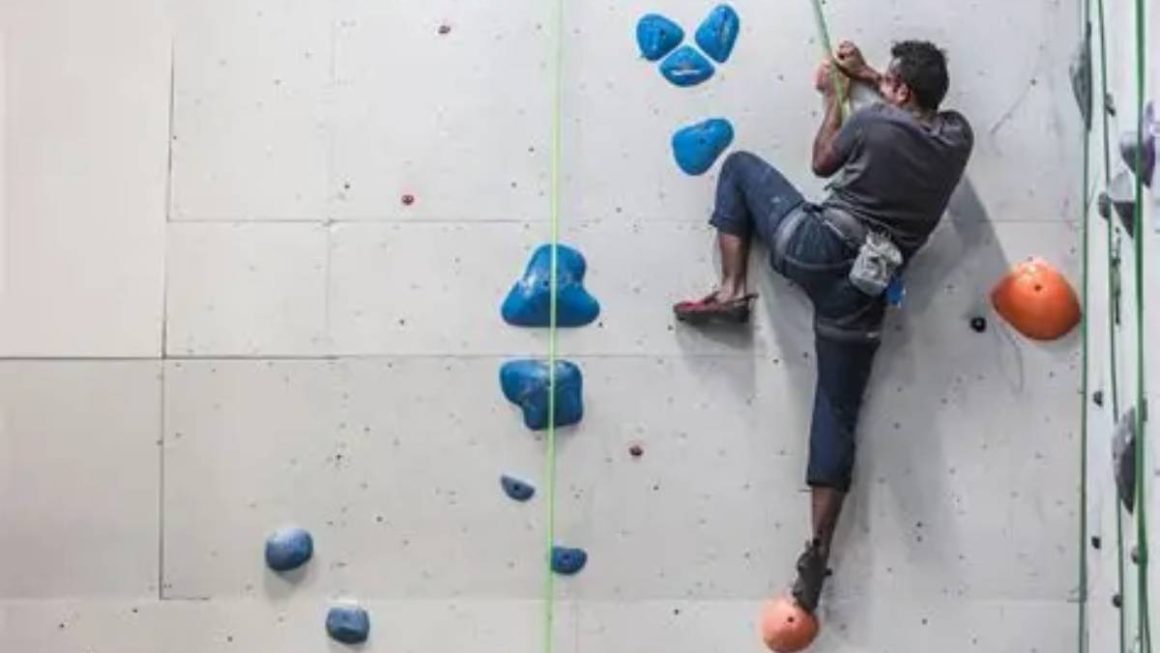
Flagging involves moving one foot to the side, creating a counterbalance that enhances stability. This technique is crucial for maintaining tension while engaging your core—a vital component in climbing. Unlike static climbing, where the flagged leg typically remains straight, you should bend it during a dynamic move and straighten it as you ascend. This not only keeps your body close to the wall but also increases your upward force. Pinpointing the exact location for your flagging foot can be tricky, but it generally starts in the position you aim to achieve at the end of the movement.
2. Utilizing CrossBody Tension
Crossbody tension is essential for controlling your body on the wall, and it’s a concept that requires some technical understanding. To visualize it, think about executing a righthand sidepull. You need to apply significant force with your left foot simultaneously, creating balanced tension. Without this opposition, your movements may feel erratic rather than calculated. When jumping between opposing sidepulls, ensure you are actively pulling against both holds, which will typically align your hips or feet squarely to the wall.
3. Implementing the FACE Method
One effective way to enhance your dynamic movements is through the FACE technique: Focus, Aim, Commit, Execute. Start by concentrating on the hold you’re departing from, instead of only the next hold. As you prepare to jump, drop your hips and identify your target path. Beware of overpumping; each pump expends energy, which can be crucial for subsequent moves. Commitment is key—don’t hesitate. If you miss your target, take a moment to assess why. Often, the issue lies in a lack of commitment. Once you’ve reassessed, execute again with full intent.
4. Keeping Your Hips Close
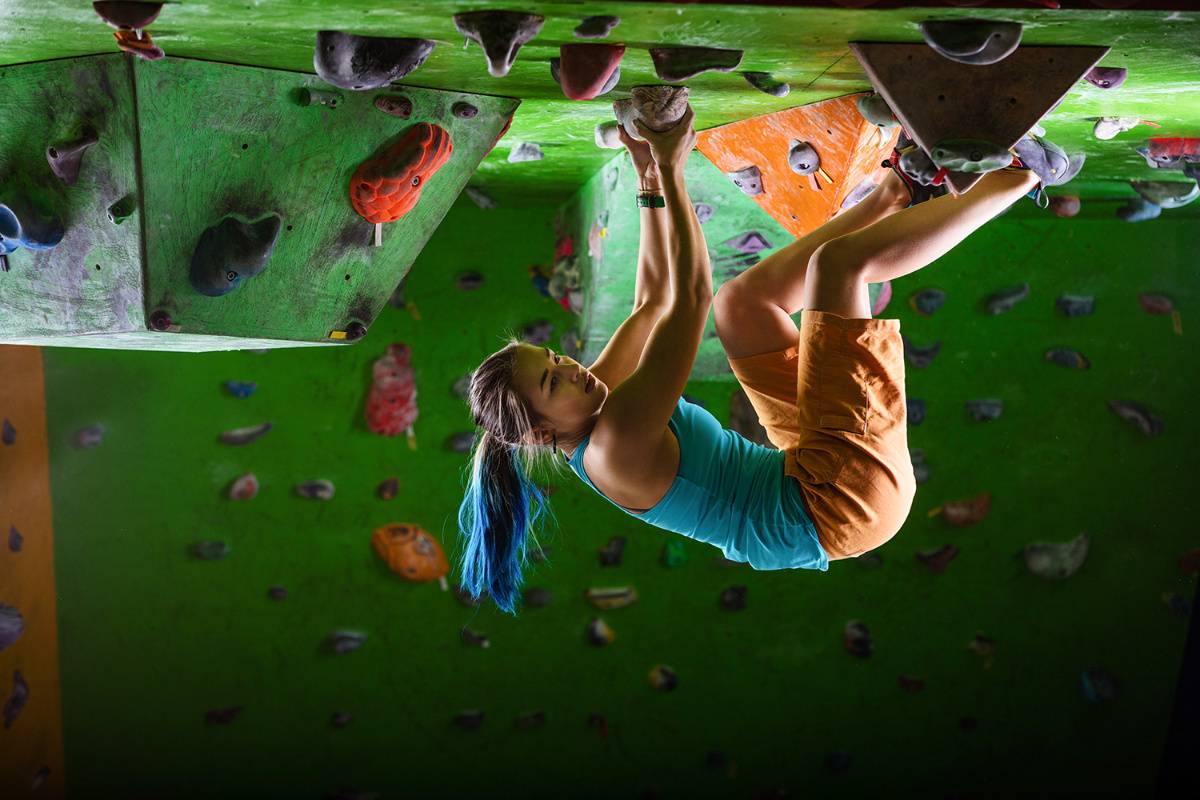
A common mistake many climbers make during a dyno is allowing their hips to drift away from the wall. This often stems from subconscious fear. The ideal dyno requires starting low and driving your hips up to meet your hands, standing tall just before leaving your holds. To monitor your form, I recommend filming your attempts and analyzing the footage frame by frame. This will help you determine if your hips are positioned correctly throughout the movement.
By applying these principles—active flagging, crossbody tension, the FACE technique, and maintaining hips close to the wall—you’ll find that what once seemed like intimidating reaches become much more manageable. Mastering dynamic movements not only enhances your technical repertoire but also injects a sense of style and excitement into your climbing experience.