

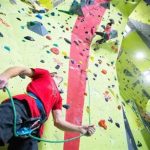
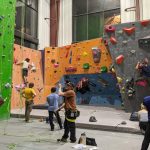
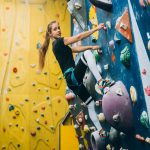
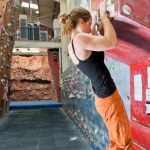

Tubular belay devices revolutionized climbing in 1983—Jeff Lowe credited with the original design—transforming how climbers managed rope and caught falls. Black Diamond’s 1991 ATC (Air Traffic Control) refined the concept into the industry standard: simple, reliable, ubiquitous. Today’s assisted-braking devices—Grigri, Pilot, Smart 2.0—advance safety priorities further. Yet technology never substitutes for skill. Every gym demands belay certification before rope access; this remains non-negotiable.
Critical Disclaimer
This overview supplements rather than replaces hands-on instruction and formal assessment. During belaying, your partner’s life depends entirely on your competence. Mastery requires complete device understanding, supervised technique practice, and genuine confidence before independent operation. Treat this as refresher material, not primary training.
Device Categories and Learning Progression
Hundreds of belay devices exist, each with mechanical nuances. Pedagogical consensus recommends beginning with non-assisted devices—tube-style mechanics develop fundamental feel and consequence awareness. Over-reliance on assisted braking proves dangerous; gear malfunctions or misapplication occurs. Your technique constitutes the primary safety system, with hardware serving as backup rather than substitute.
Rope Mechanics
Two rope strands demand constant attention: the climbing strand ascending to partner and wall; the brake strand descending from device into your hands. Manufacturer diagrams govern proper threading—device hangs cleanly without twist. Tangled rope or inverted devices indicate incorrect setup and unsafe operation. Once properly threaded, clip to harness belay loop via locking carabiner, securing the gate.
Fundamental Protocol
Top-rope belaying demands dominant hand permanently stationed on brake strand, non-dominant hand managing climbing strand for slack elimination. The inviolable rule: brake hand never leaves the rope—during falls, distractions, or heavy load sensations.
PBUS Technique
The standard Pull-Brake-Under-Slide method governs competent belaying:
Pull: Non-dominant hand draws climbing strand downward while dominant hand moves upward, removing slack. Motion stays anterior to body, avoiding overhead extension. Smooth operation manages substantial rope volumes as proficiency develops.
Brake: Dominant hand descends straight to hip position below device—the catch stance where mechanical engagement assists load holding. Dual-hand contact whenever possible maximizes security.
Under: Non-dominant hand relocates to brake strand beneath dominant hand, maintaining small separation gap. Both hands remain below device.
Slide: Dominant hand slides upward toward device first, non-dominant following, both continuously gripping brake strand. Hand position below device persists throughout—control never compromised.
Repeat cyclically as climber ascends, maintaining snug rope contact without excessive tension that disrupts movement.
Lowering Sequence
Both hands firmly grasp brake strand. Gradual rope release through controlled hand position allows device-governed descent speed. Clear communication prepares climber for weight transfer. Smooth lowering continues until ground contact and slack rope confirm completion.
Obsolete Technique: Slip Slap Slide
This legacy method removes slack above rather than below the device. Despite speed advantages, it temporarily opens mechanical engagement and diminishes brake control. Elevated risk prompts gym prohibition and instructor discouragement. PBUS maintains superior safety positioning throughout operation.
Essential Commitments
Formal instruction with qualified teachers remains mandatory. Supervised practice continues until technique solidifies. Gym protocols and device-specific instructions govern all operations. Belaying constitutes serious responsibility—your climber’s physical safety and psychological confidence depend entirely on your attention, communication quality, and technical commitment.