

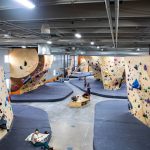
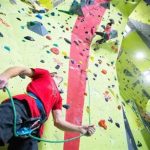
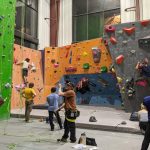
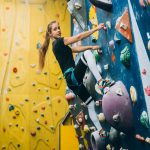

New to climbing and staring at an empty bag wondering what actually matters? While personal preferences vary, certain items separate prepared climbers from those borrowing gear, buying overpriced snacks, or cutting sessions short. First, the critical question: have you permanently dedicated a bag to this sport yet? Once you’ve committed that sacrifice—accepting it will eventually smell faintly of rubber, chalk, and determination—here’s how to fill it properly.
The Non-Negotiables
Climbing shoes top the list. Rentals suffice initially, but ownership transforms the experience—improved sensitivity, consistent fit, and the psychological shift from tourist to practitioner. They will also develop spectacular odor. Combat this with moisture absorbers and strict drying protocols post-session; never seal damp shoes in darkness unless you enjoy fungal science projects.
Chalk and chalk bag follow immediately. Some genetic outliers climb dry-handed; ignore them. Embrace the reality that chalk dust will permeate your clothing, vehicle, and possibly your identity. For boulderers, the list ends here—minimalism is part of the appeal.
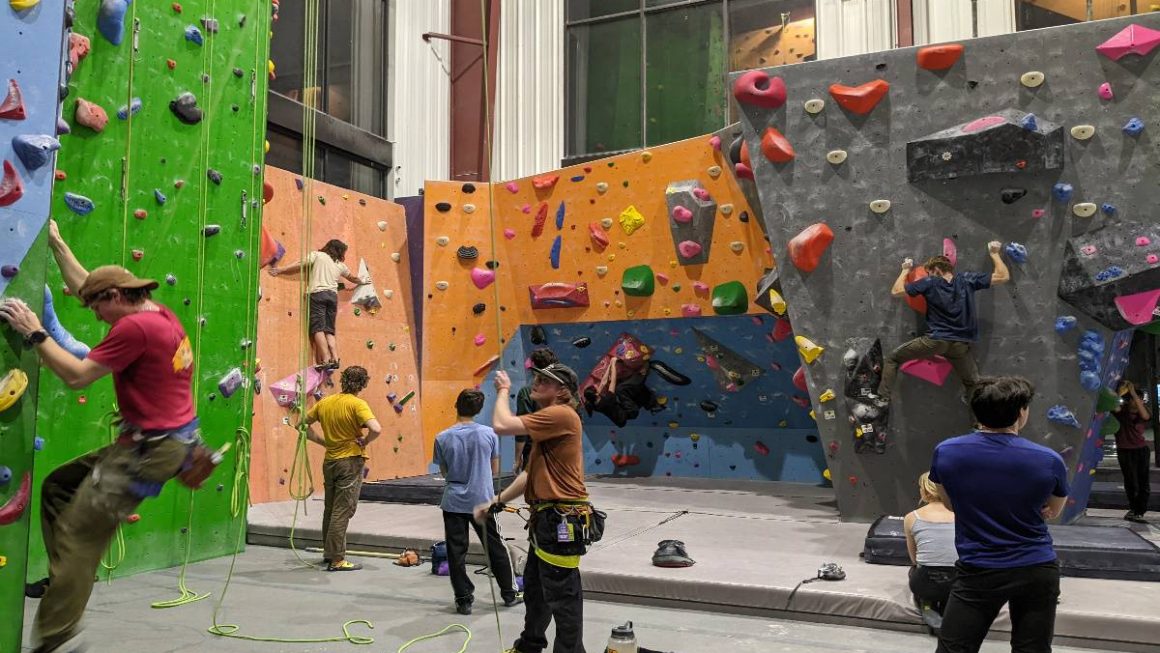
Rope climbers require additional hardware: harness, belay device, locking carabiner, and potentially rope depending on gym policy. These can be rented or borrowed in emergencies, but dependence on others’ memory or generosity creates unnecessary friction. Own your safety.
Personal Maintenance Arsenal
Climbing tape earns its place through skin preservation. “Flappers”—ripped calluses that end sessions prematurely—are preventable casualties. Tape allows temporary continuation when wisdom suggests rest; both applications have merit.
Nail clippers address a specific indignity: long fingernails scraping wall texture produce a sound that damages climber and spectator alike. Some professionals cultivate nail length; most mortals should trim aggressively.
Finger file or sandpaper serves callus management, smoothing rough edges before they tear. Minimal space requirement, maximal skin protection.
Hydration and fuel complete the biological basics. Reusable water bottle, plus energy bars for sustained effort. Gym retail cookies are tempting; budget and nutrition goals determine your weakness here.
Performance Enhancers
Personal brush extends beyond communal gym equipment—essential for high holds on rope routes where long-handled alternatives cannot reach. Attach to chalk bag; forget it exists until necessity strikes.
Resistance bands warm fingers and shoulders when gym supplies are occupied or absent. Optional space commitment depending on facility resources.
Progress tracking divides practitioners: phone apps versus physical notebooks. Neither is superior; consistency matters more than medium.
Headphones create mental space for solo sessions. Hand sanitizer acknowledges that holds are touched by hundreds of hands daily—germ theory applies.
Packing Philosophy
Select bags with compartmentalization—organization prevents forgotten shoes and chalk explosions. Maintain a mental or written checklist until habits solidify.
Mini first-aid kit accelerates minor wound management; gym kits exist but self-sufficiency saves time and social friction.
Post-session, air all equipment thoroughly—shoes, harness, bag itself. Moisture-trapping devices deployed at home prevent mildew colonization and olfactory assault.
Customize this foundation to your specific needs, but respect the cardinal rule: climbing shoes are the one item whose absence renders the entire expedition pointless. Everything else can be improvised, borrowed, or substituted. Barefoot climbing is not a viable alternative.