




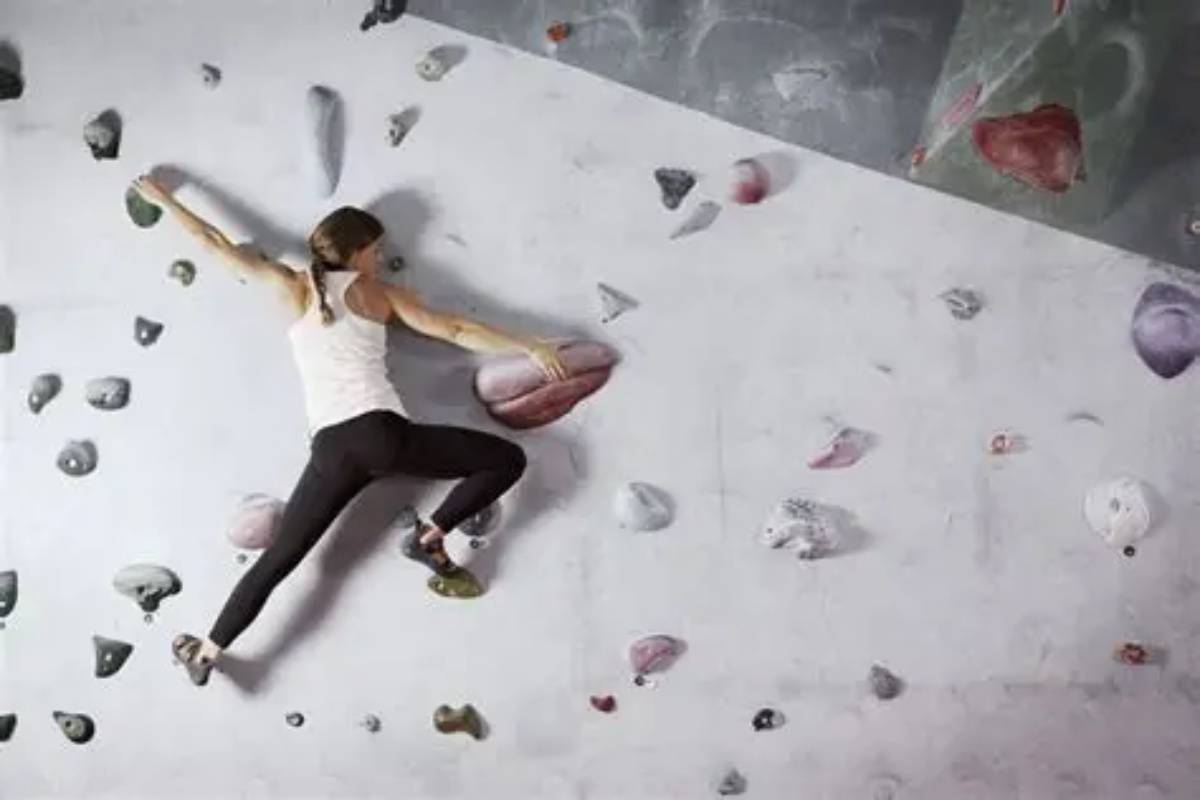
Your first pair of climbing shoes significantly influences your climbing experience. If they’re too tight, you’ll find yourself wincing instead of climbing. Conversely, if they’re too loose, you might question why your feet keep slipping off holds that others stick to confidently.
It’s common to see beginners opt for aggressive, downturned shoes after observing advanced climbers wear them, only to find these shoes abandoned in lockers after a couple of attempts. Others may endure discomfort for months, convinced that their ill-fitting shoes just need a bit more time to break in.
The reality is that there’s no one-size-fits-all solution. What works best varies greatly based on your foot shape, climbing style, and level of experience. A high-performance shoe priced at **$180** won’t perform if it doesn’t fit you properly; conversely, a **$70** shoe that fits well will always outperform a poorly fitting one.
Understanding Climbing Shoe Fit
Fit is the most critical aspect of selecting climbing shoes. It outweighs the brand, price, and special features combined. A snug fit is essential, with your toes slightly curled against the front of the shoe. The fit should feel tight all around but not painfully so. Your foot will be in a position it’s unaccustomed to, necessitating some time to adapt. The ideal scenario is a snug fit without dead space in the heel, allowing the shoe to move in synchronization with your foot.
Many first-time buyers overlook the fact that climbing shoes do stretch, particularly leather varieties. A shoe that feels marginally tight today may fit perfectly after **5-10** climbing sessions, while one that initially feels comfortable could become loose soon after.
How Tight Should Climbing Shoes Be?
The required tightness largely depends on your climbing activities. For gym workouts and longer routes, prioritize comfort. You want a shoe that allows you to climb for an entire session without pain; a slight toe curl is acceptable, but intense discomfort is not. Most beginners should focus on comfort over performance at this stage.
Conversely, advanced climbers often size down aggressively for hard bouldering or steep sport climbing, opting for shoes **2-3 sizes smaller** than their street shoes, which leads to significant toe curling. While this creates precision for small holds and overhangs, it can be uncomfortable and should be avoided by beginners.
Identifying Common Fit Issues
Recognizing fit problems is crucial. If you feel dead space in the heel or if your heel lifts when you weight the toe, the shoe may be too large or not suited to your foot shape. Pressure points on your toes indicate that the toe box shape does not align with your foot; this is especially crucial for those with wider feet or bunions. Moderate pressure is fine, but sharp pain signals a sizing issue.
If you experience persistent arch pain, it may be due to overly stiff shoes or sizing down too much. If this sensation continues through several sessions, consider trying a softer shoe or sizing up slightly.
Types of Climbing Shoes Explained
Climbing shoes fall into three primary categories, each designed for different skill levels and types of climbing:
Neutral Shoes (Best for Beginners): Featuring a flat profile that keeps your toes in a natural position, these prioritize comfort. They’re ideal for beginners who are still learning technique and foot strength, allowing for hours of wear without the need for breaks. While they are less effective on steep or tiny holds, they more than suffice during the initial stages of climbing.
Moderate Shoes (Versatile Middle Ground): With a slight downturn, moderate shoes offer a comfortable fit while enhancing your power transfer. Most intermediate climbers favor this type, as they effectively tackle a range of climbing styles. Although they are less comfortable than neutral shoes, they perform well in most climbing situations, making them an excellent choice for those climbing a few times per week.
Aggressive Shoes (For Advanced Climbers):These feature a pronounced downturn and significant asymmetry, positioning your foot for maximum power on smaller holds. While they are excellent for experienced climbers tackling difficult routes, they can also be uncomfortable and are not advisable for beginners who lack the necessary strength and technique.
Closure Systems: Laces, Velcro, and Slip-Ons
The closure type affects both fit customization and overall convenience.
Lace-Up Shoes: Offering maximum adjustability, lace-ups allow you to tighten specific areas, making them suitable for extended wear on climbing days. However, lacing can be time-consuming, so they’re less practical for frequent transitions, like bouldering.
Velcro Shoes: Popular among gym climbers, velcro provides quicker transitions and sufficient fit for most climbers. They may not offer the same level of customization as laces but are generally suitable for various climbing situations.
Slip-On Shoes: These remove the closure system entirely, offering maximum sensitivity but necessitating precise sizing. While they excel for experienced climbers on challenging routes, they can be too finicky and uncomfortable for beginners.
Material Choices: Leather vs. Synthetic
The choice of material influences the shoe’s stretch, durability, and odor after use.
Leather Shoes: These stretch significantly, creating a custom fit during the break-in period. However, they can absorb moisture, losing shape in damp environments. They generally offer better breathability and less odor compared to synthetics.
Synthetic Shoes: Typically made from microfiber, these stretch minimally but maintain their fit over time. Synthetics excel in wet conditions and are easier to size correctly. However, they may not offer the same level of comfort and molding as leather.
Understanding Climbing Shoe Sizing
Sizing for climbing shoes isn’t uniform across brands. A **42** in one brand may fit like a **43** in another. Typically, climbers size down 1-2 sizes for neutral shoes and 2-3 sizes for aggressive designs. That said, trying them on is the best approach, as individual brands vary significantly in sizing. Reading reviews can assist in making informed choices if you’re purchasing online.
Selecting the right climbing shoe can significantly impact your climbing experience. Prioritize fit above all, and choose a shoe that matches your climbing style and goals. This thoughtful approach will lead to a more enjoyable climbing journey.