

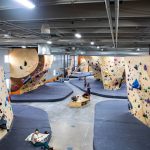
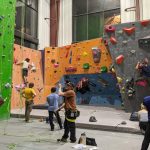
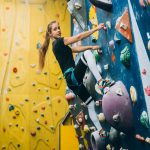
On May 5, 2025, Touchstone Climbing unveiled Hyperion, its 18th facility, in Redwood City, California, strategically located between San Francisco and San Jose. This mixed-discipline climbing gym will expand its offerings with roped climbing amenities slated for completion by 2026, just months before Touchstone celebrates its 30th anniversary. Founders Debra and Mark Melvin first launched their climbing endeavor with Mission Cliffs in 1995, initially envisioning just one or two gyms. Since then, Touchstone has grown to encompass locations throughout California, including areas like San Francisco, San Jose, Sacramento, Los Angeles, and Fresno.
Heather Bellgreen, Touchstone’s Marketing Director, emphasized that the process of opening a new gym requires careful planning and can take years from conception to launch. Luckily, with over three decades of experience, Touchstone has developed robust metrics to evaluate demand, accessibility, and market trends. “There’s always risk involved, but we view the climbing industry as one with significant growth potential,” she noted.
The decision to establish a gym in Redwood City came after identifying it as an underserved area in the South Bay. Bellgreen expressed excitement about the Hyperion location, which is not only beautiful, but also ideally situated near Hoover Park, perfect for those seeking outdoor activities. Touchstone took advantage of a pre-existing building that fit their needs regarding height, location, parking, and aesthetic appeal. They value the opportunity to repurpose older structures, transforming spaces that have fallen out of use into vibrant climbing facilities full of character and charm.
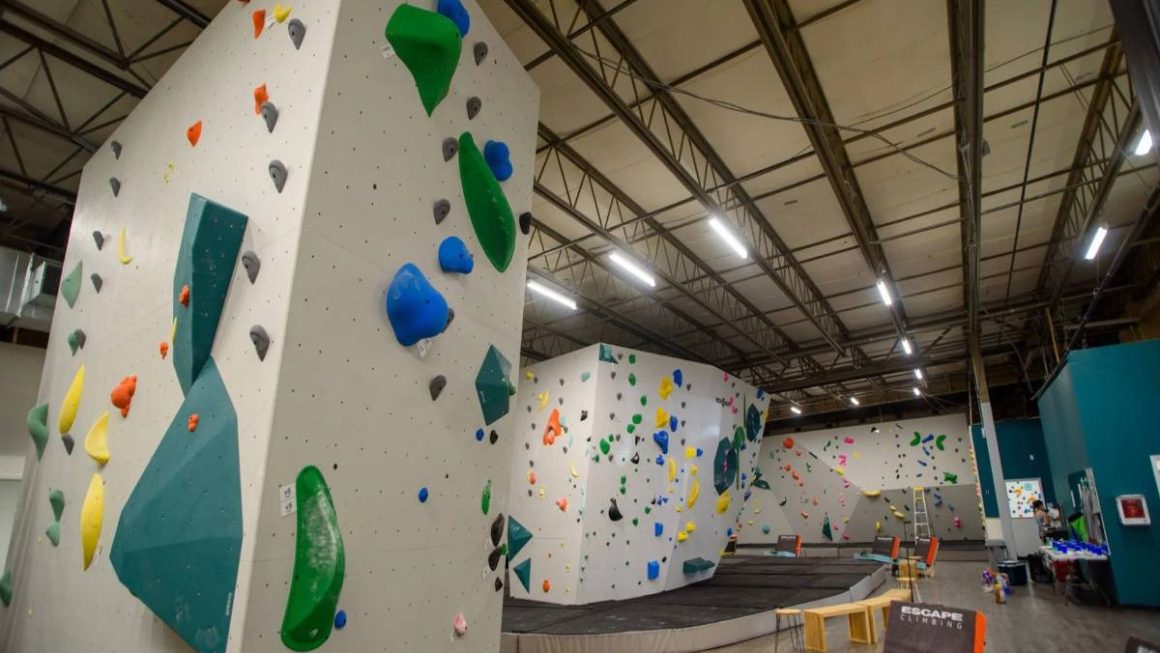
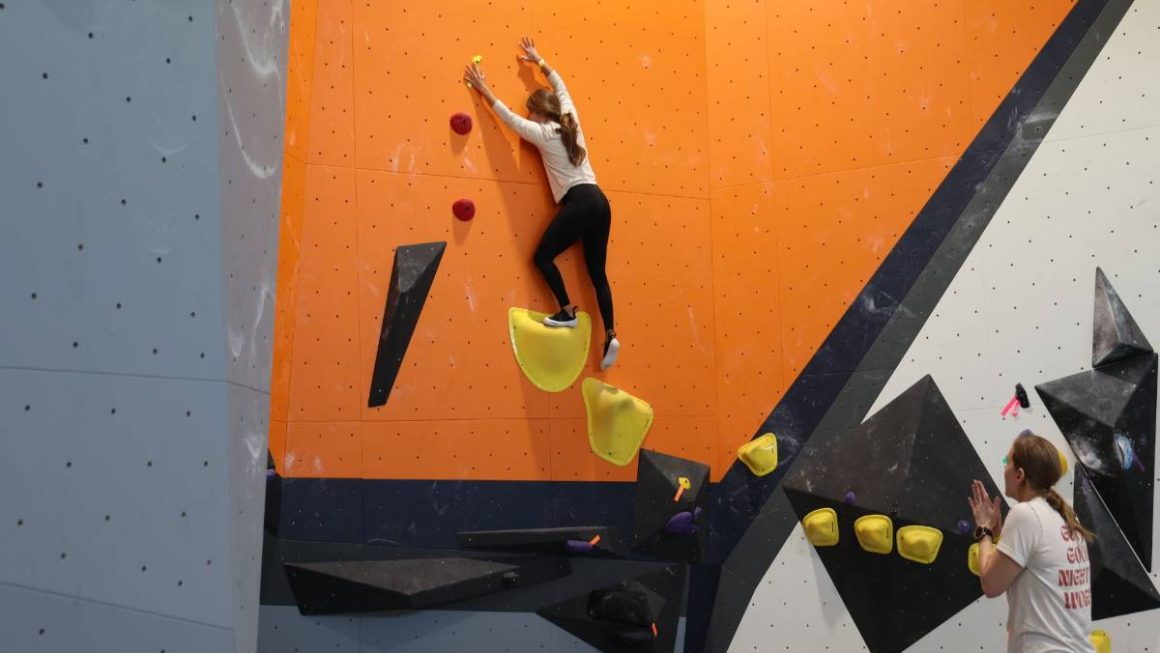
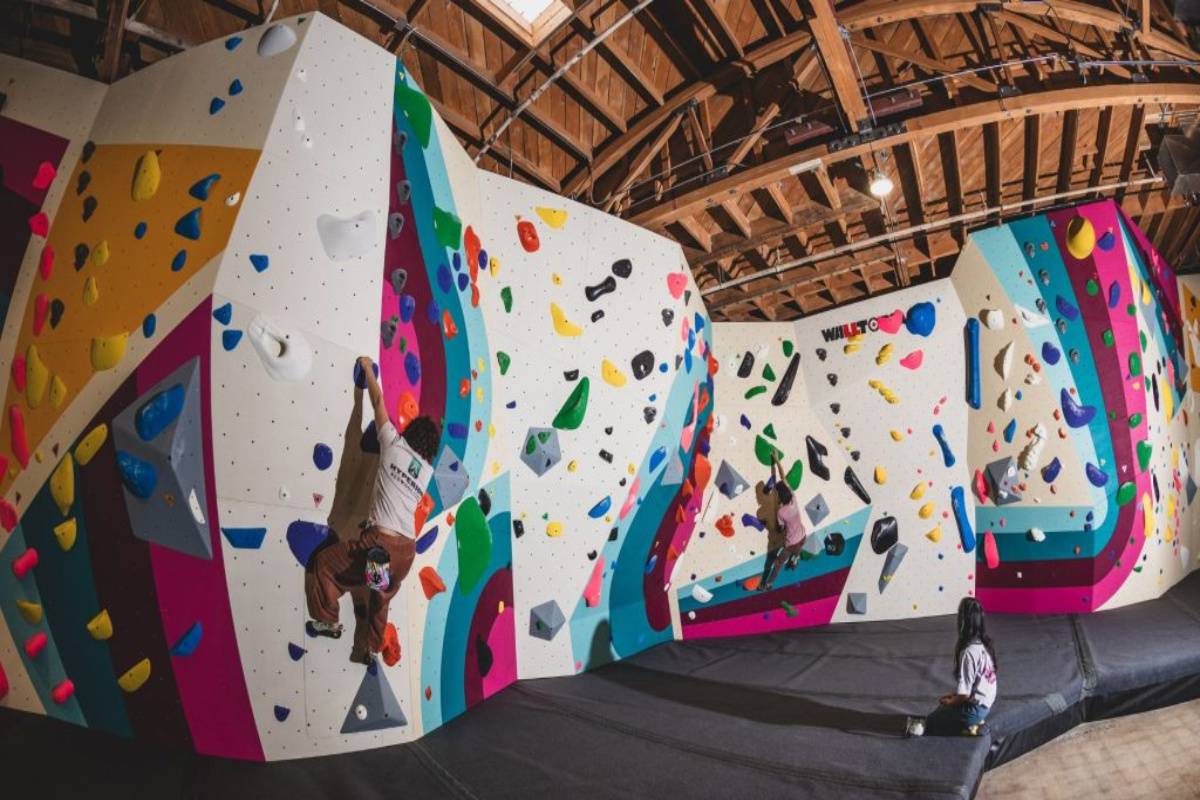
Constructing Hyperion involved navigating unforeseen challenges, but overall, the process was relatively smooth. The gym currently features 10,700 square feet of bouldering walls reaching 16 feet, alongside a Tension Board 2, a 2024 Moon Board, and a Touchstone Board, which offers a user-friendly introduction to board climbing with interactive features. Once fully completed, Hyperion will boast 16,000 square feet of roped climbing surface on 40-foot walls, with an additional 10-meter speed wall. Future plans also include fitness and yoga amenities, cardio and weight equipment, hangboards, campus boards, and a pro shop.
For operators interested in expanding their gym initiatives, Bellgreen advises a strategic approach, noting that today’s market is different from just five or ten years ago due to increased saturation and competition. While competition can be beneficial for climbers, it complicates the business landscape. She stresses the importance of thoroughly investigating questions related to local businesses, accessibility, visibility, and the socioeconomic landscape of potential gym locations. Understanding these dynamics can inform better decision-making, preventing risks associated with rushing into a seemingly attractive space simply because it has impressive height or historical significance. Taking the time to conduct careful research and analysis is vital for ensuring the long-term success of a new climbing gym.