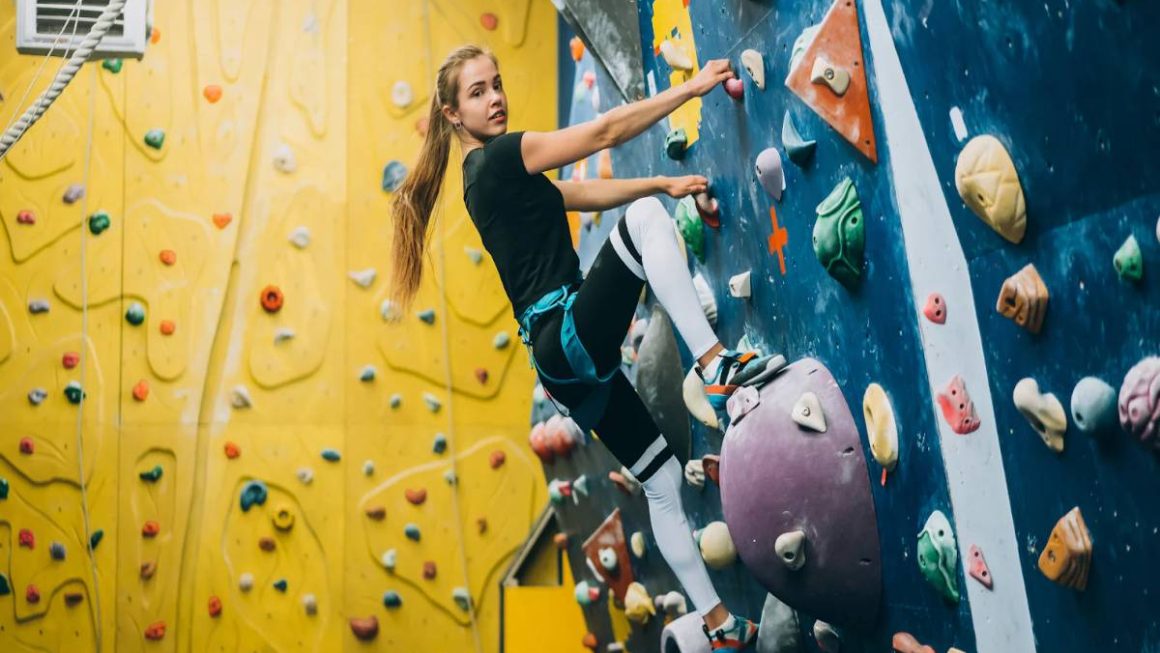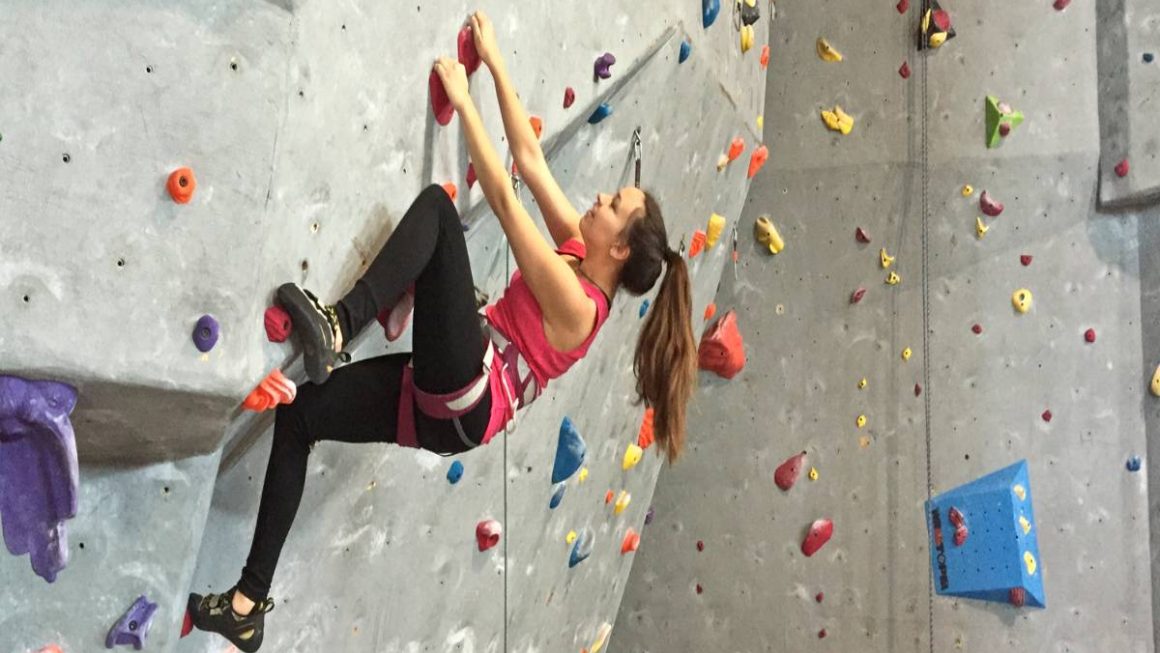


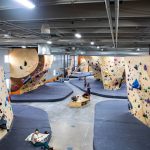
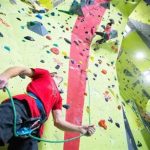
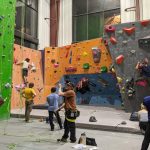
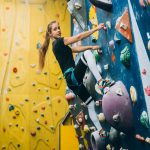

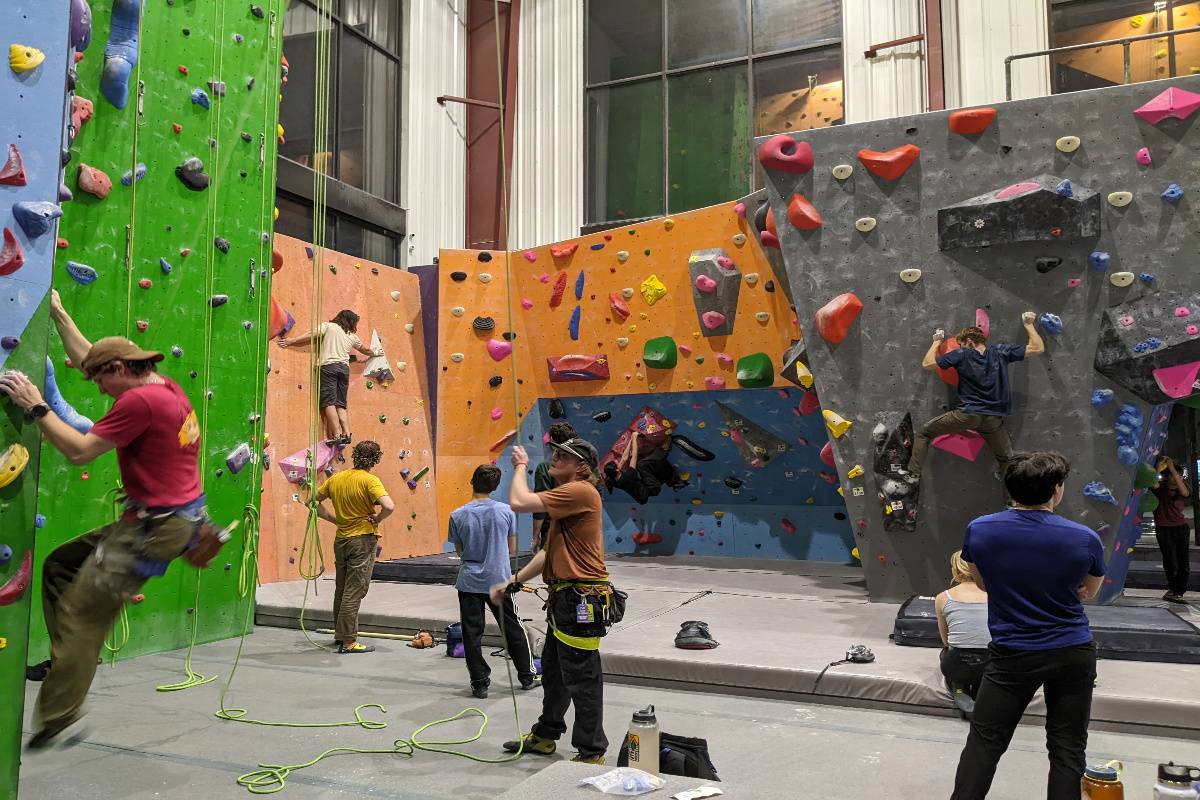
Walk into a modern climbing gym and the first impression can be overwhelming. Some walls stop at shoulder-height with thick padding underneath. Others rise fifty feet toward the ceiling with ropes hanging down. In another corner, you might see identical hold patterns with timers mounted at the top. At first glance they all look like “climbing walls,” but they serve very different purposes. Knowing what each type is designed for helps you choose the right gym, the right training style, and the right starting point. Most indoor facilities revolve around five main wall categories: bouldering walls, top-rope routes, lead climbing walls, speed climbing walls, and training boards.
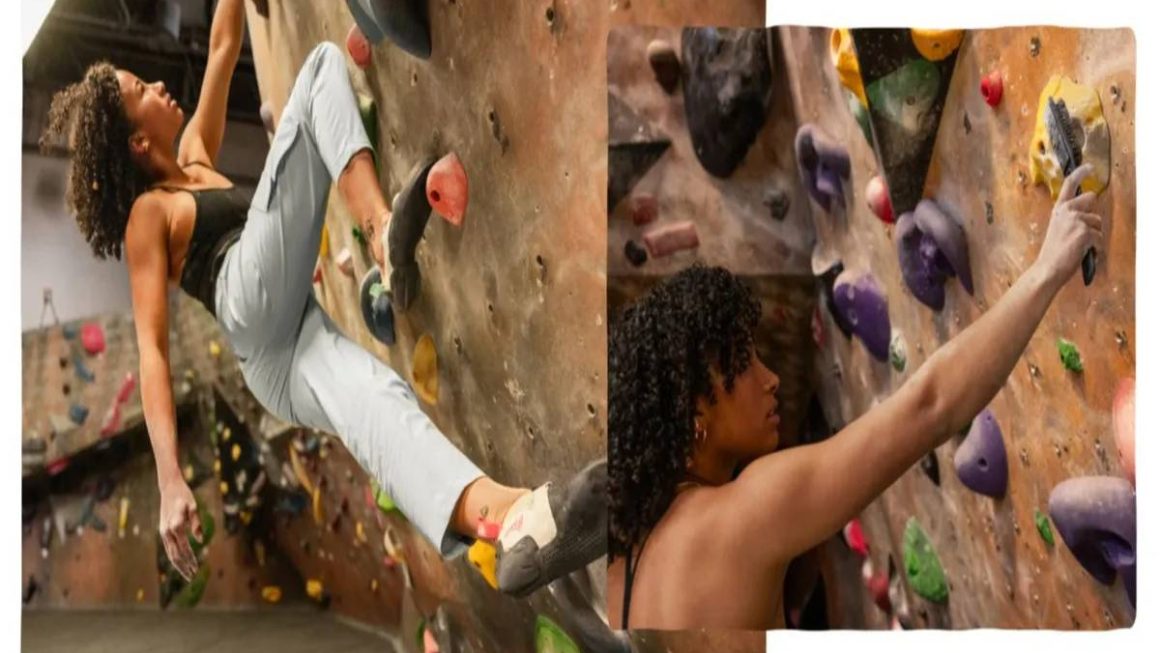
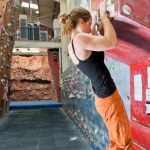
Bouldering walls are the entry point for many climbers. These walls are typically around 12–17 feet tall and use thick crash pads instead of ropes or harnesses. Climbers work on short sequences called “problems,” usually only a handful of moves long, which encourages repeated attempts and experimentation. The appeal is simplicity: rent shoes, chalk up, and start climbing. No partner, no rope management, and almost no barrier to entry. Despite the modest height, the wall angles vary widely—slabs that lean away from you emphasize balance and technique, vertical walls offer the most straightforward movement, and steep overhangs or roof sections demand serious core strength. Because bouldering is social and flexible, many gyms dedicate nearly half their floor space to it. You’ll also often find training boards here, such as the MoonBoard, Kilter Board, and Tension Board, which use standardized hold layouts and LED systems so climbers can attempt the same problems worldwide.
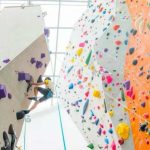
Top-rope climbing walls introduce height and rope systems. These walls often range from thirty to sixty feet tall, with ropes already anchored at the top. The climber ties into one end while a partner on the ground manages the other end as the belayer. As the climber moves upward, the belayer removes slack so that any fall results in only a short drop before the rope catches. This system makes top-roping one of the safest forms of roped climbing and an ideal step after bouldering. Because the rope always runs through an anchor above you, the mental stress of falling is minimal, allowing beginners to focus on movement and endurance. Routes are typically graded using the Yosemite Decimal System, where easier climbs start around 5.5 and more advanced routes move into the 5.11–5.12 range and beyond. Unlike bouldering, these climbs can keep you on the wall for several minutes, building stamina rather than short bursts of power.
Lead climbing walls look similar to top-rope walls but operate very differently. Instead of a rope running to the top anchor from the start, the climber carries the rope upward and clips it into protection points—usually quickdraws attached to bolts—every few meters. This means the rope is below the climber as they move upward, and falling before clipping the next point can result in a longer drop. The falls are controlled and expected, but they feel dramatically different from top-rope falls, which is why lead climbing introduces a significant mental component. Climbers must manage fear, fatigue, and timing while deciding when to clip the rope or continue climbing. Because the technique requires additional skills, gyms usually require a separate certification to lead climb or lead belay. For climbers planning to climb outdoors, however, learning lead techniques is essential.
A much more specialized category is the speed climbing wall. These are standardized structures used in official competitions, measuring exactly fifteen meters tall with a slight overhang and an identical hold layout everywhere in the world. The format is governed by the International Federation of Sport Climbing, and the discipline gained global attention after appearing in the 2020 Summer Olympics. Speed climbers race up the wall against the clock or against an opponent on a parallel lane, often reaching the top in under six seconds. Unlike traditional climbing, where each route presents a new puzzle, speed climbing focuses on explosive movement and perfect memorization of a single route. Only some gyms include dedicated speed walls, but for athletes who enjoy measurable performance—improving from twelve seconds to ten seconds, for example—they offer a unique training environment.
Finally, many gyms include spray walls or training boards, which are less about routes and more about skill development. Spray walls are covered with a dense collection of holds and usually have no marked routes at all. Climbers invent their own sequences or train specific movements repeatedly. Training boards push this concept further by using standardized hold placements connected to mobile apps that light up problems through LED systems. Boards like the MoonBoard or Tension Board are famous for their difficulty and are often used by experienced climbers targeting specific weaknesses such as finger strength or body tension on steep terrain. These areas rarely appeal to beginners, but they become valuable tools once climbers reach a plateau and need more focused training.
Understanding these wall types makes the layout of a climbing gym far less confusing. Bouldering areas encourage social sessions and powerful movement, top-rope walls build endurance and confidence with height, lead walls introduce real risk management and advanced technique, speed walls emphasize pure athletic performance, and training boards offer targeted strength development. The best gym for you depends less on flashy features and more on which of these environments matches your goals as a climber.